Therapy Options Explained
Any individual can benefit from active rehab, which is using an evidence-based exercise and treatment program for muscle injuries. Active rehab is designed to improved your level of function, whatever it may currently be.
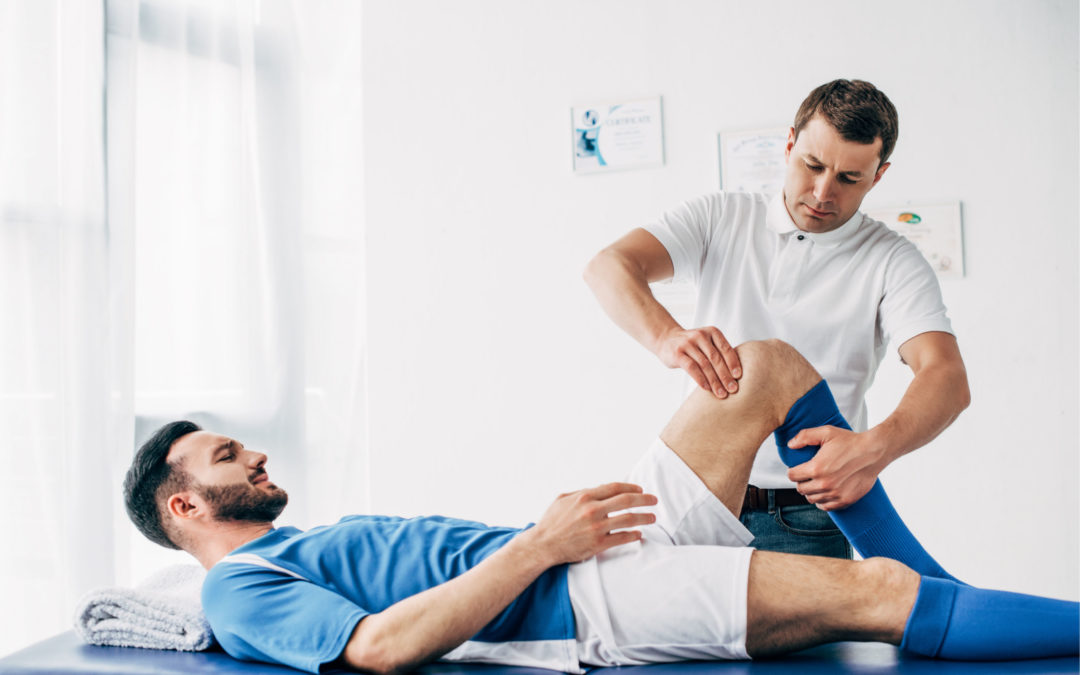
You should go through a thorough active rehab assessment with a professional to get the best help. During this examination, experts review your medical history, look for movement dysfunction, muscular imbalances, and any other core deficiencies.
Active rehab can relieve pain, preventing re-injury or further injury, and increases the total physical and functional capacity of your body. Exercise programs undertaken in active rehab help the person to return to regular activities without difficulty.
You should go to a professional with experience in active rehab, such as a physiotherapist or chiropractor, who is trained in the movement and function of the human body.
The main aim of active rehab is to regain and improve normal body mobility and function and reduce the patient’s need for pain medication. Active rehab examines and treats each patient individually, and a plan is designed to suit the unique needs of every patient.
Active rehab benefits include the following:
* Improving motion and mobility
* Avoiding medical drugs and surgery
* Lessening recovery time after accident, surgery, disease, or medical condition
* Reducing pain
* Improving movement, balance, and flexibility
* Building strength
* Promoting healing
* Preventing disability and injury
* Enhancing overall performance and fitness
* Helping through education to attain patient mobility aims
All of your physical needs should be handled by a skilled and experienced professional to avoid further complication. We welcome you to come and see us at the Newleaf Wellness Centre if you are interested in pursuing active rehab.
Newleaf Wellness offers a variety of therapies including physiotherapy, chiropractic, naturopathic, and massage therapy in a warm and compassionate environment in our Abbotsford location. If you have any questions about this article or would like to make an appointment, please contact us.
Healthy Habits & Lifestyle
Foam Rolling: Are You Doing It Right?
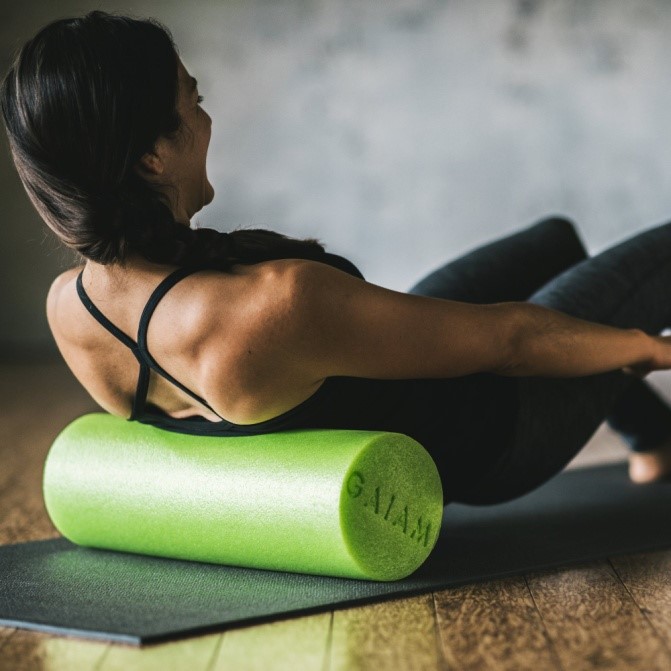
Everyone’s heard of foam rolling—but how many people are doing it correctly? I won’t claim to be an expert, but even a little research reveals a flood of opinions on how to release those stubborn trigger points. Here’s a list of practical tips to help make your foam rolling more effective.
Roll Slowly for Better Results
Just like stretching, foam rolling works best when done slowly. If you roll too fast, your muscles and tendons activate a protective reflex. This reflex causes them to contract, which prevents the muscle from relaxing.
Pause on Knots to Release Tension
When you hit a knot, pause for 15–20 seconds. Trigger points need time to release. Combine the pause with gentle muscle contractions and a few deep breaths to speed up the process.
Roll Above and Below the Pain Point
Fascia connects everything in the body. Rolling above and below the target area helps release hidden tension. Pain often travels through the fascial web, so the spot that hurts might not be the true source. Cover a wider area to ensure full relief.
Avoid Rolling Directly on Injured Areas
Rolling over a bruise or injury can increase inflammation and pain. Instead, use a lighter roll near the injury—closer to the heart or core. This technique helps flush the area and brings in fresh blood to support healing.
Choose the Right Tool for the Job
Different rollers work better for different areas. For example, a standard 3–4 inch foam roller won’t reach deep hip muscles effectively. Try using a tennis or lacrosse ball to target those hard-to-reach spots around the pelvic girdle.
Blog Written by Jason Togeretz RMT
Injury Rehab and Prevention
Tis the season for Running injuries! The past few weeks I have been treating many running injuries, whether you’re running by yourself or with a running clinic, injuries are bound to happen to both new and experienced runners. I want to help teach you how to avoid running injuries, so you can continue to train for your race! and learn a little about a technique I use called Graston Technique to help keep you on the road!
WHY DO RUNNERS GET INJURED?
- Improper Footwear
- get an expert to fit you based on your foot position & gait
- Improper Training
- ramping up speed too quickly
- Improper Recovery
- you need time to heal from micro trauma
- Improper Mechanics
- joints fixations can cause kinetic chain dysfunction, *see a chiropractor
COMMON MISTAKES THAT LEAD TO COMMON INJURIES
This happens to almost everyone so be ahead of the pack and stay in tune with your body.
- Don’t ignore pain! Discuss a break, intervention or discontinue to run.
- Buy the correct Footwear
- Train Smart – gradually increase your mileage ie 10%
- Prevention – Crosstrain with cycling, swimming, weight training.
 WHAT IS GRASTON TECHNIQUE?
Graston Technique® is an innovative, patented form of instrument-assisted soft tissue mobilization (ISTM) that enables clinicians to effectively break down scar tissue and fascial restrictions.
The technique utilizes specially designed stainless steel instruments to specifically detect and effectively treat areas exhibiting soft tissue fibrosis or chronic inflammation caused from trauma and repetitive injuries.
Certified clinicians use GT on many running injuries, including Plantar Faciiatis, ITB & Achilles Tendonitis are some of the conditions treated by GT.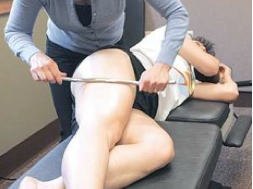
www.grastontechnique.com
Originally developed by athletes, Graston Technique® is an interdisciplinary treatment used by more than 13,000 certified clinicians worldwide.
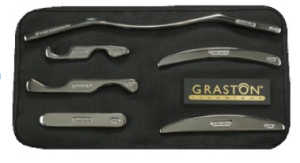
At New Leaf Wellness Centre we have 2 trained Chiropractors who use the Graston Technique.
RUNNING HEALTH TIPS
- run on soft trails if problems arise
- ice immediately for injury – no heat!
- stretch and follow-up with a foam roller
- more injuries with fatigue, so take a break if you need to
- start & end with a warm-up & cool down
- stay hydrated – urine colour should be pale yellow
- diet – lean & green foods, enhance your performance by healthy options; whole grains, fish, vegetables
- supplements – see your chiropractor
- replenish fuels – electrolytes, water
- breath! – encourage diaphragm breathing get training by your chiropractor this avoids stitches and cramping
WHEN TO VISIT A CHIROPRACTOR?
Most athletes have come to recognize chiropractic are as not only an excellent injury prevention and treatment option, but also as a method for keeping in optimal form and for enhancing performance. Get a chiropractic adjustment! Spinal health is critical to optimal wellness & the proper functioning of every organ in the body!
| Common Running Injuries |
| ITB Syndrome |
*pain on the outside of the kneeCause: misaligned pelvisTreatment: rest, ice, decrease hill running, stretch, massage, Graston, ART; severe assess mechanics |
| Patellar Tendonitis |
*pain on knee tendonCause: explosive quad contractions in running/jumping, tight quads, lack of recovery, tracking problem, muscle imbalances, overpronationTreatment: ice, rest, stretch muscles, break from hill work, tracking correction |
| Plantar Fasciitis |
*pain on the bottom of the heal mainly in the morningsCause: fallen arches, overpronation, increase distance too quickly, tight calf muscles, improper footwearTreatment: rest, ice, calf stretches, change shoe wear, night splint, orthotics, Graston, ART |
| Achilles Tendonitis |
*pain in the achilles tendon with running, eases with rest; tender to touchCause: increased running, lack of mobility in ankles, tight calf muscles, hill running, high heel useTreatment: rest, ice, stretch, proper footwear, biomechanical evaluation with chiropractor |
| Shin Splints/*Anterior Compartment Syndrome |
*pain on the bony part of the leg/ micro muscle tear & increased pressure inside compartment, cause tingling in toes – *seriousCause: over-striding, over-pronation, improper footwear, muscle pulls on the bone, hill running, poor mechanicsTreatment: rest, ice, avoid heavy heel strike, forefoot running, cushion, Graston, ART; *see chiropractor |
| SI Joint Pain |
*pain in the low back near the gluts radiates pain into gluts/groinCause: pelvis misalignment, tight hamstring, prolonged sittingTreatment: stretch, chiropractor correction with adjustment, rehabilitation & strengthening |
| Stress Fracture |
*bone pain in the leg or footCause: repetative strain not from a single trauma, increased training, poor mechanics, usually a new runnerTreatment: complete rest. gradual return to run, cushioning footwear |
| Morton’s Neuroma |
*forefoot pain or tingling sensation into toes |
Blog by: Dr. Roop Dhesi, DC