Therapy Options Explained
Chiropractic care has been a source of both relief and skepticism for many seeking solutions to their back pain. However, misconceptions often cloud the actual benefits of this health practice. If you’re curious about chiropractic treatment or are considering it as a solution for your back pain, it’s essential to separate fact from fiction.

What is Chiropractic Care?
Before we tackle the myths, let’s clarify what chiropractic care involves. Chiropractors focus on diagnosing and treating mechanical disorders of the musculoskeletal system, especially the spine. Through manual adjustment or manipulation, they aim to improve spinal function and alleviate stress on the body’s systems, enhancing overall health.
Common Myths
Myth 1: Chiropractors Aren’t Real Doctors
One of the most prevalent misconceptions is that chiropractors aren’t legitimate healthcare providers. In truth, chiropractors undergo extensive education and training, similar to medical doctors. They earn a Doctor of Chiropractic (DC) degree, which requires at least four years of advanced study, including clinical training.

Myth 2: Chiropractic Care Is Only for Back Pain
While chiropractors are well-known for addressing back pain, their expertise extends far beyond. They can treat conditions such as neck pain, headaches, and musculoskeletal disorders and offer advice on nutrition and lifestyle changes to improve overall health.
Myth 3: Adjustments Are Dangerous
Another common myth is that adjustments can be harmful. When performed by a licensed chiropractor, these treatments are safe and effective. Chiropractors get extensive training and education on minimizing discomfort while maximizing relief.

Myth 4: Once You Start, You Have to Keep Going Forever
Many people believe that you must continue chiropractic treatment indefinitely once you begin. While some may benefit from ongoing care, many patients find substantial relief after a short series of treatments. Your chiropractor will work with you to design a personalized care plan based on your needs and goals.
Myth 5: Chiropractic Care Isn’t Supported by Science
Some skeptics argue that chiropractic lacks scientific backing. However, numerous studies have demonstrated its effectiveness in treating back pain and other conditions. Research shows that it can significantly reduce pain and improve function, offering a valid alternative or complement to traditional medical interventions.

The Benefits of Chiropractic Care
Understanding the benefits of chiropractic care can help dispel these myths:
- Back Pain Relief: Adjustments can reduce pain and improve mobility for chronic back issues.
- Non-Invasive: Unlike surgical options, chiropractic treatments are non-invasive, minimizing recovery time and risk.
- Whole-Body Wellness: Chiropractors often take a holistic approach, addressing lifestyle factors and recommending exercises to support long-term health.
Is Chiropractic Care Right for You?
Chiropractic care might be worth considering if you’re struggling with back pain or other musculoskeletal issues. It’s advisable to consult with a qualified chiropractor who can assess your condition and provide a tailored treatment plan. Remember, informed decisions about your health should be based on facts, not myths.
For those curious about the potential benefits of seeing a chiropractor, taking the first step towards consultation can be a game-changer in your health journey. Whether you’re a health enthusiast or someone dealing with persistent pain, understanding the truths behind chiropractic care can open doors to improved well-being.
Pain Relief and Physical Health
Patients want to get better faster, but they often find themselves waiting for treatments to work their magic. The reality is that effective healthcare requires active participation. This partnership between practitioners and patients is crucial for achieving the best outcomes, and this is where understanding and adhering to the Patients’ Charter of Rights and Responsibilities becomes essential in your path to getting better faster.

Patients’ Charter : A Key to Get Better Faster
The Patients’ Charter is a documented agreement that outlines the rights and responsibilities of patients within the healthcare system. It fosters a partnership of care, ensuring everyone involved understands their roles. By adhering to this charter, patients can significantly enhance their treatment experience and outcomes, ultimately helping them get better faster.
Rights of Patients
Before discussing responsibilities, let’s acknowledge patients’ rights, which protect them and ensure that practitioners deliver care with dignity and respect. These rights empower you to advocate for yourself within the healthcare system, facilitating a faster recovery:
- Right to Informed Consent: Ensures you receive complete and understandable information about your treatment options, enabling you to make informed decisions.
- Right to Privacy and Confidentiality: Protects your personal health information, ensuring it’s only disclosed with your consent or as required by law.
- Right to Respect and Dignity: Entitles you to respectful and considerate care, regardless of your background or condition.

Patient Responsibilities for Getting Better Faster
Effective healthcare is a two-way street. To get better faster, you must engage actively with your healthcare providers. Here are your essential responsibilities:
- Cooperative Commitment to Your Treatment Plan: A successful healthcare experience requires a genuine commitment to the treatment plan outlined by your provider:
- Compliance with Office Policies and Procedures: Adhere to the healthcare facility’s guidelines, including appointment schedules and payment of fees.
- Honest Disclosure of Health Information: Provide accurate and complete information about your health history, current symptoms, and medications or supplements you take.
- Active Participation in Your Recovery: Your recovery is not passive. To optimize results and get better faster, you must:
- Follow Home Exercises and Medication Regimens: Compliance with prescribed exercises, medications, and supplements is critical to your treatment and recovery.
- Provide Constructive Feedback: Share honest feedback about your treatment experience to help healthcare providers tailor their care to suit your needs better.
- Respect for the Healthcare Environment: Maintain a respectful attitude towards the office environment, staff, and fellow patients, creating a positive atmosphere conducive to healing.
- Keep Your Contact Information Up-to-Date: Ensure your healthcare provider has your contact information to facilitate communication and scheduling.

The Equal Role of Practitioners and Patients
Remember, treatment is a collaborative effort. Both you and your practitioner have equal roles in your recovery and rehabilitation. While healthcare professionals provide expertise and guidance, they cannot “make you well” alone. You must actively participate in your health and well-being to get better faster.
Conclusion
A successful healthcare experience is built on mutual understanding and cooperation between patients and practitioners. By recognizing your rights and fulfilling your responsibilities outlined in the Patients’ Charter, you can become an empowered partner in your care, ultimately getting better faster.
For more guidance on actively participating in your treatment plan, or if you have any questions about your rights and responsibilities, please get in touch with us or book an appointment with our Patient Care Coordinator today. Together, we can achieve the best possible outcomes through a strong partnership of care.
Written by: DeVera Nybo, MBA, Owner Newleaf Total Wellness Centre
Therapy Options Explained
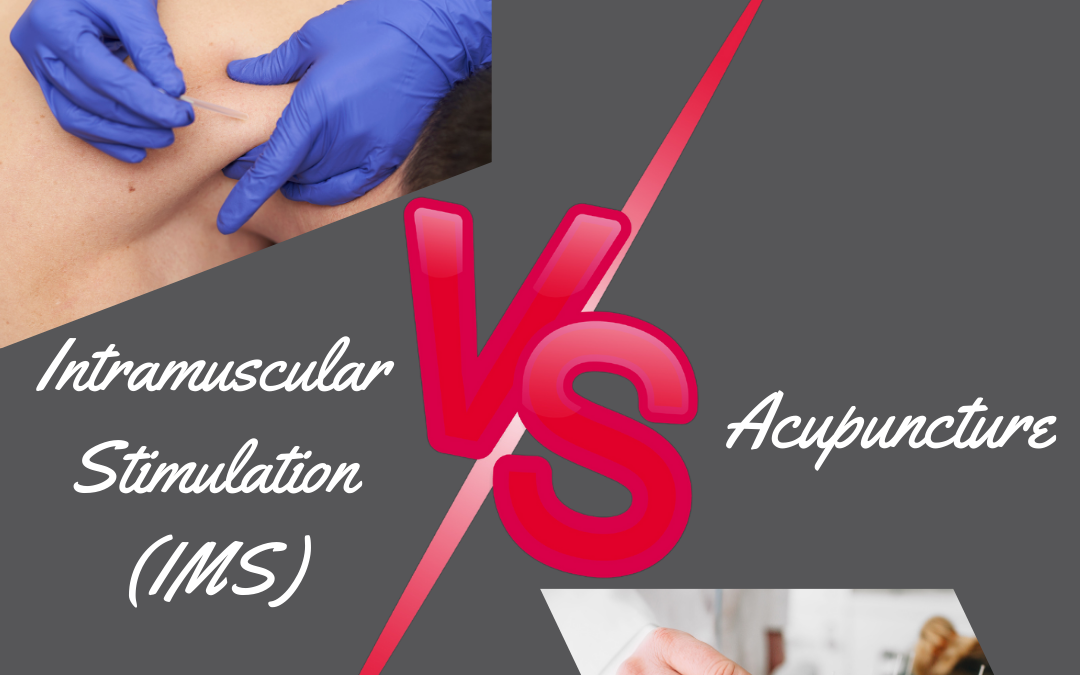
Intramuscular stimulation (IMS or Dry Needling) and acupuncture stand out as prominent therapies for pain and musculoskeletal conditions in alternative medicine. Both involve the insertion of needles, yet they stem from entirely different philosophies and target conditions. Whether you’re a health enthusiast or someone exploring alternative treatments, understanding the nuances between IMS and acupuncture can guide your wellness choices more effectively.
Comparison of Treatment Techniques
IMS and acupuncture might appear similar at first—both use needles, after all—but the similarities end there. IMS is a treatment grounded in Western medical science, focusing on diagnosing and alleviating neuropathic muscle pain. It involves inserting needles into tight muscle bands or trigger points causing pain. There’s no traditional philosophy guiding the process; instead, it’s all about the physical release of muscle tension and its neurophysiological effects.
Conversely, acupuncture is an ancient Chinese practice based on the flow of Qi (energy) through meridians in the body. Practitioners insert needles at specific points along these pathways to restore balance and promote health. This method is less about targeting particular muscle knots and more about realigning the body’s energy systems.

Conditions Targeted by IMS and Acupuncture
The conditions treated by IMS and acupuncture often overlap but generally have different focuses. IMS primarily addresses chronic pain, especially when the cause is neuropathic or related to muscle knots and tension. It’s particularly effective for conditions like back pain, tennis elbow, and fibromyalgia.
Acupuncture, with its broader philosophical approach, tackles a wide array of ailments beyond just musculoskeletal issues. It is an effective treatment for everything from headaches and menstrual cramps to stress, anxiety, and even infertility. The evidence base for both treatments varies, with acupuncture having substantial research backing its effectiveness across various conditions.

Needle Type and Technique
IMS uses needles that are very similar to acupuncture but may be slightly thicker (.3mm vs .25mm) and can be inserted deeper into the muscle tissue. IMS targets trigger points or “knots” within muscles. You should feel a deep ache or a twitching sensation as the practitioner moves the needle up and down through the tightened band of muscle. This technique elicits a twitch response from the muscle, releasing tension.
Acupuncture needles, on the other hand, are slightly thinner and shorter, designed for minimal discomfort. Acupuncture aims to balance energy flow (qi) by inserting needles at precise points along the body’s meridians, offering a gentle therapeutic experience. The needles typically remain in place for the whole session. Gentle manipulations may accompany them to enhance the treatment’s energy-balancing effects.
Patient Experience of Pain or Discomfort Between IMS and Acupuncture
The experience of receiving IMS can be more intense due to the focus on eliciting muscle twitches. This might result in brief, acute discomfort when the needle hits a trigger point, often followed by immediate relief as the muscle relaxes.
Acupuncture aims for a relatively painless insertion, with patients sometimes not feeling the needle. Patients generally describe the experience as deeply relaxing, with occasional mild sensations of tingling or heaviness around the needle sites.

Practitioner Profiles
Practitioners of IMS are usually trained physiotherapists with specific certifications in this technique. They have a solid anatomy, physiology, and pathology background, applying this knowledge to identify and treat specific musculoskeletal issues through IMS.
Acupuncturists undergo extensive training in traditional Chinese medicine, including the theory of Qi, meridians, and the holistic view of the body. In British Columbia, acupuncturists need licensure to meet professional standards for safe, effective treatment.
Similarities Between Acupuncture and IMS
Despite their differences, both therapies share common ground in their holistic approach to health, focusing on treating the body as a whole rather than isolated symptoms.
- Pain Management: Both are effective in managing various types of pain, from musculoskeletal issues to chronic headaches and stress-induced discomfort.
- Holistic Approach: They view health and wellness comprehensively through the lens of energy flow and balance in acupuncture or muscle function and nerve health in IMS.
- Individualized Treatment: Treatments are highly tailored, with practitioners adjusting their approach based on each patient’s unique condition and needs.

Conclusion
While IMS and acupuncture both offer benefits for various conditions, the choice between them comes down to individual needs and treatment goals. IMS often suits those with specific, localized muscle pain seeking relief with a foundation in Western medical principles. Acupuncture might appeal more to those looking for a holistic approach to wellness, encompassing physical, mental, and emotional health.
Before deciding, consult with professionals in both fields to discuss your concerns and treatment expectations. With knowledge and professional advice, you’ll be better placed to choose the therapy that best aligns with your wellness path.
Written by: DeVera Nybo, MBA, Owner Newleaf Total Wellness Centre
Injury Rehab and Prevention
If you’re reading this, chances are you’ve encountered the frustrating plateau that often accompanies the road to recovery. As an ICBC client or someone who’s experienced injury, you know all too well that healing is not always linear. Despite following medical advice, sometimes progress just stalls. But why does this happen, and more importantly, what can be done to overcome a setback in your injury recovery? This blog post will address these crucial questions and offer actionable strategies to help you overcome injury setbacks.

Find a Therapist You Trust to Help Overcome a Setback in Your Injury Recovery
One of the cornerstones of effective recovery is working with a healthcare provider you trust. A strong patient-therapist relationship leads to better engagement, more meaningful therapy sessions, and, ultimately, improved outcomes. If your recovery has plateaued, evaluate your partnership with your therapist.
Do you feel heard and understood during your sessions? Is your therapist attentive to your concerns and adjusting treatments accordingly? Trust is essential—don’t hesitate to seek a second opinion or find a new therapist if it doesn’t feel right. Remember, this is about your healing, and you deserve a guide who resonates with your recovery goals.
Overcome a Setback by Attending Your Appointments
It’s not uncommon for life to get in the way of recovery. Missed appointments, however, may be the culprit behind a stalled recovery process. Consistency is vital when it comes to rehabilitation and healing. Each session builds upon the last; skipping appointments can disrupt this progression.
Recommit to attending all scheduled appointments or discuss with your therapist a suitable schedule that accommodates any constraints you might have. Being proactive and reliable with your presence can play a significant role in getting your recovery back on track.

Attending your scheduled appointments to avoid setbacks
Be an Equal Partner in Your Recovery
Recovery is a two-way street; it requires the expertise of your therapist and your active participation. To regain momentum, adopt the mindset of an equal partner in your treatment. Be candid with your therapist about pain levels, discomfort, or concerns. Provide feedback on what’s working and what isn’t. The more information you share, the more your therapist can tailor the recovery plan to fit your specific needs.
Empower yourself by asking questions and understanding the rationale behind each aspect of your treatment. When you know the ‘why’ behind each exercise or recommendation, it likely becomes more meaningful and integral to your routine.

The therapist/patient relationship is crucial to overcome injury setbacks.
Do Your Homework to Overcome Injury Setbacks
Often, recovery extends beyond the confines of the therapist’s office. “Homework,” such as exercises, stretches, or lifestyle changes, is frequently prescribed to complement in-clinic treatment. If you’ve become lax with your at-home program, now is the time to reinvigorate your commitment.
Implement strategies to ensure you do the work: set reminders, create a dedicated exercise space, or find a recovery buddy to keep you accountable. Your diligence with these tasks can dramatically influence the speed and effectiveness of your recovery.
Conclusion
Setbacks in recovery can be discouraging, but identifying the reasons behind stalled progress is the first step toward regaining momentum. By fostering a trustworthy relationship with your therapist, attending all your appointments, becoming an active participant, and diligently doing your prescribed “homework,” you’re paving the pathway to your successful recovery.
Your commitment to these strategies rallies you back to health. It equips you with resilience and a proactive approach to healing. Remember, your recovery is a personal journey, and you hold significant power in influencing its direction and destination.
Still have questions? Visit our learning centre for more answers to common questions or book an initial assessment with one of our physiotherapists.
Healthy Habits & Lifestyle
Ergonomics has become a buzzword in office cultures worldwide. Supporters see ergonomics as the silver bullet for aches, pains, and productivity in the workplace. The promise is attractive: tailor your work environment to fit your physique, and you’ll work healthier and happier. Yet, my own experience and evidence gathered from various studies suggest that the reality of ergonomics is far more complex and, at times, disappointingly ineffective.
When Ergonomic Principles Fail Us
My struggle with ergonomics is personal. Although I carefully followed ergonomic guidelines, I’ve suffered just as much as those who don’t bother. This realization prompted me to question —why, with all its logical foundations, doesn’t ergonomics deliver on its promise?
Misinterpreting Our Body’s Signals
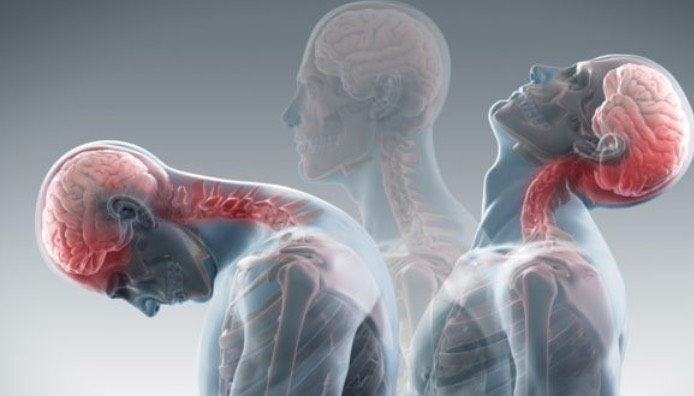
It’s easy to blame long hours or stress for that gnawing neck pain or the throbbing in your wrists, overlooking the possibility that your perfectly set ergonomic desk might be the culprit. Our symptoms often get misinterpreted, and the ergonomic setups we trust might not address the root cause of our discomfort.

Ergonomics and Neck Pain
The Problem of One-Size-Fits-All
Ergonomics generally operates under a one-size-fits-all theory, but here lies a critical flaw. Because there are so many individual variations, standard ergonomic solutions often fall short. Our bodies, habits, and preferences are unique, so our approach to creating a healthy workspace should also be.
The Nuances of Work Tasks
The complexity of specific jobs can make ergonomic principles doubtful. Some tasks demand movements or postures that no ergonomic guideline has accounted for. Work environments are varied and complex, and focusing solely on ergonomics can be like wearing blinders, ignoring the complicated nature of human tasks.

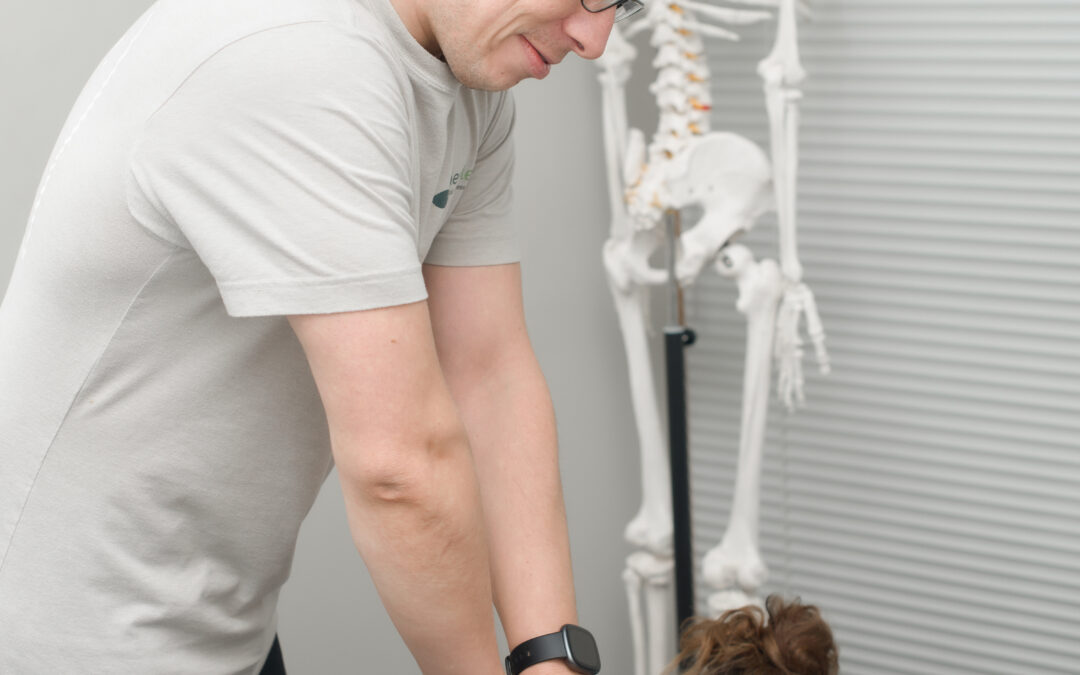
Spinal Alignment Using Ergonomics
Implementation of Ergonomics Isn’t Everything
Following ergonomic guidelines is important, but it’s no cure-all. I’ve seen first-hand how strict implementation doesn’t prevent injuries or illnesses. It’s not just about setting up an ergonomically correct workstation; it’s about how you use ergonomics and your actions beyond the desk.
.Productivity at Risk
Productivity suffers in the face of poor ergonomics. If left unchecked by inadequate ergonomic setups, muscle discomfort can lead to larger health issues, which clearly impacts work efficiency. Additionally, when comfort is compromised, so too is the quality and focus of our work.

Change positions often.
The Alternative Path to Ergonomics: Counterbalance and Adaptability
What should we do if traditional ergonomics aren’t the answer? Considering what our body goes through during the day provides a start. For instance, after hours of sitting with hunched shoulders and a downward gaze, try laying on your stomach in the evening, propped up on your elbows. This simple pose reverses the day’s harmful postures, opens your shoulders, and encourages a natural arch in your back.
Change your position frequently when sitting. Our bodies aren’t designed for stagnation. Consider including regular movement to counteract the inactive positions that ergonomics tries to perfect but sometimes cannot accommodate.
Beyond Ergonomics – A Holistic View
This blog is not a dismissal of ergonomics as a whole but a call to recognize its limitations and adapt it to fit individual needs. A successful approach to workplace well-being must be as dynamic and many-sided as the people it intends to help. It should include the environment and the needs of each human body.
Incorporating frequent movement, mindfulness of posture throughout the day, and exercises that counteract work-induced strain can complement the ergonomic framework and lead to healthier, more sustainable work habits. Ergonomics may not be the standalone solution we once thought. However, it still holds value as part of a broader, more personalized strategy. It’s about finding balance, adapting, and listening to your body’s needs. Your health, happiness, and productivity depend on it. To learn more about your body’s needs, book a functional movement assessment with one of Newleaf’s physiotherapists here.
By: DeVera Nybo, MBA

DeVera Nybo, CEO/Owner Newleaf Total Wellness Centre
Therapy Options Explained
Headaches can cause debilitating pain, making it hard to work, relax and spend time around loved ones. To make matters worse, treating headaches is not always a simple answer, as headaches can be caused by stress, neck pain, genetics, and a multitude of other factors.
For most people with a headache, the first attempt to remedy the issue is taking Advil or Tylenol. Painkillers are great for headaches, and they can quickly remove the pain. The issue with painkillers though, is that relief is temporary.
So how can someone find long-lasting relief from a headache? Chiropractic treatment. Chiropractic care is a holistic treatment that focused on correcting body alignment issues. Alignment issues in your neck, back, and shoulders can all cause headaches on a daily basis.
When you visit a chiropractor, they will assess your condition and investigate potential factors that can be causing a headache. Through spinal adjustments, manual treatment, and specialized equipment, chiropractors can target the root of your headaches and stop them once and for all.
Finding a Qualified Chiropractor in Abbotsford
Many people can be hesitant to visit a chiropractor for the first time, as treatment can greatly vary between clinics. If you are looking for a proven headache specialist that offers professional and compassionate service, look no further than Newleaf Wellness.
At Newleaf Wellness, our therapists and coaches are dedicated to your well-being. We are a multi-disciplinary clinic offering chiropractic, physiotherapy, massage, naturopathy, acupuncture, and more. If you are dealing with chronic headaches or other ailments, our team can help you remedy the issues.
If you have received a sports injury like one of those described above, give us a call in Abbotsford at (604) 850-2511, and let us help you.
Newleaf Wellness offers a variety of therapies including physiotherapy, chiropractic, naturopathic, and massage therapy in a warm and compassionate environment in our Abbotsford location.
Therapy Options Explained
A motor vehicle accident can alter the course of your life and cause a range of long-lasting physical injuries that requires physiotherapy treatment to aid in recovery. For many people, the stress of dealing with an insurance claim, medical bills, and rehabilitation costs can add to their trauma and negatively impact recovery time.
Fortunately, ICBC (the Insurance Corporation of British Columbia) may cover some physiotherapy treatments related to motor vehicle accidents. If you have been injured in a car crash, ICBC will cover up to 25 physiotherapy appointments. To be eligible for coverage, you will need to see a physiotherapist from their list of approved providers. If you opt to work with a physiotherapist that charges more than the rate ICBC funds, you will have to pay the difference.
The rate ICBC covers are up to 94 dollars per visit and up to 111 dollars for the initial consultation. It is important to note that ICBC pre-approves a maximum of 25 physiotherapy sessions. These sessions must occur within a year of your ICBC claim, and the 25 sessions also include your initial visit. Keep in mind that the cost of ICBC visits does not cover cancellations. Therefore, you will need to pay out of pocket if you miss an appointment.
How Do Physiotherapy Treatments Help?
If you’ve been in a car accident and suffered broken bones, whiplash, a concussion, or other physical injuries, physiotherapy can help you recover faster and more effectively.
Physiotherapists use techniques to reduce pain, promote healing, and improve mobility. Common treatments include manual therapy (hands-on manipulation), exercises to strengthen muscles, heat/cold therapy, ultrasound therapy, and electrical stimulation.
With continued physiotherapy treatments, you can improve your range of movement and strength, reduce pain and swelling, restore normal joint motion, and improve overall health. At Newleaf Wellness, our team of experienced physiotherapists will create a personalized treatment plan to help you recover as quickly and safely as possible. We can also coordinate payments with ICBC to ensure your treatments are covered.
Newleaf Wellness offers a variety of therapies including physiotherapy, chiropractic, naturopathic, and massage therapy in a warm and compassionate environment in our Abbotsford location.
If you have any questions about this article or would like to make an appointment, please contact us.
Sources:
https://www.icbc.com/partners/health-services/providers/Pages/Physiotherapists.aspx
https://www.icbc.com/partners/health-services/providers/Documents/ICBC-fee-guide-for-health-care-providers.pdf
Conditions We Treat
Vertebral joint dysfunction is also sometimes called facet joint syndrome or even spinal joint dysfunction. It is an arthritis-like condition of the back and/or neck related to degenerative changes often associated with age.
Chronic back and/or neck pain is very common in the general population, and it may be associated with vertebral joint dysfunction. In vertebral joint dysfunction, the aging and narrowing of our discs between the bones in our spines can cause muscle spasms and cramping which can lead to more pain. There can be a vicious circle between nerve pain, muscle spasm and more nerve pain.
The Solution
The first step towards reducing your pain is to go see a chiropractor or physiotherapist such as in our office in Abbotsford. One of our professionals can examine you and see what the cause of your back or neck pain is.
In vertebral joint dysfunction, our professionals can help you strengthen your core muscles, relax and stretch any muscles that are cramped, and give you some techniques to help reduce your back pain.
Chronic back pain can be alleviated with regular treatment and attention. Certain exercises may help you, and learning to use your leg muscles instead of your back muscles for lifting something heavy is just one example of techniques that can help you to live a more pain-free life.
If you struggle with chronic, persistent back pain, then make an appointment to see your chiropractor because he or she can help reduce your pain. If you live on the Lower Mainland, then come and see us. We can be reached at (604) 850-2511.
Newleaf Wellness offers a variety of therapies including physiotherapy, chiropractic, naturopathic, and massage therapy in a warm and compassionate environment in our Abbotsford location.
If you have any questions about this article or would like to make an appointment, please contact us.
Therapy Options Explained
Ever since its discovery in the early 1970s, Intramuscular Stimulation Therapy (IMS), has risen in popularity and is recently being hailed as a spectacular form of rehabilitation. Slowly, patients are beginning to grow more curious about the benefits that IMS can provide when treating common injuries.
We have noticed that intramuscular stimulation can help people get back to full health faster than ever. If you are unfamiliar with the practice, you are not alone. This medical breakthrough began in Vancouver a few decades ago. However, it was not until recent media attention brought this form of rehab to the mainstream audience.
How does Intramuscular Stimulation work?
IMS treatment is a unique form of physiotherapy that targets underlying nerves and muscles. Physiotherapists will first pinpoint strained muscles where issues and pain are occurring. Next, they will use specialized needles to gently probe the damaged areas.
The physiotherapist will maneuver these needles in an attempt to initiate a light cramp or muscle spasm. While this might sound peculiar, the muscles will only react this way to the probing if the muscle tension and mobility are out of sync. Any muscle that reacts with a spasm or twitch will need to have the tension removed and flexibility restored to provide lasting pain relief.
When is Intramuscular Stimulation Used?
A physiotherapist may suggest IMS for patients feeling stiff or having a limited range of motion for certain muscles. IMS will only be used after a specialized examination is conducted to see if it is safe. For the most part, it is commonly used to treat injuries where the following is common:
- Existing nerve/joint damage
- Muscle tightness
- Muscle inflammation
- Muscle spasms
- Limited range of motion
- Migraines and Headaches
These are just a few examples of when Intramuscular Stimulation may be used. During the initial examination, a physiotherapist will recommend how IMS can positively aid your recovery.
Does Intramuscular Stimulation Work?
IMS is still a relatively new practice, and more studies are being conducted on it with each passing year. Many of our patients who have come have quickly realized the benefits of IMS. Lasting results can appear within as quickly as a month. We provide IMS and rehabilitation treatment for those in Abbotsford. If you are in pain, we can fix it!
Newleaf Wellness offers a variety of therapies including physiotherapy, chiropractic, naturopathic, and massage therapy in a warm and compassionate environment in our Abbotsford location.
If you have any questions about this article or would like to make an appointment, please contact us.
Therapy Options Explained
Headaches and migraines affect many people in the world. Some many signs and symptoms occur before migraines and headache start. These include irritation, depression, or hallucinations. People with migraines try to avoid any light, may experience nausea and vomit, and feel a sharp irritation from loud noises.
Migraines and headaches
A chiropractor can help people with migraines. When the pressure is removed from the nervous system and spine aligned to its right position, this prevents migraine discomforts from occurring.
A lot of people are confused about whether to book an appointment with a dentist, an optician, or a doctor. For a couple of decades now chiropractic care has been recommended to give people relief from migraines and headaches.
Every chiropractor will understand and know the role of the spine and nervous system. If the spine gets out of the position it can put pressure on the nerves. The pressure can cause a variety of problems, which results in headaches.
The treatment of migraines depends on what is causing migraines. Chiropractors try to identify the source of the headache. Every year millions of people take pain killers like Panadol to treat migraines. This may never help the patients. Chiropractors are known to work at the root of the problem, which helps in preventing the need for multiple headache medications.
If your headache persists for a long time we recommend seeing a chiropractor for relief.
Newleaf Wellness offers a variety of therapies including physiotherapy, chiropractic, naturopathic, and massage therapy in a warm and compassionate environment in our Abbotsford location.
If you have any questions about this article or would like to make an appointment, please contact us.