Core Benefits of Active Rehab
Any individual can benefit from active rehab, which is using an evidence-based exercise and treatment program for muscle injuries. Active rehab is designed to improved your level of function, whatever it may currently be.
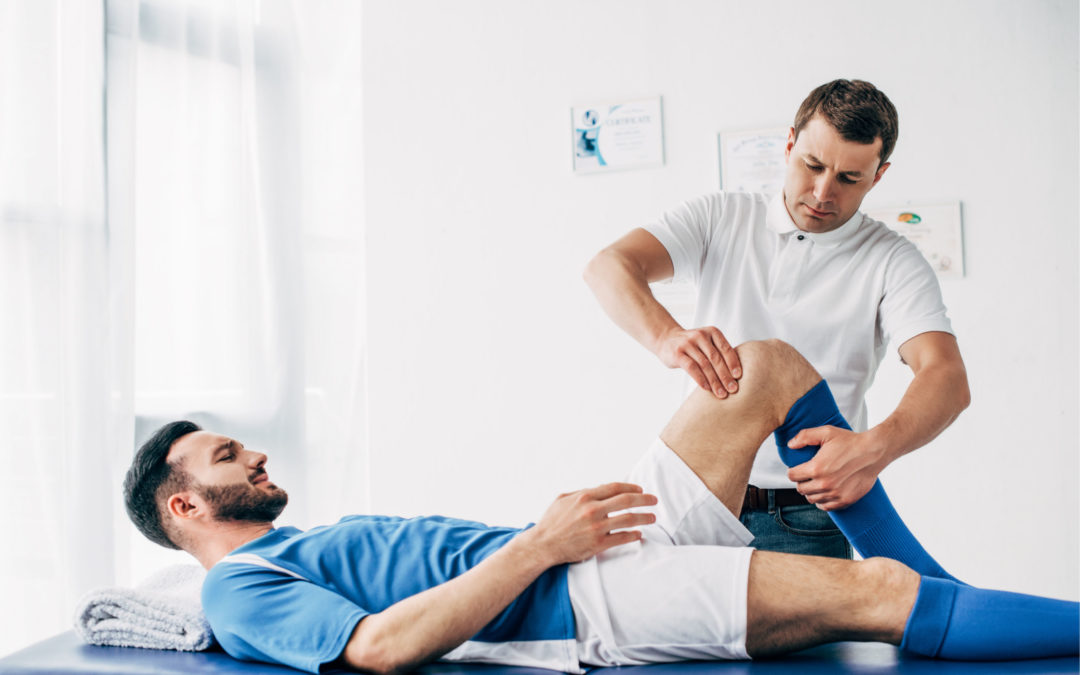
You should go through a thorough active rehab assessment with a professional to get the best help. During this examination, experts review your medical history, look for movement dysfunction, muscular imbalances, and any other core deficiencies.
Active rehab can relieve pain, preventing re-injury or further injury, and increases the total physical and functional capacity of your body. Exercise programs undertaken in active rehab help the person to return to regular activities without difficulty.
You should go to a professional with experience in active rehab, such as a physiotherapist or chiropractor, who is trained in the movement and function of the human body.
The main aim of active rehab is to regain and improve normal body mobility and function and reduce the patient’s need for pain medication. Active rehab examines and treats each patient individually, and a plan is designed to suit the unique needs of every patient.
Active rehab benefits include the following:
* Improving motion and mobility
* Avoiding medical drugs and surgery
* Lessening recovery time after accident, surgery, disease, or medical condition
* Reducing pain
* Improving movement, balance, and flexibility
* Building strength
* Promoting healing
* Preventing disability and injury
* Enhancing overall performance and fitness
* Helping through education to attain patient mobility aims
All of your physical needs should be handled by a skilled and experienced professional to avoid further complication. We welcome you to come and see us at the Newleaf Wellness Centre if you are interested in pursuing active rehab.
Newleaf Wellness offers a variety of therapies including physiotherapy, chiropractic, naturopathic, and massage therapy in a warm and compassionate environment in our Abbotsford location. If you have any questions about this article or would like to make an appointment, please contact us.