
Women's and Children's Health
Picture this: you’re in the middle of a hearty laugh or a powerful sneeze, and suddenly, you feel it – that little, uninvited leak. It’s a bit embarrassing and not something you necessarily want to chat about at your next coffee meet-up. But here’s the deal: This is more common than you think, and it’s a sign that your pelvic floor may need some serious TLC.

Breaking the Silence
It’s high time we normalize conversations about pelvic floor issues. After all, the first step to solving a problem is acknowledging it exists. An essential part of this therapy is education and understanding the many roles played by your pelvic floor. At Newleaf Total Wellness Centre, we’re on a mission to bring the conversation about women’s health into the open, where it belongs.
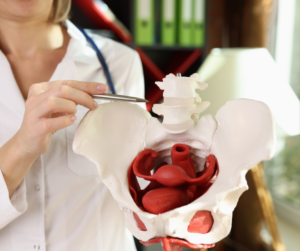
What on Earth is the Pelvic Floor, Anyway?
The pelvic floor is like a silent hero supporting your pelvic organs. It stabilizes the pelvis and spine, enhances sexual function, and supports bowel and bladder control. Think of your pelvic floor muscles as a hammock holding everything in place. Just like other muscles, they need care and, sometimes, rehabilitation.
Nearly 24% of people assigned female at birth will have pelvic floor dysfunction later in life. Its symptoms can manifest as frequent urges to urinate, constipation, or even a pressing fullness in the vaginal area. These are not merely inconveniences but problems that can affect one’s daily comfort and sense of well-being. Symptoms can range from discomfort and pain to constipation, frequent urination, and even sex-related distress.

The Unspoken Champion of Women’s Health – Pelvic Floor Physiotherapy
It is possible to sneeze without worry, laugh without hesitation and exercise without fear. How? Through a little-known champion of women’s wellness – pelvic floor physiotherapy.
Wellness warriors, fitness enthusiasts, new mothers – listen up! Pelvic floor therapy isn’t about Kegels (which can make your condition worse). Our therapists at Newleaf Total Wellness Centre use an array of techniques ranging from manual therapy, trigger point massage, and myofascial release to biofeedback and electrical stimulation. The treatments aim to strengthen and release these muscles to improve their function and, by extension, your life.
Our team of two physiotherapists and a kinesiologist are specifically trained in pelvic health. They are here to offer a comprehensive blend of therapy and tailored exercise prescriptions designed to get at and correct the root cause of issues. Treatments will help to:
- Strengthen and Release Muscles: Imagine regaining control and saying goodbye to unexpected leaks during your run or giggle fit.
- Boost Bladder and Bowel Control: Bid farewell to sprinting for the loo and hello to confidence.
- Enhance Sexual Pleasure: Nurture your intimate well-being by addressing discomfort and enhancing sensation.
- Bolster Postpartum Recovery: Bounce back stronger after childbirth with exercises geared towards new mamas.
- Improve Organ Support: Keep things lifted and supported, especially if you’re dealing with that annoying feeling of fullness or a vaginal bulge.

Wondering if Pelvic Floor Physiotherapy is Right for You?
Whether you’re a new mother navigating postpartum recovery, a dedicated yoga practitioner, or a woman looking to safeguard her healthcare future, pelvic floor health should be on your radar.
If you’ve experienced bladder leaks, struggles with postpartum recovery, painful intercourse, or other disruptions to your quality, know this – you’re not alone. Pelvic floor dysfunction plagues almost ¼ of women. It causes symptoms that range from mild inconvenience to severe discomfort and pain.

A Specialized Approach to Pelvic Floor Physiotherapy
Every person’s body is different, and every postpartum recovery is unique. This is why, when you visit Newleaf Total Wellness Centre, you’ll be given an individualized treatment plan. Our experts will review your symptoms, medical history, current habits, diet, exercise routines, and overall health in relation to your pelvic floor.
Our centre isn’t about running through a standardized checklist. We ask, we listen, and we care deeply. It’s a sanctuary where you’ll be greeted with understanding and leave with a solid game plan.
Beyond Postpartum Recovery
It’s not just new mothers who can receive help from these services. Fitness enthusiasts, women of all ages dealing with symptoms of pelvic floor dysfunction, and those who’ve had injuries or surgeries that affect these regions are all welcome. The benefits extend to sexual health, bladder and bowel control, and pain relief.
At Home with Technology
We understand that life is busy and making appointments can be tough, so Newleaf Total Wellness Centre recommends various home-based biofeedback technology options. These devices can help reinforce the exercises and techniques learned during therapy sessions, ensuring continual progression toward optimal pelvic floor health.

Your Wellness, Our Mission
We’re passionate about women’s wellness at Newleaf Total Wellness Centre. We stand ready to listen, assess, and guide you along the path to improvement. Whether you’re stepping into a gym postpartum or looking to regain confidence in your day-to-day activities, it’s time to say goodbye to “pee when you sneeze” moments.
Pelvic floor physiotherapy may be the key for many women to unlock a more active, secure, and comfortable life. Visit our website to learn more about our dedicated pelvic health services and our pelvic floor physiotherapists, Tajveer and Harman and consider starting your own success story.
For those eager to deepen your understanding, our resources draw from a breadth of respected institutions and specialists, including Beaumont, Cleveland Clinic, Loma Linda University Health, NAMS, Voices for PFD, and Mayo Clinic Health System, ensuring you’re backed by the best in the field.
Written by: DeVera Nybo, MBA, Owner/CEO Newleaf Total Wellness Centre
—
Disclaimer: The information provided in this blog post is for educational purposes only and is not a substitute for professional medical advice. Please consult with a healthcare provider before starting any new treatment.
Injury Rehab and Prevention
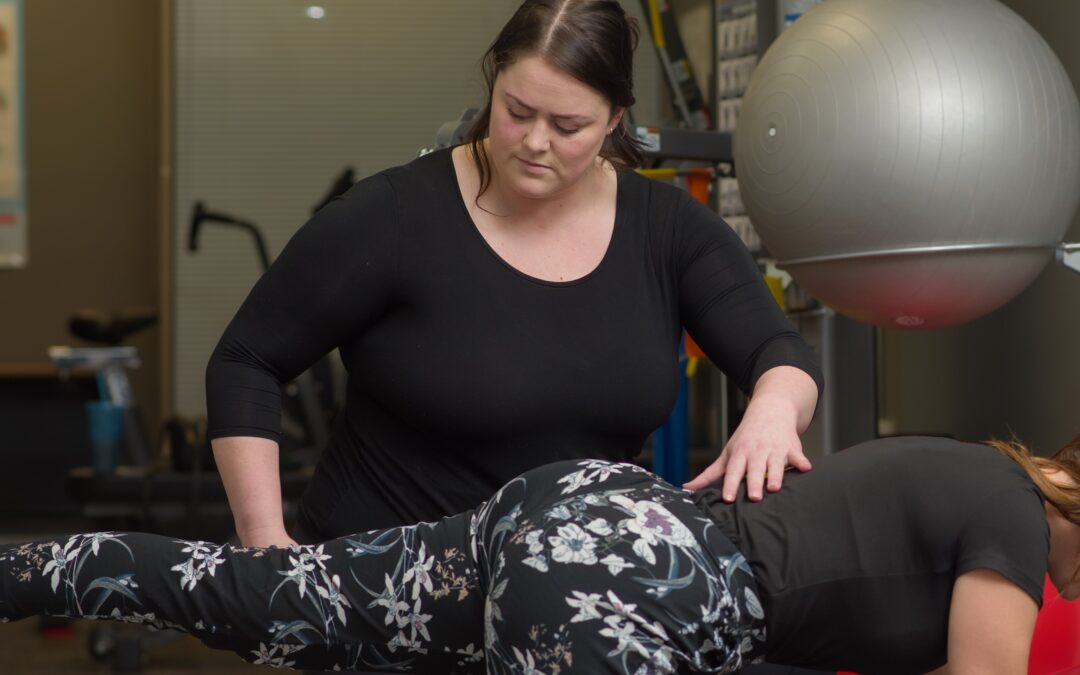
Active rehab is the beacon of hope that can guide you to a physical recovery and also a restoration of your entire self. Recovering from an injury is more than just healing your body. It’s about getting your life back. Whether you’re an athlete, someone who’s been in an accident, or recovering from surgery, this is a powerful ally in your healing journey..
Active rehabilitation cleverly combines rest with specific exercises, tailored to help you heal physically, and emotionally too. Through a series of thoughtfully assigned activities, it helps rebuild your strength and brings you closer each day to where you aspire to be post-injury.

The Active Rehab Advantage
Active rehabilitation is a structured program developed by health experts to help individuals recover from injuries. It includes exercises like stretching, strength training, balance exercises, and specific movements. This tailored approach considers your injury, lifestyle, and goals. The benefits include quicker recovery, improved strength and flexibility, and better injury prevention.
This approach looks beyond the body, considering how physical health, mental well-being, and your environment are connected. Research shows that active rehab, especially for car accident or workplace injury patients, is crucial for recovery. Organizations like the Insurance Corporation of British Columbia (ICBC) and WorkSafe BC recognize the importance and effectiveness of these treatment interventions supervised by qualified professionals like physiotherapists.
Moving early can reduce pain and speed up recovery, contrary to the old idea prolonged immobilization is the key to healing. Active rehab fights immobility’s negative effects on muscles and mental health. Following a planned active rehab program can help you recover faster.

Success Stories
There are many impressive recoveries through active rehab. These cases show improvements like flexibility and strength, but also tell stories of regaining confidence and independence. With professional help, patients can return to daily activities sooner and with more confidence.
Each of us is as unique as our fingerprints, and our recovery pathways should reflect that individuality. Active rehab excels at customizing plans to meet different needs. Injured patients receive personalized plans that heal both body and mind. For cases like ICBC, participating in active rehab can be crucial for getting extensions and approved treatment plans. Athletes benefit from tailored training plans that help them return to their sport.
Partnering with Professionals for Your Recovery
Active rehab isn’t a solo journey. It requires skilled professionals to guide, support, and motivate you. These professionals are more than just therapists; they are mentors, educators, and your source of encouragement. Consider how teaming up with these professionals can lead to your recovery. By partnering with professionals dedicated to your overall well-being, you’re not just joining a program, you’re investing in a transformative process that goes beyond recovery.
Remember, your therapist functions as a collaborative partner in your journey towards wellness. Active participation in therapy is crucial for optimal results. Your dedication to homework tasks significantly enhances the effectiveness of the treatment. Recovery primarily occurs in the comfort of your home, with the clinic visits serving as checkpoints on your progress. Your therapist’s role is to provide guidance, support, and monitoring while ensuring the safety of your exercises and activities. Ultimately, the key to progress lies in your commitment and effort.
Call to Active Rehab
The path to recovery, though uniquely personal, doesn’t have to be solitary. By actively taking part in your rehabilitation and being the main character in your story, you can bring about many positive changes that reshape your recovery journey.
Whether you’re recuperating from an injury, preparing for surgery, or on a road to recovery from a car accident or on WorkSafeBC claim, consider active rehabilitation. Collaborate with experts, set targets, and see the transformation happen. Don’t settle for a slow recovery. Seize control of your healing journey by including active rehabilitation in your routine and recover faster.
Start your active rehabilitation today and redefine what recovery means to you. Book an appointment with Randi or Jaskiat here.
Written by: DeVera Nybo, MBA, CEO/Owner Newleaf Total Wellness Centre
Therapy Options Explained
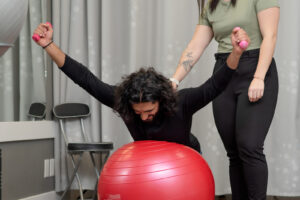
For anyone involved in sports or fitness or undergoing rehabilitation for an injury, it’s crucial to know about the various treatment options available to help with recovery and injury prevention. Athletic Therapy and Kinesiology are two fields often mentioned in the same breath. Still, they each offer unique benefits and approaches to rehabilitation. If you’re wondering which path to take for optimum recovery, you’re not alone. This blog post aims to explain each practice and aid you in making an informed decision for your healthcare needs.
What is Athletic Therapy?
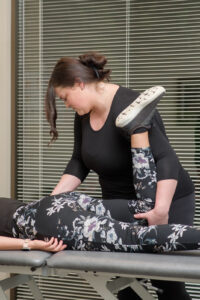
Athletic Therapy treats acute and chronic muscle, bone, and joint injuries. Certified athletic therapists receive training in the prevention, emergency care, assessment, and rehabilitation of musculoskeletal injuries. They use various techniques – including manual therapies, therapeutic modalities, corrective exercises, physical reconditioning, taping, and bracing – all geared towards a speedy and safe return to activity, whether for everyday functioning or competitive sports.
You might spot athletic therapists attending to injuries on the sidelines at sports games, ready to provide emergency care. Their expertly honed skills make them vital in professional sports teams where quick and decisive action can make all the difference.
What about Kinesiology?
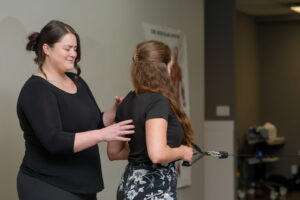
Kinesiology takes a bird’s-eye view of body movement. This science examines exercise, human movement, and how physical activity affects overall health and wellness. Rather than focusing on injury treatment, kinesiologists usually provide movement analysis and physical ability assessments. They promote active lifestyles and injury prevention through carefully designed exercise programs.
Kinesiologists work in various settings, including clinics, fitness centers, corporations for workplace health, and research. They contribute significant insights into how people can harness movement and exercise to enhance well-being.
Comparing Education and Certification
To become a certified athletic therapist, candidates must complete a dedicated Bachelor’s Degree program with at least 1200 hours of practical training in diverse settings and pass a rigorous certification exam. Kinesiologists generally require a Bachelor’s Degree in Kinesiology or a closely related field but do not have the same focused training specifically for injury assessment and rehabilitation.
Insurance Considerations
Before choosing your therapy path, it’s essential to consider insurance coverage. Insurance plans may not cover Athletic therapy and kinesiology services, so check what your policy allows for. ICBC funds both, but a Physio-Directed Active Rehab Program could be a viable alternative if you’re dealing with an injury not covered by accident insurance, and you don’t have coverage under your extended benefits.
Such programs, typically involving an Athletic Therapist or Kinesiologist overseen by a Physiotherapist, may be billable under physiotherapy benefits, meaning more likelihood of coverage by insurance providers like Manulife, Canada Life, Sunlife or Pacific Blue Cross.

Kinesiology or Athletic Therapy: Making the Right Choice for You
The right choice between Athletic Therapy and Kinesiology depends on your specific needs and goals. An Athletic Therapist could be your best choice if you focus on expertly navigating the road from injury to activity with precision. Conversely, suppose you want to enhance your movement, build strength, and foster recovery through regular physical activity. In that case, kinesiology might be the way to go.
The bottom line comes down to compatibility. Ensuring that your therapist has the requisite qualifications, experience, and an approachable personality is as important as their professional capabilities. Trust, comfort, and confidence in your therapist’s expertise are non-negotiable in your recovery journey.
—
This post aims to clarify the distinctions between Athletic Therapy and Kinesiology, offering insight to athletes, fitness enthusiasts, and patients alike for better-informed health and recovery choices.
If you have questions or need personalized guidance, don’t hesitate to contact our clinic or book with one of our healthcare professionals, who can provide tailored advice based on your unique situation and goals.
Written by: DeVera Nybo, MBA, CEO/Owner, Newleaf Total Wellness Centre.
Injury Rehab and Prevention
If you’re reading this, chances are you’ve encountered the frustrating plateau that often accompanies the road to recovery. As an ICBC client or someone who’s experienced injury, you know all too well that healing is not always linear. Despite following medical advice, sometimes progress just stalls. But why does this happen, and more importantly, what can be done to overcome a setback in your injury recovery? This blog post will address these crucial questions and offer actionable strategies to help you overcome injury setbacks.
Find a Therapist You Trust to Help Overcome a Setback in Your Injury Recovery
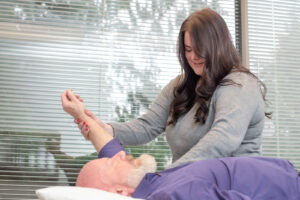
One of the cornerstones of effective recovery is working with a healthcare provider you trust. A strong patient-therapist relationship leads to better engagement, more meaningful therapy sessions, and, ultimately, improved outcomes. If your recovery has plateaued, evaluate your partnership with your therapist.
Do you feel heard and understood during your sessions? Is your therapist attentive to your concerns and adjusting treatments accordingly? Trust is essential—don’t hesitate to seek a second opinion or find a new therapist if it doesn’t feel right. Remember, this is about your healing, and you deserve a guide who resonates with your recovery goals.
Overcome a Setback by Attending Your Appointments
It’s not uncommon for life to get in the way of recovery. Missed appointments, however, may be the culprit behind a stalled recovery process. Consistency is vital when it comes to rehabilitation and healing. Each session builds upon the last; skipping appointments can disrupt this progression.
Recommit to attending all scheduled appointments or discuss with your therapist a suitable schedule that accommodates any constraints you might have. Being proactive and reliable with your presence can play a significant role in getting your recovery back on track.

Attending your scheduled appointments to avoid setbacks
Be an Equal Partner in Your Recovery
Recovery is a two-way street; it requires the expertise of your therapist and your active participation. To regain momentum, adopt the mindset of an equal partner in your treatment. Be candid with your therapist about pain levels, discomfort, or concerns. Provide feedback on what’s working and what isn’t. The more information you share, the more your therapist can tailor the recovery plan to fit your specific needs.
Empower yourself by asking questions and understanding the rationale behind each aspect of your treatment. When you know the ‘why’ behind each exercise or recommendation, it likely becomes more meaningful and integral to your routine.

The therapist/patient relationship is crucial to overcome injury setbacks.
Do Your Homework to Overcome Injury Setbacks
Often, recovery extends beyond the confines of the therapist’s office. “Homework,” such as exercises, stretches, or lifestyle changes, is frequently prescribed to complement in-clinic treatment. If you’ve become lax with your at-home program, now is the time to reinvigorate your commitment.
Implement strategies to ensure you do the work: set reminders, create a dedicated exercise space, or find a recovery buddy to keep you accountable. Your diligence with these tasks can dramatically influence the speed and effectiveness of your recovery.
Conclusion
Setbacks in recovery can be discouraging, but identifying the reasons behind stalled progress is the first step toward regaining momentum. By fostering a trustworthy relationship with your therapist, attending all your appointments, becoming an active participant, and diligently doing your prescribed “homework,” you’re paving the pathway to your successful recovery.
Your commitment to these strategies rallies you back to health. It equips you with resilience and a proactive approach to healing. Remember, your recovery is a personal journey, and you hold significant power in influencing its direction and destination.
Still have questions? Visit our learning centre for more answers to common questions or book an initial assessment with one of our physiotherapists.
Injury Rehab and Prevention
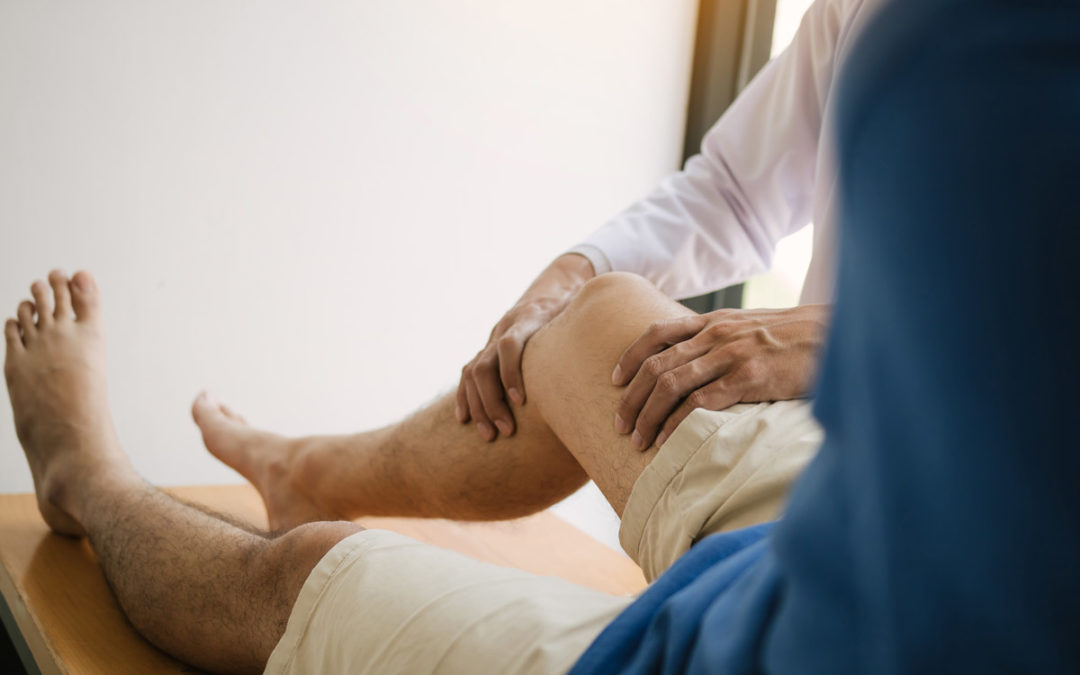
Knee injuries are common in sports, and ACL tears are among the most serious. While there are many types of knee injuries, this article focuses on the most frequent sports-related cases — including ACL tears — and explores effective treatment options to support recovery and long-term joint health.
Ligaments
There are four main ligaments in the knee: the lateral collateral ligament (LCL), the medial collateral ligament (MCL), the anterior cruciate ligament (ACL), and the posterior cruciate ligament (PCL). The ACL is in front of the PCL and gets injured more often than the PCL.
The ligaments you injure can have partial or complete tears. There are typically two potential treatments: surgery or no surgery. What the patient needs depends on the extent of the injury and also the lifestyle of the patient. For example, a competitive skier will likely want/need his or her knee to work perfectly when the injury heals and is more likely to get surgery than someone whose main exercise is walking 100 feet to his or her vegetable garden.
For those who do not get surgery, they will likely need a knee brace for some period of time and even perhaps permanently while doing anything that puts a lot of stress on the knee.
Bone
Then there is the possibility of breaking one or more bones that comprise the knee. There is the knee cap, the patella, but there is also the bottom of the femur (thigh bone) and the tops of the tibia and fibula (lower leg bones). These breaks can be simple cracks that are not displace all the way to comminuted fractures in which bones break into a lot of little pieces.
So, again, the treatment will depend on the severity of the bone injury. More severe breaks will need surgery and possibly plates and screws. Simpler breaks can usually be treated with a cast or brace.
Surgeries on ligaments can sometimes be done arthroscopically or through one or more small incisions, and sometimes not.
In any case, no matter what your knee injury is, you will likely need some physical therapy at the end of it. Your joint will also be more prone to arthritis as you age, and you may experience some ongoing pain. We are experts on physiotherapy following knee injuries and can help you to regain maximum function in your knee.
If you have received a knee injury like any of those described above, give us a call in Abbotsford at (604) 850-2511, and let us help you.
Newleaf Wellness offers a variety of therapies including physiotherapy, chiropractic, naturopathic, and massage therapy in a warm and compassionate environment in our Abbotsford location.
If you have any questions about this article or would like to make an appointment, please contact us.

Pain Relief and Physical Health
Physiotherapy for back pain can bring enormous relief to many sufferers. Rather than using surgery, it uses a range of techniques and technologies to treat pain at its source.
Has your back pain got so bad, or gone on so long, that you’re considering surgery? Around 30,000 Canadians each year decide their only option is to go under the knife. It can bring relief for some, but first, it’s good to try other options.
Let’s take a closer look at the benefits of physiotherapy for back pain.
How Physiotherapy Works for Back Pain
Physiotherapy is a discipline that uses multiple different techniques. It all begins with a thorough, individual assessment. The physiotherapist will talk to you in detail about your problems.
He or she will also discuss how your back pain impacts your daily life. They’ll want to know about your medical history and any other health concerns you currently have.
Once they’ve built a complete picture of you as a whole person, they can begin to plan your treatment. The goal of physiotherapy is to restore physical function and body movement. Giving you the confidence to go about your everyday activities without the limitation of back pain.
The Cause of Back Pain
Back pain can have many different causes. Maybe you sustained an injury at work or playing sports, and know what caused your issue. For other people, back pain may begin for no apparent reason.
Even something as mundane as sneezing can trigger back pain! Most back pain stems from muscular strains and sprains.
If your back pain has a muscular cause, physiotherapy can help. Physiotherapy helps by strengthening the muscles, helping them to be more flexible. This, in turn, lowers your risk of injuring your back again.
Physiotherapy for Back Pain
A physiotherapy session for back pain will look different for each person.
Do you have mobilization issues? Part of the session will focus on mobilization or manipulative physiotherapy. This technique finds the source of the pain and helps to increase the range of movement in it.
Another aspect of physiotherapy for back pain is stabilization. This focuses on strengthening the muscles around the affected area. This helps to strengthen muscles that have been weakened or used improperly.
Physios will provide advice and specific exercises to do at home to help strengthen your back.
For many people, the work they do at home or in the workplace makes their back problems worse. An ergonomic assessment can help you to identify issues with your workstation or activities that you commonly do at work. Physios can educate you on how to do your work or daily activities without injuring yourself.
Posture can also have an impact on back pain. Physios can give you tailored advice to correct any postural issues you may have.
When Should I Get Physio for Back Pain?
It’s normal for everyone to get twinges in their back from time to time. These usually go away in a few days without treatment.
But if you’ve had an injury, or have back pain for more than a week, then you need some professional advice. You can discuss your issue with your family physician. You can also directly book a session with a physiotherapist for an assessment.
Benefits of Physiotherapy for Back Pain
Physiotherapy for back pain is very effective. That’s because it gets to the root of the problem. Physios also have a wide range of different techniques at their disposal.
These include:
- Dry needling
- Joint mobilization
- Massage
- Stretching
- Exercises
- TENS machine
Better than Medication
Medication may mask symptoms and help you to cope with daily life. The problem is that for muscular issues like back pain, it is not treating anything. If the problem is serious, it will not go away on its own.
Medications also come with side effects. The only side effects of physiotherapy for back pain are positive ones. You’ll be stronger, more flexible and in less pain!
Personalized Treatment
Physios spend time with you. They devise a truly personalized treatment plan. You can have confidence that each session is focused on helping you to heal.
The exercises the physios prescribe will help you to build strength and flexibility. By working through the exercises each day, you can benefit beyond the sessions.
Strengthen and Stabilize
Physiotherapy doesn’t just target a single issue. By helping you to build the strength, stability, and flexibility of the surrounding muscles, it helps you avoid repeat injuries. This can break the cycle of back pain that continues recurring.
Reducing physical pain also has benefits for mental health! It’s very hard not to become down when we’re suffering long-term pain. Gaining relief – and techniques to control pain can be an empowering experience.
Referrals If Needed
Physiotherapy can make a huge difference to many back pain sufferers. But physios also recognize that support from other professionals may be needed.
If you have significant injuries, physios may recommend that you consult other therapists. This could include a sports physician or a chiropractor.
Trust Newleaf Total Wellness Centre for Physiotherapy for Back Pain
No one wants to live their life hampered by chronic back pain. By helping you strengthen and mobilize your back, physiotherapy for back pain can give you a new lease of life!
To get the best results, you need to visit the best physiotherapist in Abbotsford. At Newleaf Total Wellness Centre, we have two highly qualified and experienced physiotherapists. Our team is dedicated to helping you live your best life – without back pain!
Call us now on 604.850.2511 or book an appointment online with one of our physios!

Pain Relief and Physical Health
Sore backs can be a real drag. In fact, almost a third of Canadians say that back pain is limiting their lives. If you’ve got persistent back pain, it’s time to get to the root of the problem.
Physiotherapy is an excellent treatment option for people suffering from sore backs. Do you have back pain that has lasted more than a week? Does it restrict your movement, or hurt when you cough or sneeze?
If so, read on to see how physiotherapy in Abbotsford can make all the difference.
What Is Physiotherapy?
The focus of physiotherapy is restoring movement or function to someone who is affected by an injury, disability or illness. As well as providing therapeutic services, a physiotherapist also educates patients. This can help them to make healthy lifestyle choices and to prevent further injury in future.
First Session
Whenever you go for physiotherapy, your first session will always begin with a thorough assessment.
This will involve a verbal consultation. The physiotherapist will discuss your medical history and current complaints. He or she will then perform a range of tests, such as flexibility or range of motion tests.
The physiotherapist will make a diagnosis based on the result of these tests. He or she will then discuss your goals, and work with you to come up with a treatment plan. The goal is to provide a treatment plan that is supported by evidence and will be reasonable for you as a patient to follow.
Physiotherapy Treatments
People often associate physiotherapy with exercise. It is true that specific exercises do often form an important part of physiotherapy. However, it can also include:
- massage
- work and occupational re-training
- use of assistive or supportive devices
- use of hot and cold packs
- joint manipulation
Use of one or several of these can form part of the treatment for sore backs. They can also form an important part of ongoing preventative measures you can take to reduce the risk of recurrence.
Physiotherapy for Back Pain
Having a sore back is a common complaint. Happily, for most people, it is not caused by a serious problem. In those cases, it is often resolved in a few weeks by staying active and having physiotherapy.
Causes of Back Pain
The fact is, it’s not always possible to identify the cause of back pain.
That’s because sore back muscles can have many causes. These include straining the back during everyday activities. You could be run down or very stressed, or lifestyle factors such as obesity or poor sleep could be at play.
Your physiotherapist will discuss all of these factors with you during the initial consultation. He or she will help you to identify triggers that cause the pain to increase. This can help you to recognize them and counter them.
More Than Just Sore Backs – Serious Symptoms
There are symptoms that can indicate a more serious condition. These include:
- Pain that lasts for several weeks
- Numbness or tingling in the legs
- Problems with urinating or bowel movements
- Loss of sexual function or sensation
- Back pain with fever
In these cases, it’s important to work with your doctor and a physiotherapist to identify the source of the problem.
Treatment for Sore Backs
In the past, bed rest was often recommended for back pain. However, this is likely to do more harm than good. It causes muscles to lose their tone at the very time you need to be building them!
Modern physiotherapy for sore backs centres around exercise and remaining active.
Once your physiotherapist has diagnosed the issue, they will give you advice on how to treat it. This may include using hot and cold packs on the sore back muscles. Some therapies may involve alternating the two.
They will also give you specific back exercises that you should complete at home. To get the maximum benefit, follow the routine outlined by the physiotherapist.
Your physiotherapist may also perform manual therapy in the office. This can take many forms including massage, stretching and joint manipulation. The goal of manual therapy is to reduce muscle spasms and muscle tension.
However, manual therapy alone will not be enough for ongoing sore back relief. You will need to follow up with exercises at home to build strength in the affected area and reduce the chance of a flare-up.
Benefits of Physiotherapy for Sore Backs
Sometimes, a sore back will simply go away on its own. But the longer it goes on, it’s less likely that will be the case. Getting physiotherapy in Abbotsford is a wise choice that has long-term benefits.
Seeing a physiotherapist means that you get personalized care. He or she will treat your specific problem and give tailored advice. This will also prevent you from doing exercises that will actually cause further damage.
A physiotherapist will also be able to spot and treat more serious issues. This can prevent them from developing into problems that require surgery, which should always be a last resort.
Engaging with a therapist also has another more obvious benefit – reduced pain! You’ll be able to reduce your discomfort and may even be able to resume activities you’d had to give up.
You may be able to regain a wider range of motion, making walking, driving and other aspects of daily life more comfortable.
How Physiotherapy in Abbotsford Can Help Sore Backs
If you’re suffering from ongoing back pain, take action today. Physiotherapy in Abbotsford has helped to sort out hundreds of sore backs, and yours can be next!
At the Newleaf Total Wellness Centre, we’re here to find the right treatment for you. Sore backs can be treated with physiotherapy, but some will respond better to chiropractic treatment.
We offer a wide range of professional services. This allows us to tailor your treatment to your exact needs.
Click here to book an appointment with one of our team today.

Injury Rehab and Prevention
Before we begin, I’d like to introduce myself. My name is Corinne Allmark, and I swam competitively from age 7 to 20, representing Club, Squad, and Lancashire County. I also competed nationally in breaststroke, butterfly, and individual medley events. Toward the end of my swimming career, I began coaching — and thanks to my experience, I quickly found myself mentoring young swimmers on their way to national and international competitions.
Now, as a physiotherapist, my swimming background gives me a unique advantage when working with swimmers. I understand the physical demands of the sport and how physiotherapy for shoulder pain in swimmers can dramatically improve technique, prevent injury, and support recovery.
Why Shoulder Pain Is Common in Swimmers
The shoulder is a ball-and-socket joint, stabilized by four rotator cuff muscles. These muscles work together to keep the shoulder centered and rotating smoothly. If any of them are injured or weak, shoulder efficiency drops — and so does your power in the water.
Supporting muscles around the neck, back, and ribs also play a key role. They stabilize the shoulder blade, which is the foundation for shoulder strength. If your shoulder blades stick out or “wing,” it may be a sign that these muscles need strengthening.
Coordination and Muscle Timing Matter
To swim efficiently, your shoulder, shoulder blade, and spine must move in sync. When this coordination breaks down — often due to overactive upper traps or lats — your stroke becomes less effective and more injury-prone. Physiotherapy for shoulder pain in swimmers focuses on restoring this balance and retraining muscle timing.
Flexibility Is Key to Injury Prevention
Swimming requires a wide range of motion, especially in the shoulders, spine, and hips. Movements like butterfly arms or breaststroke kicks aren’t part of our daily routine, so regular stretching is essential. A good warm-up and cool-down routine helps prepare your body and reduce the risk of strain.
Core Strength and Body Awareness in the Water
Even though water supports your body, core control and proprioception are vital. Being aware of how you move through the water — and having the strength to control it — can dramatically improve your technique and reduce injury risk.
4 Common Technique Errors That Stress the Shoulder
- Over-rotation or thumb-first entry narrows the shoulder space and can pinch tendons.
- Crossing the center line overstretches the back and compresses the shoulder and neck.
- Reaching too deep increases joint pressure and reduces stroke efficiency.
- Pulling with a straight arm adds unnecessary load and stress to the shoulder.
These errors are common, but correctable. Awareness is key. Try filming yourself or asking a friend to observe your stroke — it’s easier to fix what you can see.
How Physiotherapy Can Help Swimmers
If you’re experiencing shoulder pain or want to prevent it, a physiotherapy assessment can help. We’ll evaluate your range of motion, control, and movement patterns. Based on your results, we’ll create a personalized plan to improve performance and reduce injury risk.
If you’re already dealing with an injury, a combination of hands-on treatment and targeted exercises can support your recovery and get you back in the pool faster.
Land-Based Training for Swimmers
Resistance and core exercises on land can enhance your strength, stability, and stroke mechanics. Foam rolling and regular stretching also help reduce muscle tension and improve recovery.
Ready to Swim Stronger?
Whether you’re managing an injury or want to optimize your technique, physiotherapy for shoulder pain in swimmers can help. Book an assessment now — your shoulders will thank you.

Therapy Options Explained
Physiotherapy for Seniors: Pain Relief and Core Strength
There’s a common misconception that physiotherapy is only for injury recovery. While it’s true that many people seek treatment after an injury, physiotherapy for seniors offers far more than just rehabilitation — it’s a proactive way to stay strong, mobile, and pain-free as we age.
Physiotherapists are experts in movement, muscle function, and injury prevention. That makes them ideal partners in helping seniors maintain independence and quality of life. Here are three key ways physiotherapy for seniors can make a lasting impact:
1. Pain Relief for Age-Related Conditions
Physiotherapy can help manage pain caused by arthritis, osteoporosis, and other age-related conditions. By strengthening the muscles around affected joints, physiotherapists reduce strain and improve mobility — often without the need for medication.
2. Injury Recovery and Prevention
Recovering from an injury is more than just healing — it’s about understanding why the injury happened and how to prevent it from recurring. Physiotherapy for seniors includes targeted exercises and stretches that rebuild strength and improve balance, helping reduce the risk of future falls or strains.
3. Core Strength and Stability
A strong core is essential for posture, balance, and everyday movement. As we age, core muscles can weaken, leading to poor alignment and increased risk of injury. Physiotherapy focuses on rebuilding core strength to support the spine and improve overall stability — keeping seniors active and confident.
At Newleaf Wellness Centre in Abbotsford, we offer physiotherapy for seniors in a warm, compassionate environment. Whether you’re recovering from an injury or simply want to stay strong and mobile, our team is here to help.
Have questions or want to book an appointment? Contact us today to learn how physiotherapy can support your health and independence.

Therapy Options Explained
The collaborative relationship between therapist and patient is one of the most important elements of successful physical therapy. And patient compliance is an issue will all kinds of medical treatment. Here are four reasons why you need to do your Physical Therapy Homework and why it can be essential for ensuring you are successful in your treatment goals.
You Are an Active Participant in Your Own Rehabilitation
Due to the collaborative nature of Physical Therapy it is important that you and your therapist work together to set goals and come up with a series of exercises that feel comfortable for you to perform and that fit within your schedule. Because of this it is important that you set realistic goals and be honest about how much time you think you can spend doing regular exercises.
Repetition Equals Results
Most of these exercises are meant to be simple enough to be performed by most patients and to be completed in a limited amount of time in your own home and the results of these exercises comes from performing them over and over again.
Exercises Indicate the Progress of Treatment
Doing your Physical Therapy homework will indicate to your therapist how well your treatment is progressing, and lack of practice can result in recurrence of some symptoms and a prolonging of the treatment.
Cessation of Pain Does Not Equal Completion of Therapy
Sometimes the pain caused by injuries requiring physical therapy can cease before you have completed the therapy program itself. However, it is a mistake to assume that just because the pain has gone that you have completed your therapy and met your goals. Thus, it is important to continue with your homework exercises and continue seeing your therapist to ensure that you meet those goals you and your therapist have set before ceasing treatment.
Remember that in Physical Therapy, your homework is your prescription. It is the medicine that your therapist has given you to help you with your difficulties and neglecting the homework won’t give you the results that you want and need.
Newleaf Wellness offers a variety of therapies including physiotherapy, chiropractic, naturopathic, and massage therapy in a warm and compassionate environment in our Abbotsford location. If you have any questions about this article or would like to make an appointment, please contact us.