Therapy Options Explained
In the ever-expanding world of alternative medicine, ear seeding has emerged as a fascinating and effective method for promoting overall wellness. But what exactly is ear seeding, and why is it gaining popularity among wellness enthusiasts and seekers of alternative therapies?

The History and Origins of Ear Seeding
Ear seeding, or auriculotherapy, is deeply rooted in Traditional Chinese Medicine (TCM). This practice goes back thousands of years and is based on the concept that the ear is a microsystem of the entire body. By stimulating specific points on the ear, practitioners believe they can influence various bodily functions and promote overall health.
How Does it Work?
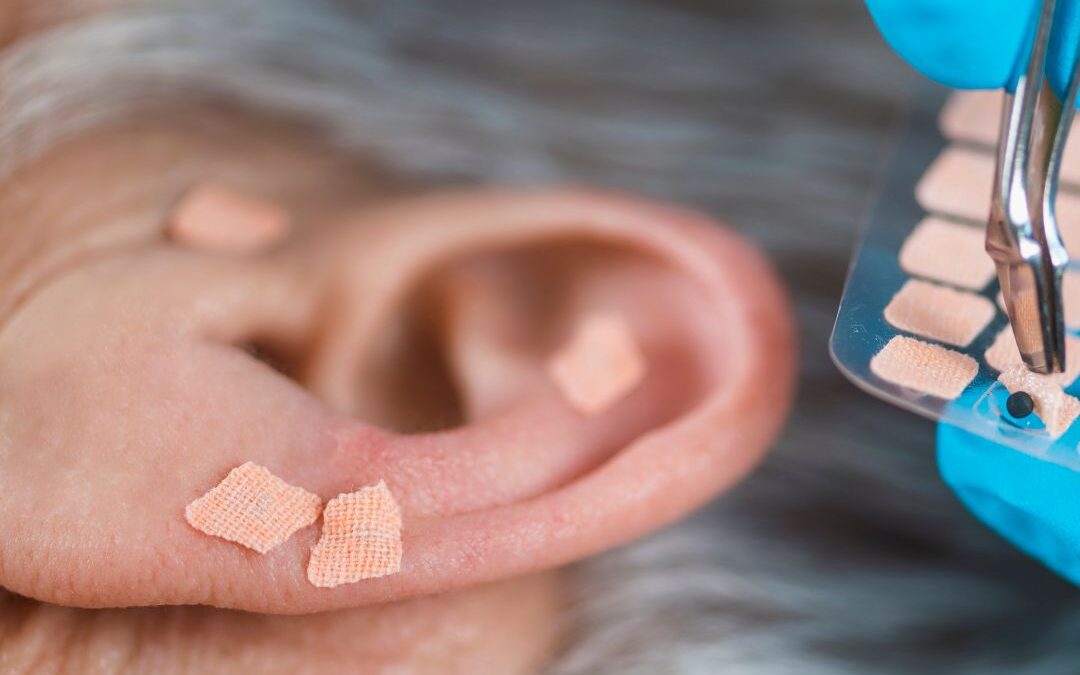
Auriculotherapy involves placing tiny seeds or beads on specific ear points. These seeds are typically held in place with adhesive tape and are known to stimulate acupressure points. This stimulation directly impacts the body’s energy flow or “Qi,” helping to restore balance and enhance well-being.
Research and clinical studies have shown that ear seeding can influence the nervous system, reduce pain, and improve emotional well-being, making it a versatile tool in holistic health care.

Benefits of Ear Seeding for Wellness and Health
The benefits of auriculotherapy extend across various wellness and health areas. Some of the most notable include:
Pain Relief: Many individuals report significant reductions in chronic pain conditions, including migraines and arthritis.
Stress Reduction: Research has found auriculotherapy to promote relaxation and reduce stress levels, making it an excellent tool for mental well-being.
Enhanced Sleep: By balancing energy flow, ear seeding can help those struggling with insomnia or poor sleep quality.
Digestive Support: It can aid in improving digestion and easing symptoms of gastrointestinal disorders.
Emotional Balance: Many users find auriculotherapy helps manage anxiety, depression, and other emotional challenges.
Who Can Benefit?
Auriculotherapy is a versatile therapy suitable for a diverse range of individuals:
Chronic Pain Sufferers: Those with migraines, back pain, or arthritis may find relief.
Individuals Under Stress: Anyone experiencing high stress or anxiety levels could benefit from the calming effects of auriculotherapy.
Sleep-Deprived Individuals: Those looking to improve their sleep patterns can find ear seeding especially useful.
Wellness Seekers: Individuals invested in maintaining their overall health and wellness often add ear seeding to their holistic health regimen.

The Process of Ear Seeding: What to Expect
If you’re considering ear seeding, understanding the process can help set your expectations:
Initial Consultation: A practitioner will assess your health and determine which points on your ear need stimulation.
Application: Adhesive tape applies small seeds or beads to the identified points.
Duration: Seeds typically remain in place for several days to a week, after which the TCM will remove or replace them.
Follow-Up: Regular follow-ups ensure the treatment remains effective.
Safety and Effectiveness
Ear seeding is generally safe when performed by a trained practitioner. It is non-invasive and has minimal side effects, making it suitable for most individuals. However, it is essential to consult a certified professional to ensure the practice is tailored to your specific needs and health conditions.

Ear Seeding vs. Other Alternative Therapies
Compared to other alternative therapies like acupuncture, reflexology, or herbal medicine, ear seeding stands out for its simplicity and accessibility. While acupuncture involves needles and requires professional administration, ear seeding can be self-administered with proper guidance.
Conclusion
As the world continues to explore and embrace holistic approaches to health, auriculotherapy plays a significant role in the future of wellness. Its ancient roots and modern validation make it a reliable and accessible tool for achieving better health.
At Newleaf Total Wellness Centre, we offer evidence-informed treatments that prioritize patient-centered care. Our interdisciplinary team is committed to working together to help you achieve your wellness goals. If you’re interested in exploring ear seeding or other alternative therapies, we invite you to connect with us and take a proactive step toward a higher quality of life.
Written by: DeVera Nybo, MBA, CEO / Owner Newleaf Total Wellness Centre

Chronic Conditions & Holistic Health
Feeling nauseous can be an uncomfortable and disruptive experience. Many health-conscious individuals seek to understand the underlying causes and solutions for this common problem. In this blog post, we’ll explore the various factors that can lead to nausea, its physiology, management strategies, diagnostic processes for chronic nausea, and holistic treatments that can offer relief.

What Causes Nausea?
Various factors can trigger nausea, ranging from benign to more serious health conditions. Common causes include:
- Gastrointestinal Issues: Conditions such as gastroenteritis, food poisoning, and acid reflux can one lead to feeling nauseated.
- Motion Sickness: Traveling by car, plane, or boat can trigger upset stomach and vomiting in susceptible individuals.
- Pregnancy: Morning sickness is a well-known cause of nausea during pregnancy.
- Medication Side Effects: Certain medications, such as chemotherapy drugs, can induce nausea as a side effect.
- Stress and Anxiety: Emotional stress and anxiety can manifest physically as queasiness.
- Food Sensitivities: Food intolerances and allergies can cause stomach upset after consuming trigger foods.
The Physiology Behind Nausea
Feeling nauseous is a complex physiological response that involves multiple body systems. It begins in the brain, specifically the area known as the vomiting center, which receives input from various sensory organs such as the inner ear and stomach. This triggers a series of events, including increased heart rate, changes in blood flow, and contraction of abdominal muscles, resulting in the sensation of queasiness sometimes leading to vomiting.

Managing Nausea
Managing nausea involves addressing both the symptoms and the underlying cause. Here are some strategies that can help:
- Dietary Changes: Avoiding trigger foods or following an anti-inflammatory diet can help. Eating smaller, more frequent meals and avoiding spicy or greasy foods can reduce nausea.
- Hydration: Staying hydrated helps flush out toxins and can alleviate symptoms.
- Ginger and Peppermint: Research has shown that natural remedies like ginger tea or peppermint oil can reduce queasiness.
- Medication: Over-the-counter antiemetic medications can provide temporary relief in acute cases.
- Mindfulness and Relaxation Techniques: Reducing stress through mindfulness and relaxation exercises can help manage anxiety-related nausea.

How is Chronic Nausea Diagnosed?
When nausea becomes chronic, a thorough evaluation by a healthcare professional is essential. According to the Mayo Clinic, effective treatment relies on accurate diagnosis. The diagnostic process may include:
- Medical History Review: Understanding the patient’s medical history and current medications.
- Physical Examination: A comprehensive physical examination to identify potential underlying conditions.
- Diagnostic Tests: Doctors may conduct blood tests, imaging, and endoscopy to rule out specific causes.
A precise diagnosis can significantly improve treatment outcomes, offering targeted solutions to manage chronic nausea.

Holistic Treatments for Chronic Nausea
Holistic approaches can complement traditional medical treatments, providing a comprehensive strategy for managing chronic nausea. These include:
- Acupuncture: This ancient practice can help balance energy flow and reduce symptoms.
- Herbal Remedies: Herbs like chamomile and fennel are known for their soothing properties.
- Dietary Counseling: Working with a nutritionist to create a tailored diet plan can support overall wellness and reduce nausea.
At Newleaf Total Wellness Centre, we believe in a patient-centred approach that integrates interdisciplinary care to achieve optimal health outcomes. Our team of professionals is dedicated to supporting your journey to feeling stronger, braver, and better.

Conclusion
Understanding the causes and physiology of nausea is the first step in finding effective relief. Individuals can take proactive steps toward better health by exploring various management strategies, diagnostic processes, and holistic treatments. Consider partnering with a healthcare provider who values evidence-informed, patient-centred care for personalized support.
If you’re experiencing chronic nausea and would like to explore holistic treatment options, contact Newleaf Total Wellness Centre. Our team of experts is here to partner with you on your path to wellness.
Written by: DeVera Nybo, MBA, CEO / Owner Newleaf Total Wellness Centre

Women's and Children's Health
Women’s health is a complex and diverse field that demands our attention and understanding. At Newleaf Total Wellness Centre, we advocate for proactive and preventative measures to enhance our quality of life. This blog post delves into five crucial health issues that every woman should be well-informed about. We provide insights into risk factors, symptoms, and holistic approaches to prevention and treatment, all of which are essential for maintaining optimal health.
1. Heart Disease & Stroke in Women
Understanding the Issue in Terms of Women’s Health
Heart disease and stroke are significant women’s health concerns, often underestimated in comparison to their impact on men. Despite common misconceptions, cardiovascular diseases claim more female lives annually than any other cause. Factors such as hormonal influences, pregnancy-related complications, and lifestyle choices uniquely affect women’s cardiovascular health. It is crucial to recognize symptoms, which can differ from those experienced by men, and prioritize regular check-ups. Increased awareness, education, and proactive healthcare can help mitigate the risks and improve outcomes for women facing these potentially life-threatening conditions.
Risk Factors
Symptoms
Symptoms of heart disease in women can often be subtler than in men. Common signs include:
- Pain in the neck, jaw, or back
Holistic Approaches to Prevention and Treatment
Physiotherapy: Regular physical activity is crucial. Physiotherapists can design tailored exercise programs to improve cardiovascular health. Physiotherapy plays a vital role in stroke rehabilitation. It helps survivors re-learn skills and adapt to abilities lost due to brain damage.
Massage Therapy: Can reduce stress and lower blood pressure, contributing to heart health. For individuals who have undergone cardiac procedures, massage may aid in their recovery1. The Massage Therapy Foundation (MTF) is funding research to explore this further.
Acupuncture & TCM: These ancient practices help regulate bodily functions and improve cardiovascular health. Health care professionals need to be aware of TCM’s role in heart disease management to provide safe and effective care to patients who use combination therapies 2.
Naturopathic Doctor: Natural remedies and dietary recommendations may help manage risk factors like high blood pressure and cholesterol. Some natural supplements (e.g., omega-3 fatty acids, CoQ10, garlic) may support heart health. Certain herbs (e.g., hawthorn, garlic, ginger) have potential cardiovascular benefits.

2. Breast, Ovarian, and Cervical Cancer
Understanding the Issue in Terms of Women’s Health
Breast, ovarian, and cervical cancers are huge concerns in women’s health globally, each requiring distinct attention and awareness. Breast cancer, the most common among women, affects the breast tissue and can be detected early through regular mammograms and self-examinations. Ovarian cancer, often termed a “silent killer” due to its subtle symptoms, primarily affects the ovaries and is typically diagnosed at a later stage, making awareness of risk factors and genetic predispositions vital. Cervical cancer, largely preventable through the Human Papillomavirus (HPV) vaccination and regular Pap smears, impacts the cervix and highlights the importance of routine gynecological check-ups. Understanding these cancers, their risk factors, early detection methods, and preventive measures is crucial in the fight against women’s cancer and underscores the need for ongoing education and research.
Risk Factors
- Genetic mutations (e.g., BRCA1/BRCA2)
- Hormone replacement therapy
Symptoms
Symptoms can vary but may include:
- Changes in menstrual cycles
Holistic Approaches to Prevention and Treatment
Manual Osteopathy: Supports the body’s structural framework, which can help alleviate pain and improve mobility post-surgery or treatment.
Physiotherapy: Assists in recovery and regaining strength post-treatment.
Massage Therapy: Helps reduce stress and manage pain during and after cancer treatment.
Naturopathic Doctor: Provides nutritional guidance and supplements to support the immune system.
Hypnotherapy: Can help manage anxiety and pain associated with cancer treatments.

3. Osteoporosis
Understanding the Issue in Terms of Women’s Health
Osteoporosis is another big concern in woman’s health due to the natural decline in estrogen levels that occurs with menopause. This condition, characterized by weakened bones and an increased risk of fractures, affects millions of women worldwide. Understanding the risk factors is crucial for prevention and management. These include age, family history, low body weight, and certain medications. Lifestyle choices also play a vital role; insufficient calcium and vitamin D intake, lack of physical activity, and smoking can contribute to the development of osteoporosis. Early detection through bone density tests and adopting a proactive approach with diet, exercise, and possibly medication can help manage and mitigate the risks associated with this debilitating condition.
Risk Factors
- Excessive alcohol consumption
Symptoms
Often called a “silent disease,” symptoms might not be apparent until a fracture occurs. Indicators include:
Holistic Approaches to Prevention and Treatment
Physiotherapy: Focuses on weight-bearing exercises to strengthen bones and improve balance.
Chiropractic: Ensures proper spinal alignment and reduces the risk of falls.
Massage Therapy: Enhances circulation and reduces muscle tension, aiding bone health.
Holistic Nutrition: Offers personalized dietary plans rich in calcium and vitamin D.
Acupuncture & TCM: Promotes bone strength and overall wellness through herbal treatments and acupuncture.

4. Depression & Anxiety in Women
Understanding the Issue in Terms of Women’s Health
Depression and anxiety are significant mental health women’s health concerns as they disproportionately affect women. Research indicates that women are nearly twice as likely as men to experience these conditions, often due to a combination of biological, hormonal, and psychosocial factors. Hormonal fluctuations related to menstruation, pregnancy, and menopause can exacerbate symptoms. Additionally, societal pressures, gender roles, and the increased likelihood of experiencing domestic violence or sexual abuse contribute to higher rates of these disorders among women. Understanding these gender-specific factors is crucial for developing effective treatment strategies and providing appropriate support to those affected. Addressing these issues through education, awareness, and targeted interventions can help mitigate the impact of depression and anxiety on women’s lives.
Risk Factors
Symptoms
Common symptoms include:
- Persistent sadness or hopelessness
Holistic Approaches to Prevention and Treatment
Psychotherapy: Provides a space for emotional healing and coping strategies.
Hypnotherapy: Assists in accessing the subconscious mind to address underlying issues.
Acupuncture & TCM: Balances the body’s energy and reduces symptoms of depression and anxiety.
Massage Therapy: Alleviates physical tension and promotes relaxation.
Naturopathic Doctor: Offers natural supplements and lifestyle changes to support mental health.

5. Women’s Reproductive Health
Understanding the Issue in Terms of Women’s Health
Reproductive health issues in women encompass a wide range of conditions and challenges that can affect their physical, emotional, and social well-being. These women’s health issues include menstrual disorders, endometriosis, polycystic ovary syndrome (PCOS), infertility, sexually transmitted infections (STIs), and complications related to pregnancy and childbirth. Awareness and education about reproductive health are crucial to enable women to seek timely medical intervention and support. Access to comprehensive healthcare services, including regular screenings, contraceptive options, and prenatal care, plays an essential role in managing and preventing reproductive health issues. By addressing these concerns holistically, we can improve women’s overall health outcomes and empower them to make informed decisions about their bodies and lives.
Risk Factors
Symptoms
Reproductive health issues can present as:
- Irregular menstrual cycles
Holistic Approaches to Prevention and Treatment
Physiotherapy: Helps manage pain associated with menstruation and other reproductive health conditions.
Acupuncture & TCM: Regulates hormones and supports fertility.
Naturopathic Doctor: Provides natural remedies and dietary advice for hormonal balance.
Holistic Nutrition: Focuses on foods and supplements that support reproductive health.
Hypnotherapy: Addresses stress and anxiety related to reproductive health issues.

Recommended Everyday Tips for Women’s Health
- Stay Active: Incorporate physical activity into your daily routine.
- Balanced Diet: Eat various foods to meet all nutritional needs.
- Mental Health: Prioritize your mental well-being through mindfulness and self-care practices.
- Regular Check-ups: Keep up with scheduled health screenings and doctor visits.
- Hydration: Drink plenty of water to maintain optimal body function.
Conclusion
Understanding these five critical women’s health issues is the first step toward empowerment and proactive healthcare for women. At Newleaf Total Wellness Centre, we provide comprehensive, patient-centered care through a multidisciplinary approach. By combining evidence-informed treatments with holistic methods, we strive to help every woman achieve a stronger, braver, and better version of herself.
For those seeking to take control of their health, we invite you to partner with us on this journey. Contact Newleaf Total Wellness Centre today to learn more about our services and how we can support your well-being. Together, we can pave the way toward a healthier future.
Written By: DeVera Nybo, MBA, Owner, Newleaf Total Wellness Centre
Therapy Options Explained
Intramuscular stimulation (IMS or Dry Needling) and acupuncture stand out as prominent therapies for pain and musculoskeletal conditions in alternative medicine. Both involve the insertion of needles, yet they stem from entirely different philosophies and target conditions. Whether you’re a health enthusiast or someone exploring alternative treatments, understanding the nuances between IMS and acupuncture can guide your wellness choices more effectively.
Comparison of Treatment Techniques
IMS and acupuncture might appear similar at first—both use needles, after all—but the similarities end there. IMS is a treatment grounded in Western medical science, focusing on diagnosing and alleviating neuropathic muscle pain. It involves inserting needles into tight muscle bands or trigger points causing pain. There’s no traditional philosophy guiding the process; instead, it’s all about the physical release of muscle tension and its neurophysiological effects.
Conversely, acupuncture is an ancient Chinese practice based on the flow of Qi (energy) through meridians in the body. Practitioners insert needles at specific points along these pathways to restore balance and promote health. This method is less about targeting particular muscle knots and more about realigning the body’s energy systems.
Conditions Targeted by IMS and Acupuncture
The conditions treated by IMS and acupuncture often overlap but generally have different focuses. IMS primarily addresses chronic pain, especially when the cause is neuropathic or related to muscle knots and tension. It’s particularly effective for conditions like back pain, tennis elbow, and fibromyalgia.
Acupuncture, with its broader philosophical approach, tackles a wide array of ailments beyond just musculoskeletal issues. It is an effective treatment for everything from headaches and menstrual cramps to stress, anxiety, and even infertility. The evidence base for both treatments varies, with acupuncture having substantial research backing its effectiveness across various conditions.
Needle Type and Technique
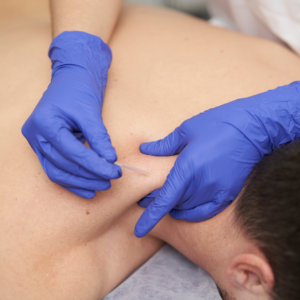
IMS uses needles that are very similar to acupuncture but may be slightly thicker (.3mm vs .25mm) and can be inserted deeper into the muscle tissue. IMS targets trigger points or “knots” within muscles. You should feel a deep ache or a twitching sensation as the practitioner moves the needle up and down through the tightened band of muscle. This technique elicits a twitch response from the muscle, releasing tension.
Acupuncture needles, on the other hand, are slightly thinner and shorter, designed for minimal discomfort. Acupuncture aims to balance energy flow (qi) by inserting needles at precise points along the body’s meridians, offering a gentle therapeutic experience. The needles typically remain in place for the whole session. Gentle manipulations may accompany them to enhance the treatment’s energy-balancing effects.
Patient Experience of Pain or Discomfort Between IMS and Acupuncture
The experience of receiving IMS can be more intense due to the focus on eliciting muscle twitches. This might result in brief, acute discomfort when the needle hits a trigger point, often followed by immediate relief as the muscle relaxes.
Acupuncture aims for a relatively painless insertion, with patients sometimes not feeling the needle. Patients generally describe the experience as deeply relaxing, with occasional mild sensations of tingling or heaviness around the needle sites.

Practitioner Profiles
Practitioners of IMS are usually trained physiotherapists with specific certifications in this technique. They have a solid anatomy, physiology, and pathology background, applying this knowledge to identify and treat specific musculoskeletal issues through IMS.
Acupuncturists undergo extensive training in traditional Chinese medicine, including the theory of Qi, meridians, and the holistic view of the body. In British Columbia, acupuncturists need licensure to meet professional standards for safe, effective treatment.
Similarities Between Acupuncture and IMS
Despite their differences, both therapies share common ground in their holistic approach to health, focusing on treating the body as a whole rather than isolated symptoms.
- Pain Management: Both are effective in managing various types of pain, from musculoskeletal issues to chronic headaches and stress-induced discomfort.
- Holistic Approach: They view health and wellness comprehensively through the lens of energy flow and balance in acupuncture or muscle function and nerve health in IMS.
- Individualized Treatment: Treatments are highly tailored, with practitioners adjusting their approach based on each patient’s unique condition and needs.

Conclusion
While IMS and acupuncture both offer benefits for various conditions, the choice between them comes down to individual needs and treatment goals. IMS often suits those with specific, localized muscle pain seeking relief with a foundation in Western medical principles. Acupuncture might appeal more to those looking for a holistic approach to wellness, encompassing physical, mental, and emotional health.
Before deciding, consult with professionals in both fields to discuss your concerns and treatment expectations. With knowledge and professional advice, you’ll be better placed to choose the therapy that best aligns with your wellness path.
Written by: DeVera Nybo, MBA, Owner Newleaf Total Wellness Centre

Conditions We Treat
Chronic pain—a phrase that millions of people across the globe know all too well. Chronic pain is not just a symptom. It’s a constant companion that affects every aspect of life. But what if there were ways to manage and potentially reduce this pain? What if you could address root causes instead of masking pain with medication? This blog post will explore the nature of chronic pain, its causes, and holistic approaches to treatment that go beyond traditional medicine.
Understanding Chronic Pain
Chronic pain is pain that persists for more than three months, often despite medication or treatment. It can stem from various conditions, including arthritis, back problems, migraines, or countless other health issues. Unlike acute pain—a body’s method of signalling harm—chronic pain can linger long after the injury has healed. Chronic pain hints at the complex interplay between the body and the brain.
The Terrible Triad: Suffering, Sleeplessness, Sadness
Chronic pain often brings along unwelcome companions—suffering, sleeplessness, and sadness, forming a ‘terrible triad‘. This triad creates a vicious cycle where pain worsens sleeplessness and sadness, which in turn can increase the perception of pain. Understanding this interconnection is crucial in managing chronic pain effectively.

The Brain’s Role in Chronic Pain
The brain plays a pivotal role in the perception and variation of pain. It acts as the central processing unit where pain signals are interpreted and experienced. Far from being a simple response to physical injury, pain involves complex exchanges between neural pathways. When an injured part of the body pain sends a pain signal, it travels through the nervous system to the brain. Here, the thalamus, cortex, and limbic system, analyze the signal, and process pain’s emotional and cognitive aspects.
This means that your emotional state, cultural background, and earlier experiences can significantly influence how you feel and manage pain. Furthermore, the brain can lessen the perception of pain by releasing natural painkillers, such as endorphins. The brain plays a critical role in the perception of pain and the body’s ability to suppress it. Understanding the brain’s role in pain perception opens avenues for new pain management strategies. Incorporating strategies that target neural systems, offers hope for chronic pain sufferers.
Seeking Natural Relief for Chronic Pain
For those who have been through the wringer of medical treatments and are wary of the side effects of traditional pain medications, there’s hope in natural therapies. These treatments aim to relieve pain and restore overall well-being.
Physiotherapy
Physiotherapy offers a pathway to improved quality of life through expert-led, personalized treatment plans. This science-backed approach addresses the discomfort and dives into the root causes of chronic pain. By integrating various techniques, from manual therapy to tailored exercise programs and education on body mechanics, physiotherapy empowers individuals with the tools they need to manage their pain effectively. It’s about more than symptom relief; it’s about fostering a partnership between patient and therapist to build a foundation for a more active and pain-free lifestyle. Through an empathetic and educational lens, physiotherapy helps patients understand their body and take proactive steps towards health.

Chiropractic Care
Chiropractic care is both holistic and non-invasive. At the heart of this practice is a profound understanding of the body’s intricate systems and how they can be harmonized for health. Chiropractic treatments can alleviate pain by improving the functional mobility of the joints and spine, reducing nerve irritation. This method addresses the symptoms and targets the underlying issues, fostering a healing environment within the body. If you need a break from the relentless grip of chronic pain, chiropractic care offers a promise. Chiropractors help patients reclaim control over their well-being, emphasizing the body’s innate ability for self-healing and resilience.
Acupuncture
Acupuncture involves the insertion of ultra-thin needles into specific points on the body. Researchers believe this technique stimulates the nervous system and activates the release of the body’s natural painkillers. For many sufferers of chronic conditions, such as arthritis, back pain, and migraines, acupuncture offers a pathway to relief without the reliance on pharmaceuticals. By engaging the body’s healing mechanisms, acupuncture reduces pain and improves overall well-being. It’s a testament to the power of integrating traditional healing practices with modern medical understanding, empowering individuals to explore alternative, non-invasive options for pain management.

Manual Osteopathy
Manual Osteopathy is a hands-on approach to healthcare emphasizes the body’s innate ability to heal, focusing on restoring balance and promoting overall wellness. Practitioners engage with the body’s structure and function to alleviate pain and enhance mobility. This method addresses the symptoms and dives deep to find and treat the root causes of pain. By adopting a holistic perspective, osteopathy empowers individuals, offering them a pathway to reclaim their quality of life without relying solely on medication.
Naturopathic Medicine
Naturopathic doctors are playing an increasingly pivotal role in the lives of those suffering from chronic pain, where traditional medicine often reaches its limits. By considering the entire individual—physically, emotionally, and mentally—naturopathy seeks to ease symptoms, identify and treat the root causes of pain. This method differs from the conventional model, focusing on symptom management often through pharmaceuticals, which can sometimes lead to dependency or unwanted side effects. Through personalized treatment plans that may include dietary changes, herbal medicine, physical therapies, and stress reduction techniques, naturopathic doctors empower patients to take charge of their health and well-being.

Massage Therapy
Massage therapy goes beyond mere relaxation, targeting the root of pain to foster healing and provide relief. By improving circulation, massage therapy helps the body’s natural recovery process, nourishing tissues starved of nutrients and oxygen due to prolonged tension and inflammation. Furthermore, it plays a crucial role in releasing endorphins, the body’s natural painkillers. Significantly, it also aids in reducing stress and anxiety, which are often intertwined with chronic pain. Through skilled manipulation of muscles and tissues, massage therapy alleviates discomfort. It empowers individuals to engage more fully in their daily activities, improving their quality of life.
Counselling
Psychotherapy and hypnotherapy can address the emotional and psychological aspects of chronic pain, breaking the cycle of the ‘terrible triad.’ Chronic pain is a complex and multifaceted condition, changing the physical body and the emotional and psychological well-being of those affected. Counselling offers a vital lifeline, providing strategies and support to help individuals cope more effectively with their pain. It goes beyond symptom management, addressing the profound emotional strain that chronic pain can impose. Through counselling, patients learn resilience-building techniques, mindfulness practices, and cognitive-behavioural strategies, empowering them to reclaim their lives from the clutches of pain.

Nutritional Counselling
For individuals grappling with chronic pain, the search for relief often leads down various paths, from medication to physical therapy. Yet, one avenue that may not be immediately obvious is nutritional counselling. Healthcare professionals are increasingly recognizing that our food can profoundly affect our body’s inflammatory processes and pain response. By working with an expert who understands the complex relationship between diet and chronic pain, sufferers can learn how to make informed dietary choices.
Food is medicine. Certain foods help reduce inflammation, enhance healing, and alleviate some of the discomfort associated with chronic conditions. This method does not stand as a solitary solution but rather complements other treatments, offering a holistic strategy to empower individuals to control their health and well-being. Through education and personalized guidance, nutritional counselling is vital in managing chronic pain, underscoring the significant role that diet plays in our overall physical health.
A Personal Journey of Managing Chronic Pain
Consider the story of a 70-year-old woman who walked into Newleaf Total Wellness Centre, lost and overwhelmed by three decades of chronic pain. After her physician left his practice and closed his clinic, she was suffering from medication withdrawals, and was desperate for a new approach. At Newleaf, she found a team ready to listen and tailor a comprehensive plan to address her pain holistically. Today, she enjoys a clearer mind and a more manageable pain level, proving it’s never too late to seek help and regain control over one’s life.

How Newleaf Can Help Combat Chronic Pain
At Newleaf Total Wellness Centre, we understand that every chronic pain sufferer’s story is unique. Our interdisciplinary approach, founded on patient-centred care, combines various treatments to help our patients become stronger, braver, and better. Whether at the beginning of your pain management journey or seeking alternative therapies, our team guides you toward a higher quality of life. It doesn’t matter where you start. Take the first step, and we will guide the ones that follow.
If you or someone you know is struggling with chronic pain, remember there is hope. Holistic approaches to pain management can offer relief and a pathway to a more vibrant, fulfilling life. Book a consultation to learn more.
Written By: DeVera Nybo, MBA, Owner, Newleaf Total Wellness Centre

Therapy Options Explained
In British Columbia, accessing healthcare has become a growing challenge for many residents. A staggering 59% report difficulties finding a family doctor, and many of these individuals are on waiting lists for a week or more. The average wait at a walk-in clinic has now reached 58 minutes, which is more than double the national average. Patients presenting with increasingly complex conditions, compound this issue, making a multifaceted approach to healthcare necessary. Enter paramedical services.
Amid ongoing healthcare difficulties, preventative medicine and paramedical services stand out as a source of optimism. The impact these services have in lightening the load on the healthcare system is enormous. Adopting preventative care tactics makes it possible to lessen the need for medical treatments.
By preventing diseases before they occur, we can alleviate the strain on our healthcare system and improve the quality of life for countless individuals.
Paramedical Services: Allies in Prevention
Paramedical services are instrumental in the preventative care framework. Services such as physiotherapy, chiropractic care, nutritional counselling, and acupuncture enhance recovery and well-being and often circumvent the need for more extensive medical interventions. Additionally, they embody a holistic view of healthcare, emphasizing the importance of treating the whole individual rather than focusing solely on symptoms. Early engagement with these services can significantly reduce hospital admissions and the demand for emergency departments.
- Physiotherapy helps prevent musculoskeletal issues and enhances mobility, fostering quicker recovery from injuries or surgeries.
- Chiropractic Care emphasizes spinal health and pain management, potentially reducing the necessity for pain medication and invasive treatments.
- Nutrition Counseling provides education on healthy eating habits and managing and preventing chronic conditions like diabetes and heart disease.
- Psychology and Counseling services play a pivotal role in crisis prevention, stress management, and promoting overall mental health.
- Massage Therapy and Acupuncture offer pain relief, reduce stress, and contribute to overall health, complementing conventional treatments
- Naturopathic Doctors can recommend and prescribe essential nutrients like vitamin B12 and folate, which play a crucial role in wellness. Deficiencies in such nutrients can lead to significant health complications, underscoring the importance of a proactive approach to health that prioritizes nutrition, exercise, and stress management.
The Path Forward
Our healthcare system faces unprecedented challenges and clearly requires innovative solutions. Preventative medicine, underscored by the vital contributions of paramedical services, represents a promising avenue toward a sustainable future in healthcare. Collaborative efforts between primary care providers, specialists, and community-based services are crucial in streamlining care, preventing hospital readmissions, and optimizing the utilization of resources.
Educating the public and advocating for integrated healthcare models can shift the reactive to proactive health management paradigm. By emphasizing prevention, early intervention, and collaborative care, we can address the underlying factors driving the healthcare crisis and forge a healthier, more resilient society.
The Newleaf Total Wellness Centre stands at the forefront of this crucial endeavour, embodying the principles of interdisciplinary collaboration and preventative care. Together, we can transform the healthcare landscape in British Columbia and beyond, ensuring a more robust, healthier future for all. Book an appointment to see what a difference our services can make for you.
Written By: DeVera Nybo, MBA, Newleaf Total Wellness Centre

Conditions We Treat
Experiencing numbness, tingling, or burning in your extremities can be discomforting and, at times, alarming. Often called “pins and needles,” these sensations can occur for various reasons, from sitting in one position for too long to more serious underlying health conditions. At Newleaf Total Wellness Centre, we understand the complexities of these symptoms and advocate for a comprehensive, patient-centred approach to diagnosis and treatment.

Numbness, Tingling and Burning OR Pins and Needles
Pins and needles, medically referred to as paresthesia, can range from mild and intermittent to severe and chronic, influencing the quality of life. The origins of these sensations are diverse, from poor circulation to certain neurological diseases. Given this variety, a multidisciplinary approach is often the key to unlocking effective treatment strategies and long-term relief.
- Nerve compression: Prolonged pressure on a nerve, as experienced when sleeping on an arm all night, can lead to temporary numbness and tingling.
- Neuropathy: Damage to nerves, often from conditions like diabetes, can cause chronic symptoms.
- Circulatory issues: Poor blood circulation can make your limbs feel cold and numb or even lead to a burning sensation.
- Nutrient deficiencies: Lack of vitamins like B12 can affect nerve health and contribute to these uncomfortable sensations.
- Injuries: Trauma to nerves, such as from an accident, can result in acute or long-term symptoms.
- Neurological diseases: Conditions like multiple sclerosis or stroke can manifest as numbness or tingling in the limbs.

Dr. David Veltman-Robert, Chiropractor
The Role of Interdisciplinary Care in Resolving Numbness
Given the variety of potential causes, it’s no surprise that a multidisciplinary approach may be necessary. Here’s how specialists from different healthcare streams can contribute:
Chiropractors
Chiropractic care focuses on diagnosing and treating neuromuscular disorders, primarily through manual adjustment or manipulation of the spine. For patients experiencing numbness and tingling, chiropractors can help by relieving pressure on the nervous system, improving spinal movement function, and enhancing nerve communication.
Physiotherapists
Physiotherapy aims at restoring, maintaining, and making the most of a patient’s mobility, function, and well-being. Through a combination of exercises, hands-on therapy, and education, physiotherapists can strengthen the body’s musculoskeletal system, improve circulation, and reduce nerve compression.

Ed Middleton, Physiotherapist
Acupuncturists
Acupuncture, an ancient Chinese medicine practice, involves inserting fine needles into specific points on the body. It stimulates the body’s natural painkillers and increases blood flow. For those experiencing paresthesia, acupuncture can effectively alleviate pain, reduce inflammation, and promote nerve health.
Manual Osteopaths
Manual osteopathy involves using gentle hands-on techniques to restore optimal body function. Osteopaths assess and treat movement restrictions in your body tissues that prevent you from being healthy and fit. Their approach can significantly benefit individuals with numbness and tingling by enhancing blood circulation and decompressing areas around affected nerves.
Finding Relief for Numbness, Tingling and Burning: Simple Steps
While professional help is sometimes necessary, there are simple lifestyle adjustments you can make that may provide relief:
- Regular exercise to improve circulation
- Change positions frequently to reduce nerve compression
- A balanced diet to prevent nutrient deficiencies
- Mindful habits to reduce stress and enhance overall nerve health
However, seeking medical advice is crucial if you’re experiencing persistent, recurring, or severe symptoms.

Recognizing When Numbness, Tingling and Burning is Serious
While experiencing occasional pins and needles is common and usually harmless, persistent or severe symptoms require immediate attention. If you experience paresthesia alongside symptoms such as muscle weakness, difficulty moving, or changes in bowel and bladder function, it’s crucial to seek emergency medical attention. These could be signs of a more severe condition, like a stroke or spinal cord injury.
Taking the First Step
Living with numbness, tingling, and burning in your extremities doesn’t have to be your norm. At Newleaf Total Wellness Centre, we empower our patients through education and proactive and preventative care. By understanding the root cause of your symptoms and leveraging our team’s interdisciplinary expertise, we can create a personalized treatment plan that addresses your unique needs.
Remember, your path to a higher quality of life begins with a single step. If you’re ready to explore how our team can assist you in managing or overcoming pins and needles, we invite you to partner with us. Together, we can work towards achieving your goals for a healthier tomorrow. Book a consultation.
Written by: DeVera Nybo, MBA, Owner, Newleaf Total Wellness Centre
Conditions We Treat
Bursitis is a condition that doesn’t discriminate. Whether you’re an athlete pushing your body to its limits, part of our wiser elderly population experiencing the trials of age, or simply someone going about their daily life, the risk of encountering bursitis is real. But with an understanding of what bursitis entails, its causes, and the treatments available, we can empower ourselves to prevent or manage this condition effectively.
What is Bursitis?
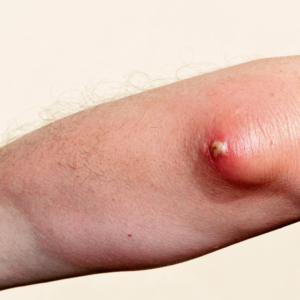
Bursitis is the inflammation of the bursae, tiny, fluid-filled sacs throughout our bodies. These sacs act as cushions, reducing friction between bones and soft tissues and creating smooth, pain-free movement. When these bursae become inflamed, movement can become painful and challenging, affecting your quality of life.
Finding the Causes of Bursitis
Bursitis can result from various activities and conditions that put excessive pressure on the bursae over time. This includes repetitive motions or positions that irritate or pressure the bursae. Athletes, for instance, often get bursitis in joints that perform frequent repetitive motions, such as the shoulder, elbow, or knee.
Age is another factor, as wear and tear on the bursae increase over the years. Additionally, traumatic injuries can cause immediate bursitis, and certain systemic diseases, such as rheumatoid arthritis or gout, can predispose individuals to inflammation of the bursae.
Cures and Treatments
Fortunately, there are multiple routes to alleviating the discomfort of bursitis. Non-prescription anti-inflammatory drugs (NSAIDs) can reduce pain and swelling. Applying ice to the affected area during the first stages of pain can also help manage inflammation.

Acupuncture for Bursitis Relief
Acupuncture is a therapy recognized for its analgesic effects. By targeting specific points based on the location of your bursitis—whether in the hip, knee, or shoulder—acupuncture can reduce inflammation and stiffness while promoting the drainage of excess fluids. This method uses the body’s natural pain-relief mechanisms, including the release of endorphins, to provide significant relief.
Traditional Chinese Medicine (TCM)
TCM practices such as acupressure and Chinese herbal therapy may help combat bursitis. Corydalis Analgesic Tablets, aloe vera, herb plasters, and herbal teas with meadowsweet, horsetail, and willow bark are some treatments used to alleviate pain and inflammation. The personalized combination of these therapies can offer holistic relief from the symptoms.
The Power of Hydrotherapy and Homeopathy
Alternating hot and cold compresses—an easy-to-follow hydrotherapy method—can remarkably help bursitis patients. Homeopathic remedies like Ruta graveolens have also shown promise in easing the discomfort associated with the condition.
Massage Therapy for Bursitis
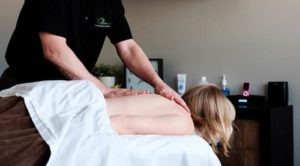
A skilled therapist provides massage treatments to relieve bursitis’s acute and chronic symptoms, especially in the shoulder. Techniques such as gentle Swedish massage strokes, kneading, and trigger point massage reduce inflammation, improve range of motion, and soothe related stress and anxiety. These methods target the pain and encourage healing by increasing circulation and breaking down scar tissue.
Chiropractic Care
Joint manipulation offered by our chiropractic care specialists can loosen soft tissues, restore flexibility, and relieve pressure on the affected bursa. Chiropractic adjustments can provide considerable relief when combined with physiotherapy treatments like ultrasound and shockwave stimulation.

Physiotherapy: The Frontline of Bursitis Management
Typically, the first approach to managing bursitis involves physiotherapy. This non-invasive treatment focuses on strengthening the muscles surrounding the affected joint, alleviating pain and preventing future occurrences. Physiotherapy exercises, tailored to individual needs, play a crucial role in recovery, often spanning approximately 4 to 6 weeks. Your physiotherapist may prescribe specific exercises to prevent bursitis from progressing to more severe conditions like frozen shoulder syndrome.
Corticosteroid Injections: A Closer Look
Your doctor may recommend corticosteroid injections if other treatments do not fully resolve your symptoms. Esteemed for their ability to provide rapid relief from pain by reducing inflammation, these injections are particularly effective in treating conditions like trochanteric bursitis, commonly seen in older adults. However, it’s important to note that the benefits of corticosteroid injections tend to be temporary, and excessive use might lead to tissue damage.
The Balance Between Immediate Relief and Long-Term Health
It’s crucial to understand that corticosteroid injections offer quick pain relief but don’t address bursitis’s root cause. This is where the expertise of our interdisciplinary team at Newleaf Total Wellness Centre becomes invaluable. We emphasize a holistic approach, combining immediate relief methods with long-term rehabilitation through physiotherapy. This blend aims to improve joint function, enhance muscle strength, and correct posture and ergonomic issues, paving the way for sustainable healing.

An Individualized, Collaborative Approach
Our treatment plans are highly personalized, recognizing the unique nature of each case of bursitis. We consider a range of factors, including the severity of symptoms, patient preferences, and overall health, ensuring that we address every aspect of your condition. Collaboration is at the heart of our practice; physiotherapists work closely with specialists such as orthopedic doctors, rheumatologists, and pain management experts to ensure comprehensive care.
Understanding Bursitis Prevention
The key to preventing bursitis is minimizing the stress placed upon your joints—a critical consideration for athletes, professionals, or individuals whose daily activities involve repetitive motions. Here are essential strategies to incorporate into your routine to shield your joints from undue strain:
- Employ Proper Techniques
Applying the correct techniques is fundamental whether you’re engaging in sports or repetitive work tasks. This might include adjusting your posture or changing your approach to physical activities to distribute pressure more evenly across your joints.
- Incorporate Regular Breaks
Taking regular breaks during prolonged activity helps alleviate pressure on the bursae. Short rest intervals can be remarkably effective in preventing the onset of bursitis by giving your joints time to recover from continuous stress.
- Strengthen Supporting Muscles
Exercises tailored to bolster muscle groups relevant to your daily activities can support your joints. By strengthening these muscles, you enhance your overall physical health and reduce the burden on your joints, mitigating the risk of developing bursitis.
- Maintain a Healthy Weight
Extra weight can exert added pressure on weight-bearing joints, such as the knees and hips, increasing the likelihood of bursitis. Maintaining a healthy weight through balanced nutrition and regular exercise minimizes this risk.
- Opt for Anti-inflammatory Nutrition
Inflammation is a core part of bursitis, so making dietary choices that fuel or fend off inflammation is incredibly impactful. Working with a holistic nutritionist to develop meal plans that avoid inflammatory foods while being enjoyable and sustaining can play a pivotal role in preventing bursitis. Tailored nutrition supports joint health and helps your overall wellness.
Conclusion
In wrapping up our comprehensive discussion on bursitis, it’s clear that this condition touches many lives, irrespective of age or lifestyle. However, our knowledge about bursitis—its causes, treatments, and preventive measures—illuminates a path forward that can help manage and even prevent this painful condition.
At Newleaf Total Wellness, we believe in empowering our clients with knowledge and offering a multidisciplinary approach to treatment that addresses the root causes, not just the symptoms. Bursitis, though common, doesn’t have to be a condition that limits your quality of life. Individuals can return to daily activities comfortably and efficiently with the right approach, guidance, and care.
Remember, every step to understanding and caring for your body is a step towards a healthier, more active life. We’re here to support you on that journey, providing the expertise and care needed to move beyond pain and toward optimal well-being. If you are suffering with bursitis, book an appointment at Newleaf today!
Disclaimer
The content on the Newleaf Total Wellness Centre blog, including insights on various holistic health practices, serves purely educational purposes. Before adopting any new health regimen, including treatments or herbal remedies mentioned here, consult with a healthcare professional to ensure it’s suitable for you. Our blog does not substitute for professional medical advice, diagnosis, or treatment. We encourage meaningful discussions with your healthcare provider to secure the best care for your well-being.

Chronic Conditions & Holistic Health
Spring is in the air, and with it comes the blossoming of our favourite flowers, the greening of the trees, and, for many of us, a less welcome arrival—the season of allergies. You’re not alone if you find yourself amidst a chorus of sneezes, itchy eyes, and endless sniffles. While over-the-counter medicines have been a go-to for many, some allergy sufferers find these remedies less effective over time. Before resigning to a season of discomfort, consider exploring alternative medicine, which may offer new hope for your seasonal woes.

The Changing Tides of Allergy Relief
Allergy season can seem like an annual battle for those sensitive to pollen and other environmental triggers. At times, the medications that once granted relief don’t seem up to the task anymore. This is where alternative healthcare approaches come in. It offers novel methods to ease allergic reactions by addressing the body as an interconnected system rather than just treating symptoms.
Acupuncture: A Point in the Right Direction for Allergy Sufferers
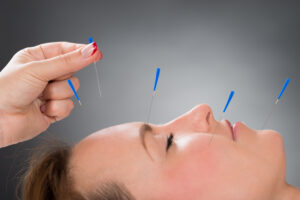
Acupuncture’s role in allergy care garners increasing recognition as a substantial body of clinical research confirms its benefits. Applying fine needles at precise acupoints stimulates the body’s healing processes, gently urging it toward equilibrium. This ancient practice has transcended time, offering a holistic alternative that complements modern medicine. Particularly for those grappling with seasonal allergies, studies show acupuncture can reduce inflammatory markers, enhance pulmonary health, and fortify the immune system. These attributes make acupuncture a plausible choice and a profoundly impactful one in our continuous quest for well-rounded allergy management.

Considering the pivotal role that gut health plays in our overall wellness, naturopathic medicine emphasizes dietary modifications as a foundational step to a balanced immune system. A significant component of our immune defence is in the gastrointestinal tract, so it makes sense that a healthy microbiome can influence our immune resilience.
Incorporating probiotics into one’s diet through supplementation or fermented foods is a research-backed strategy for enhancing gut flora diversity and functionality. This bolstering of the microbiome can profoundly affect the body’s immune responses, particularly regarding allergies, often resulting in reduced severity of symptoms.
Comprehensive allergy testing is an integral part of this whole-person approach. Individuals can more precisely tailor their lifestyle and dietary choices by identifying specific allergens. For instance, quercetin, a natural compound found in many fruits and vegetables, has been known for its antihistamine properties. Meanwhile, vitamin C acts as a natural antihistamine and immune system booster.
Talking to a knowledgeable naturopathic doctor can help you manage your allergy symptoms naturally. By picking the right supplements and keeping your gut healthy, you can take care of your health in a lasting and balanced way.
Manual Osteopathy: Breathing Easier Through Allergy Season
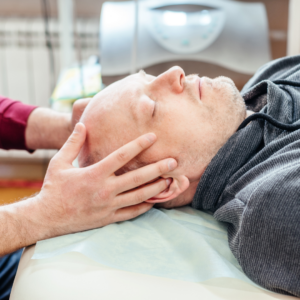
Osteopathy offers a unique approach to health care that views the body as an interconnected system. Its techniques address and resolve a myriad of health issues with care and precision. Notably, contemporary research substantiates osteopathy’s effectiveness in enhancing respiratory health, proving especially beneficial for individuals suffering from allergies. Through targeted manipulations, osteopathic practitioners adeptly increase airflow and rib cage flexibility, providing substantial relief from constricting symptoms like nasal congestion and chest tightness.
Incorporating osteopathic care into an allergy management plan has gives comprehensive relief, complementing conventional treatments. By improving the structural integrity and function of the body, these specialized techniques mitigate the discomfort associated with allergic reactions. It is this constructive collaboration of osteopathic practices with traditional methodologies that empowers allergy sufferers to breathe easier and live more comfortably. The strength of osteopathy lies in its ability to not only alleviate specific symptoms but also to bolster the body’s natural healing mechanisms, affording patients a more dynamic path towards wellness.
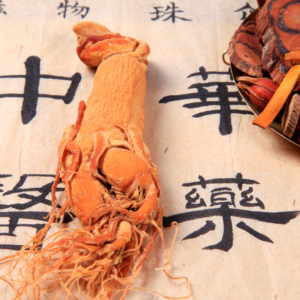
The Traditional Chinese Medicine (TCM) framework, views allergies as a pivotal signal from the body, indicating deeper disharmony. TCM suggests that the root of allergic responses lies in the dysfunction of qi, or vital energy, particularly within two critical organs – the lungs and spleen. The lungs, in TCM, serve as the first line of defence against external pathogenic factors playing a vital role in the immune response. Strong lung qi implies a robust shield against allergens, minimizing the likelihood of hypersensitive reactions. Conversely, when lung qi is weak, the body’s ability to filter out pollen, dust, and other allergens diminishes, exacerbating allergy symptoms.
Furthermore, the spleen in TCM is associated with the digestive system and the transformation of food into energy and nutrients. A well-functioning spleen contributes to the production of healthy qi and bodily fluids. However, spleen qi deficiency can lead to an accumulation of dampness and phlegm, creating an environment where allergies can thrive. This interconnection illustrates why TCM stresses the importance of holistic healing, focusing on bolstering the lung and spleen qi. Practitioners achieve this through acupuncture, herbal remedies, and dietary modifications. By targeting these specific qi deficiencies, TCM aims to rectify the underlying imbalances, thus providing a long-term solution to allergy sufferers and enhancing overall well-being.

A diet amply furnished with specific nutrients can shield against the attack of allergy symptoms. The scientific community has long recognized omega-3 fatty acids, particularly fish oil, as protection against inflammation. Inflammation often worsens allergic reactions, particularly those related to respiratory conditions like asthma. The anti-inflammatory properties of these essential fats are well-documented in numerous studies, underscoring the importance of integrating them into daily nutrition.
Furthermore, curcumin—a compound that lends turmeric its vibrant hue—has attracted much attention in medical research for its potential to manage and mitigate allergic reactions. Its value stems from its ability to suppress various biological pathways involved in inflammation, offering a complementary approach to allergy management. Adopting these natural, nutrient-based strategies represents a wise and proactive approach for those seeking to reinforce their body’s defence against allergies.
A holistic nutritionist’s personalized approach to combating allergies through food is worth recognizing. Tailoring meal plans to suit individual health needs and preferences, they can curate a selection of foods that provide benefits and enjoyment. A nutritionist’s expertise extends to selecting ingredients that match your taste palate and dietary restrictions, ensuring that your path to wellness is as pleasant as it is effective. Through careful planning and consideration, you can redefine your relationship with food as you empower yourself in the fight against allergies.
In Conclusion
While there’s no one-size-fits-all solution for managing allergies, alternative medicine presents assorted options. From meridian lines of acupuncture to the gut-immune collaboration and nutritional wisdom, these avenues hold the potential for achieving seasonal relief and improved overall health. Remember to book an appointment to consult a healthcare professional before beginning any new treatments, and may this season bring you more blooms and fewer sneezes.
Written By: DeVera Nybo, MBA, Owner, Newleaf Total Wellness Centre
Women's and Children's Health
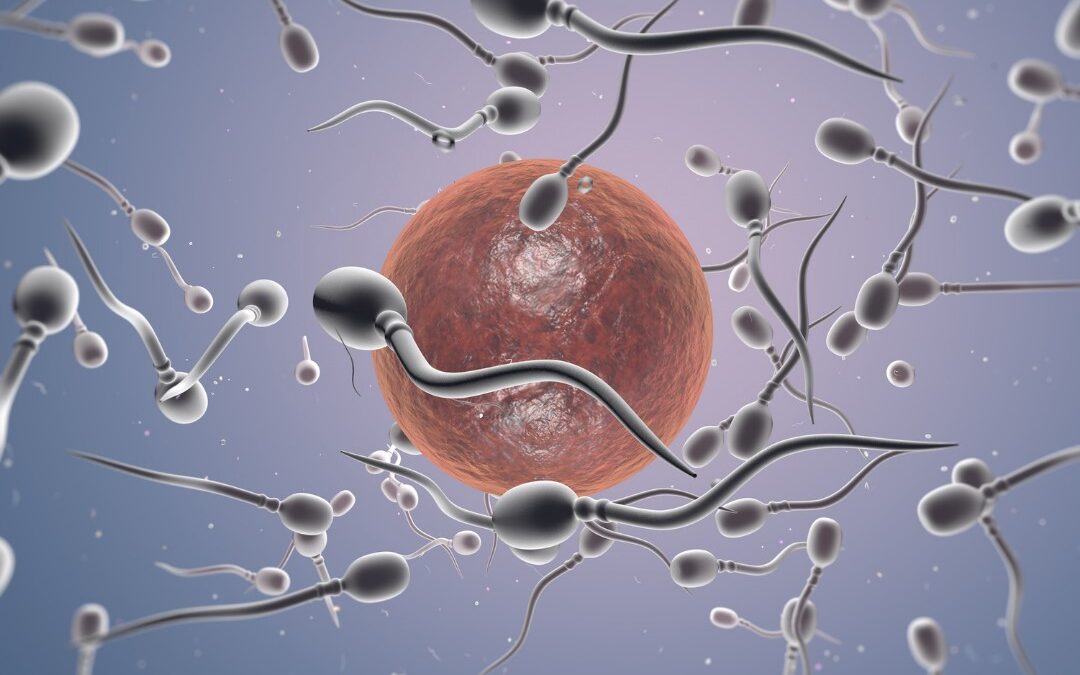
Fertility can be a complex and deeply personal matter for many women. While the road to conception can be straightforward for some, others may face a labyrinth of challenges. For those seeking alternative pathways to pregnancy, holistic fertility treatments offer hope. They advocate for a gentle and natural approach to this intimate voyage. The quest for motherhood is as old as humanity, yet it remains one of modern society’s most pressing concerns. The ability to conceive, often taken for granted, can be an elusive dream for many women. Amidst this landscape, holistic treatments are becoming beacons of light, pointing toward a more natural and integrative way to nurture fertility. Here, we will explore the potential of holistic interventions and how they might assist those on their conception journeys.
Understanding Holistic Fertility Treatments
Holistic fertility treatments stand apart from conventional methods through their emphasis on treating the whole person. This philosophy looks beyond traditional practices and may be an excellent addition to hormonal injections and IVF. Focusing on natural remedies and lifestyle alterations catering to physical, emotional, and spiritual health empowers women to participate actively in their fertility journey.
Acupuncture and Fertility
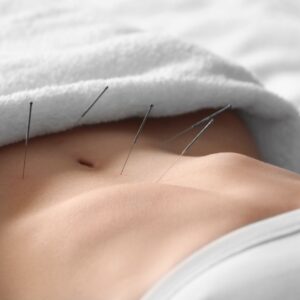
Acupuncture is a time-honoured foundation of traditional Chinese medicine. It has emerged as a celebrated modality in Western healing practices, particularly for its promising role in enhancing fertility. This ancient technique stimulates precise meridians within the body to re-establish equilibrium and promote the natural flow of energy. Scientific studies lend credence to its efficacy. They reveal that acupuncture can increase fertility rates by improving blood flow to reproductive organs, balancing hormone levels, and reducing stress. By integrating this practice, numerous individuals have reported a marked improvement in their reproductive health
This presents an exciting opportunity for individuals seeking to optimize their chances of conception. It also underscores the importance of a holistic approach to reproductive health. As we continue to unravel the mysteries of acupuncture, its place in modern fertility treatments will undoubtedly become more widely recognized. This time-honoured tradition has immense value in enhancing general health, providing optimism and viable options for those facing difficulties with conceiving.

Herbal Medicine’s Role in Conception
Throughout the ages, herbal medicine has been interwoven with our ancestors’ quest for wellness. It offers natural remedies to various conditions, including the delicate process of enhancing fertility. Research has highlighted the encouraging potential of plants like vitex, commonly called chasteberry, for their possible impact on regulating hormones and improving ovulation. Alternative Medicine practitioners believe that red clover, with its phytoestrogenic properties, offers a supportive boost to reproductive health. Furthermore, they celebrate the understated evening primrose oil, rich in omega-6 fatty acids, for promoting cervical mucus quality, thereby facilitating the ideal conditions for conception.
Aligned with empirical wisdom, modern research scrutinizes these claims, striving to quantify their efficacy with scientific rigour. While statistics and conclusive evidence are growing, they require more exploration to endorse these herbs as mainstays in reproductive support.
Amidst this hopeful narrative, a note of caution to consult with all healthcare professionals administering care before integrating herbal remedies into your daily regimen. A Traditional Chinese Medicine practitioner, like Xinling Leng, will understand how herbal remedies interact. Bring your family physician or pharmacist into the loop before committing to herbal medicines to guard against interactions with Western medication. Doing so is a fundamental step that champions safety and personalizes care. Such consultations ensure that potential interactions with present medicines or treatments are carefully considered, honouring your health’s unique tapestry. This partnership between you and your healthcare providers is paramount, underpinning a wellness journey rooted in understanding and respecting ancient remedies and contemporary medical insights.

Diet and Fertility
Our food choices are vitally important for our overall health and reproductive potential. Nourishing your body with a diet abundant in antioxidants, like vitamins E and C found in fruits and vegetables, can protect your cells from damage and support your body’s natural reproductive processes. Lean proteins, such as fish and poultry, offer essential amino acids without the added burden of saturated fats, promoting optimal hormonal balance. Healthy fats, including those from avocados and olive oil, play a crucial role in developing healthy eggs and sperm. Whole grains, rich in fibre, can help regulate blood sugar levels, which are critical for maintaining hormonal equilibrium.
Research suggests that women who follow a diet high in these components experience an increased likelihood of conception. Emerging studies illuminate the profound impact diet can have on fertility. For instance, research published in “The American Journal of Obstetrics and Gynecology” highlights that woman who followed a diet rich in healthy fats, whole grains, and plant-based proteins improved their ovulatory function. Conversely, those who consumed higher levels of trans fats, refined carbohydrates, and animal proteins experienced diminished fertility.
We understand that the path to conception is profoundly personal and sometimes challenging. By providing your body with these vital nutrients and building blocks, you’re taking a proactive step towards creating a welcoming environment for new life and taking control of your health. With a balanced and nourishing diet, you can make positive changes in your reproductive health and support the journey towards growing your family.
Remember that every person’s body is unique, so working with a healthcare professional to find the best dietary plan for your needs and goals is essential. Holistic nutritionists, such as Lindsey Shields, specialize in crafting fertility-boosting dietary plans that consider the singularity of your needs. While the nutritional insights offered here lay a solid groundwork for aspiring parents, a hands-on approach by a professional like Shields, who conducts extensive personal assessments, is indispensable.

Reducing Stress, Boosting Fertility
Stress can significantly affect your health, and this is especially true when it comes to fertility. Studies have found that reducing stress can dramatically increase women’s chances of becoming pregnant, with some research showing as much as a 30% improvement. By bringing calming practices such as meditation and yoga into your life, you can create a more peaceful, balanced state of mind and body that may lead to better fertility outcomes.
However, there are other, perhaps less familiar, ways to manage stress that can also be incredibly effective. Working with a hypnotherapist like Ashlee Bennett might open new doors on your wellness path. This type of therapy can help you discover and change deep patterns of thinking that contribute to your stress, reshaping how your mind works positively. This could be especially helpful for those dealing with anxiety related to infertility.
Similarly, consulting with psychotherapists such as Hedy Anvari allows you to engage in meaningful conversations that provide custom solutions for your mental well-being. Studies show stress and anxiety can reduce fertility. A psychotherapist will guide you through complex emotions and equip you with specialized strategies to overcome stress and anxiety. These experts support you with scientific knowledge and emotional understanding, giving you renewed optimism and strength on your journey toward becoming a parent.

Exercise and Sleep: Unsung Heroes of Reproductive Health
Understanding and nurturing our bodies through regular but gentle exercise and ensuring sufficient, restful sleep is fundamental to our health and deeply connected to fertility. Moderate, low-impact activities such as brisk walking, yoga, or swimming soothe and energize our bodies. But did you know that moderate exercise enhances blood flow, creating a nurturing environment for reproductive health. Studies suggest that women who engage in regular, moderate exercise may experience a 5-20% increase in fertility rates.
Quality sleep, often underestimated, is a pillar of our health, crucially rebooting both body and mind. During these restful hours, our bodies can repair and balance hormones pivotal to conception. Adequate sleep, defined as 7-9 uninterrupted hours per night, has been linked to a balance in the hormones governing ovulation. Getting enough quality sleep enhances the chances of a successful pregnancy.
Both moderate exercise and quality sleep are beneficial habits as they acknowledge and respect our body’s needs. They offer physiological support and a source of empowerment and control in our wellness journeys, reminding us that our daily choices are deeply interconnected with the miracle of conception.
Conclusion
Holistic fertility treatments invite us to rethink the path to pregnancy. They are a testament to the notion that conception is a dance of harmony within our bodies. Women trying to conceive may find solace and success in these natural practices.
We encourage you to open your heart and mind to holistic fertility. Whether it’s acupuncture, a diet tweak, or a new stress-reduction practice, every step toward a natural pregnancy is a stride toward hope.
—
To all the strong women on this path, remember that your story is unique, and so, too, will be your road to motherhood. Keep hope and health at the heart of your quest, and may your pregnancy dreams come to fruition.
Written by DeVera Nybo, MBA, Owner of Newleaf Total Wellness Centre