
Book Online
Frozen Shoulder – How To Regain Your Life Through Mobility

Frozen Shoulder – How To Regain Your Life Through Mobility

Navigating the Chill of a Frozen Shoulder – A Personal Journey to Thawing and Recovery

Frozen shoulder – the term itself may suggest images of arctic calm and stillness. But if you have this condition, you’ll quickly discover the metaphor extends far beyond the peaceful imagery and into a realm of stiffness, discomfort, and an unmistakable freeze on your daily activities.

Living with a frozen shoulder can be an excruciating and disabling experience. This painful condition limits your arm’s range of motion, causing daily activities to become challenging. I understand frozen shoulder intimately, not just as a concept but as a personal battle. If you feel the icy grip of a frozen shoulder, I come bearing warm tidings from my experience. It is possible to melt away the limitations with the right approach.
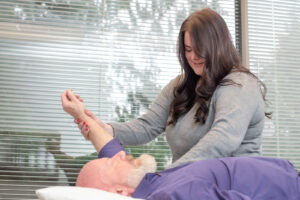
Patient's shoulder being assessed by therapist

Understanding Frozen Shoulder

Frozen shoulder (adhesive capsulitis) is a condition marked by pain, stiffness, and limited range of motion in your shoulder. Symptoms usually begin gradually and worsen over time before a slow thaw begins. If left untreated, the natural recovery might take as long as a glacial two or three years.

The Comprehensive View of Frozen Shoulder article published by PMC explains the complexity of this syndrome, pointing to factors such as systemic inflammation and metabolic imbalances that may contribute to its onset. Additionally, immobility following an injury, conditions like diabetes or thyroid disorders, or even chronic stress are all potential causes. However, no one really knows what causes frozen shoulder.
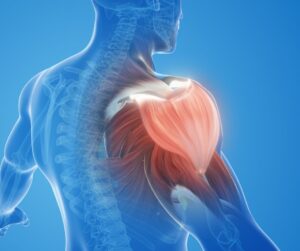
xray type photo showing the shoulder joint, muscle and inflammation associated with frozen shoulder

The Stages of Frozen Shoulder

It typically progresses through three distinct stages, each with its symptoms and challenges. Understanding the stages of frozen shoulder can help you better manage your condition and work towards recovery.

Stage 1: Freezing

During this stage, you may notice severe pain and stiffness in your shoulder that gradually worsens over time. During this stage, any shoulder movement can cause discomfort, with the pain often worsening at night. The range of motion in your shoulder will become more limited, making it difficult to perform everyday tasks such as reaching overhead or behind your back. The pain is typically dull or aching at rest but sharp with movement. It’s important for individuals experiencing these symptoms to seek medical advice, as early intervention can help manage the pain and potentially reduce the duration of this stage. This stage can last anywhere from 6 weeks to 9 months and is characterized by inflammation and thickening of the capsule surrounding the shoulder joint.

Stage 2: Frozen

During the frozen stage, the pain may begin to diminish. Still, the shoulder becomes stiffer, leading to a significant decrease in mobility. The reduction in pain is a somewhat deceptive sign of improvement, as the stiffness remains a substantial barrier to regular activity and function. In this phase, the shoulder may be so stiff that everyday tasks, like dressing, become difficult, if not impossible. It’s crucial to continue with therapy during this time as the focus shifts towards improving the range of motion. Patience and persistence are key, as progress can be slow but is vital for recovery. This stage can last from four to twelve months.

Stage 3: Thawing

The final phase of frozen shoulder is known as the thawing stage, where the stiffness gradually decreases and movement improves. During this period, individuals may notice a slow but steady increase in their range of motion. The pain subsides significantly, allowing for more intensive physical therapy and exercise to regain shoulder function. Staying committed to your rehabilitation plan is essential, as consistency is crucial for full recovery. Despite the challenges faced in the earlier stages, most people return to their normal activities and regain close to, if not complete, shoulder function by the end of the thawing stage, which can last from six months to two years.

Physiotherapist doing a shockwave treatment on a man's frozen shoulder

The Healing Ensemble for Frozen Shoulder

My salvation from this frigid condition arose through the collective expertise of a carefully chosen team. I had a physiotherapist, a chiropractor, a Registered Massage Therapist (RMT), and an acupuncturist working together.

Interestingly, the BC Chiropractic Association suggests core stability plays a fundamental role in injury recovery, including for frozen shoulder. Meanwhile, several studies highlight the role of nutrition in managing inflammation and aiding in hormonal balance. So, adding a kinesiologist, athletic therapist, and holistic nutritionist to your team may also be a good idea.

Physiotherapy for Mobility

With their sophisticated grasp of movement and mechanics, physiotherapists play a crucial role in helping patients with frozen shoulder regain function and reduce pain. Through mobility and strengthening exercises, intramuscular stimulation/ dry needling, manual therapy techniques, and education, physiotherapists can support individuals on their journey towards improved mobility and quality of life. They use techniques like myofascial release, gentle dynamic movement, and joint mobilization. Furthermore, physiotherapy for frozen shoulder often includes modalities such as heat therapy, ultrasound, shockwave, or electrical stimulation to help reduce pain and inflammation in the affected area. These modalities can provide temporary relief from symptoms while working alongside other treatments.

Chiropractor doing treatment on a woman's shoulder

Chiropractic to the Rescue

Chiropractors focus on manipulating the body’s joints to induce healing and improve mobility, all while decreasing pain. Their informed techniques work on restoring joint mobility and treating the surrounding architecture, emphasizing a holistic recovery. These techniques often include mobilization and manipulation of the shoulder joint and the joints in the neck and upper back, which can also become stiff and tight when dealing with a frozen shoulder. Chiropractors use muscle release techniques to help restore proper mobility of the shoulder and surrounding tissue. At the same time, corrective exercises help maintain the range of motion and increase strength and stability within the shoulder. With its focus on improving joint function, reducing inflammation, creating personalized treatment plans, and promoting overall wellness, chiropractic care offers a comprehensive approach to alleviating frozen shoulder symptoms and restoring optimal function in your shoulders.

woman receiving a shoulder massage

The Gentle Touch of Massage Therapy

The path to healing benefits significantly from the relaxing yet deep-reaching techniques a registered massage therapist applies. Their trained hands work wonders, encouraging tight muscles to release their grip and become more flexible. In addition to loosening tight muscles and improving circulation, massage therapy can help reduce stress and promote relaxation.

Chronic pain and limited mobility can take a toll on both physical and mental well-being, leading to increased stress levels. Massage therapy provides a safe space for patients to relax, unwind, and release physical and psychological tension. Furthermore, regular massage therapy sessions can help prevent future flare-ups of frozen shoulder by maintaining muscle flexibility and promoting overall joint health.

patient receiving acupuncture on frozen shoulder

Acupuncture: Ancient Art of Precision

I found this modality indispensable in lessening the throbbing ache. With each targeted insertion, my shoulders experienced minor releases, combining into a cascade of greater movement and relief. Studies show that acupuncture triggers the release of endorphins, which are the body’s natural painkillers. This helps to reduce discomfort associated with frozen shoulder. Additionally, acupuncture can help improve the range of motion in the shoulder joint by promoting relaxation in tight muscles and enhancing blood flow to the area. By targeting key points related to the shoulder joint and surrounding muscles, acupuncture can help reduce pain, increase mobility, and promote healing naturally.

A Resource You Can Count On

At Newleaf Total Wellness Centre, we understand that recovering from frozen shoulder requires a multi-faceted approach. That’s why our team consists of various healthcare professionals who specialize in different areas. With a combination of hands-on therapy from a physiotherapist and RMT and alternative treatments like acupuncture and holistic nutrition, we have it all under one roof.

One of the key benefits of working with Newleaf Total Wellness Centre is the convenience of meeting all your healthcare needs in one place. Instead of running to different clinics for various treatments, you can trust our team to coordinate your care and provide seamless communication between providers. Working with the team at Newleaf will save you time and energy and ensure you receive the best possible care tailored to your needs.

Final Thoughts

Your battle against a frozen shoulder is not one you should fight alone. Armed with patience, the correct information, and an expert team, your recovery need not be an ice age away. Wield these interventions like a torch and blaze a trail toward free movement. Remember, as the stroll toward wellness unfolds, each small victory earned along this expedition is worth celebrating.

Reach out to Newleaf Total Wellness Centre and begin your journey to thaw today.

“Strive for progress, not perfection.” – Every step is progress at Newleaf Total Wellness Centre.

Written By: DeVera Nybo, MBA, Owner/CEO Newleaf Total Wellness Centre
TCM vs Western Medicine: A Simple Explanation Of The Differences

TCM vs Western Medicine: A Simple Explanation Of The Differences

British Columbia regulates Traditional Chinese Medicine (TCM) as an official professional practice. Similarly, the country widely accepts Western medicine as a conventional healthcare approach. While both practices aim to deliver effective patient care, there are differences to expect when seeing a TCM practitioner compared to a Western medical doctor.

Treatment Philosophies of TCM and Western Medicine

One of the significant differences between Traditional Chinese Medicine and Western medicine lies in the treatment philosophy. TCM practitioners evaluate the patient’s body as a whole, considering their physical, mental, and emotional states. In contrast, Western medicine focuses on symptoms and aims to treat them with targeted medications or interventions. Traditional Chinese Medicine practitioners use natural remedies and techniques such as acupuncture, cupping, herbal medicine, and lifestyle changes to help the body heal from within. Meanwhile, Western medical doctors follow a science-based approach and prescribe medications, surgeries, and other conventional treatments to cure illnesses and diseases.

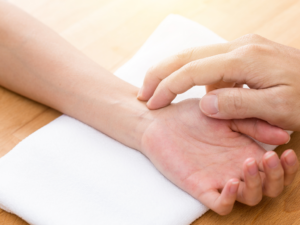
TCM taking patient's pulse

Diagnostic Techniques of TCM and Western Medicine

TCM practitioners use various manual diagnostic techniques to establish a patient’s underlying pathologies, including assessing the pulse, tongue, and body temperature. Traditional Chinese Medicine practitioners often diagnose invisible blockages in the flow of Qi, which is the life energy within the body. Western medical doctors’ diagnoses typically involve laboratory tests, imaging scans, and physical exams to detect specific diseases or ailments.

Timeframe and Treatment Length

Western medicine often offers quick-fix solutions to address symptoms and illnesses. In contrast, TCM practitioners take a more holistic approach, focusing on preventative care. Their treatment plans aim to strengthen the body over time, addressing the underlying causes of ailments and improving patients’ overall well-being. Traditional Chinese Medicine treatments, such as acupuncture and herbal medicine, typically involve multiple sessions spread out over time. This duration can range from a couple of weeks to several months.

TCM Chinese Herbal Medicine and Western Pharmaceutical Medicine

Medications

Traditional Chinese Medicine practitioners use natural remedies, including herbs, minerals, and animal parts, which they prescribe in the right combinations to treat various ailments. However, natural remedies may have side effects and possible allergic reactions. In contrast, Western medical doctors use drugs that have undergone clinical trials, regulated by the pharmaceutical industry. These drugs may also have significant side effects and may interact with other medications.

Safety and Health Concerns 

Safety and ethical concerns often arise with TCM practitioners due to their traditions, methods, and approach. However, the BC College of Traditional Chinese Medicine Practitioners & Acupuncturists oversee and regulate Traditional Chinese Medicine in British Columbia. Similarly, Western medicine may also come with risks, such as complications from surgery, side effects from medication, and infections from hospital care.

Researcher

Conclusion

Traditional Chinese Medicine and Western medicine are two different approaches to healthcare with varying philosophies, diagnostic techniques, treatment lengths, medications, safety, and health concerns. Patients should always do their research and ask questions when seeking healthcare options.

If you have more questions about TCM, book a free consultation with Gloria.

Written By: DeVera Nybo, MBA, CEO/Owner, Newleaf Total Wellness Centre.

The Many Uses of Acupuncture

The Many Uses of Acupuncture

Acupuncture Benefits for Pain, Allergies, and Stress

There’s a way for your body to feel as healthy and nimble as ever — and it starts with a gentle touch and a small poke. Acupuncture benefits go far beyond pain relief. From easing workplace anxiety to reducing household stress and chronic body aches, this ancient therapy is gaining popularity for good reason.

Acupuncture is a form of alternative medicine that promotes healing and balance by placing thin needles at strategic points on the body. With consistent treatment, many patients report feeling stronger, calmer, and more energized.


Acupuncture Benefits for Allergy Relief

If you struggle with seasonal allergies or hay fever, acupuncture may offer surprising relief. By regulating the chemicals that trigger allergic reactions, acupuncture helps boost your immune system and reduce symptoms like congestion, sneezing, and itchy eyes.

Many patients say they can finally stop and smell the flowers — literally — after regular acupuncture sessions.

Pain Relief Through Acupuncture

Acupuncture benefits are especially noticeable for those dealing with chronic pain. Whether it’s joint discomfort, migraines, or muscle tension, acupuncture helps restore energy flow and reduce inflammation. By targeting specific pressure points, this minimally invasive therapy can unlock tight areas and improve mobility.

Patients often report dramatic improvements — from bending stiff knees with ease to sleeping soundly after years of discomfort.


Mental Clarity and Stress Reduction

Acupuncture doesn’t just treat the body — it supports the mind. By slowing the release of stress hormones, acupuncture helps you feel calmer, more focused, and better rested. Many patients experience improved sleep, reduced eye strain, and a clearer headspace for days after treatment.

Experience Acupuncture at Newleaf Wellness

There’s never been a better time to explore acupuncture benefits. At Newleaf Wellness Centre in Abbotsford, our expert practitioners provide safe, personalized care in a warm and welcoming environment. Whether you’re seeking relief from pain, allergies, or stress, we’re here to help you feel your best.

Have questions or want to book an appointment? Contact us today and discover how acupuncture can restore balance and vitality from the inside out.


The Effect of the Emotions on the Mind and Spirit 

The Effect of the Emotions on the Mind and Spirit 

Emotional health in Chinese medicine

plays a vital role in maintaining balance between the mind, spirit, and body. Emotions are natural mental stimuli that influence our lives—but when they become excessive or prolonged, they can disrupt internal harmony and lead to disease. While everyone experiences anger, sadness, worry, or fear, Chinese medicine teaches that emotional health depends on how we process and regulate these feelings.

When Emotions Become Pathological

In Chinese medicine, emotions only cause disease when they are excessive or long-lasting. A brief moment of anger or sadness is normal and harmless. However, chronic emotional strain—such as years of resentment or persistent anxiety—can disturb the mind and damage internal organs.

Emotional health in Chinese medicine is deeply connected to organ function. Each organ holds a specific type of mental energy. When external triggers overwhelm this energy, it transforms into negative emotion. For example, anger affects the Liver because its Qi naturally rises and expands—just like the explosive nature of rage.

The Seven Emotions and Their Organ Connections

Chinese medicine identifies seven key emotions that influence organ health:

  • Anger affects the Liver
  • Joy affects the Heart
  • Worry affects the Lungs and Spleen
  • Pensiveness affects the Spleen
  • Sadness affects the Lungs and Heart
  • Fear affects the Kidneys
  • Shock affects the Kidneys and Heart

Anger and the Liver

Anger includes frustration, resentment, and bitterness. When prolonged, it causes Liver Qi stagnation or Liver Fire. Symptoms include headaches, dizziness, red face, and bitter taste. The healthy counterpart of anger is creativity, kindness, and forgiveness.

Joy and the Heart

Excessive joy—like overstimulation or craving—can enlarge and overstimulate the Heart. This leads to insomnia, restlessness, palpitations, and a red tongue tip. Balanced joy manifests as contentment and emotional warmth.

Worry and the Lungs/Spleen

Worry knots Qi and affects both the Lungs and Spleen. Lung-related symptoms include chest tightness and dry cough. Spleen-related symptoms include poor appetite and fatigue. Healthy worry transforms into focus and mental clarity.

Pensiveness and the Spleen

Pensiveness involves overthinking and rumination. It disrupts Spleen Qi and mirrors the effects of worry. Its positive counterpart is mindful reflection and meditation.

Sadness and the Lungs/Heart

Sadness and grief deplete Qi, leading to fatigue and chest stagnation. Over time, this can impair circulation. Balanced sadness becomes hope and inspiration.

Fear and the Kidneys

Fear causes Kidney Qi to descend, leading to symptoms like incontinence or diarrhea. Chronic fear may also stem from Liver-Blood or Gallbladder deficiency. Healthy fear becomes resilience and quiet strength.

Shock and the Heart/Kidneys

Shock scatters Qi and weakens both the Heart and Kidneys. It may cause palpitations, insomnia, dizziness, and night sweats. The antidote is grounding and emotional recovery.

Balancing Emotional Health in Chinese Medicine

Emotional health in Chinese medicine is not about suppressing emotions—it’s about recognizing them and redirecting their energy toward healing. Each emotion has a healthy counterpart. By cultivating awareness and practicing emotional regulation, we protect both our spirit and our organs.

Richard, Zhang, R TCM.P

Book an appointment with a Traditional Chinese Medicine Practitioner.

Pin It on Pinterest