
Conditions We Treat
Experiencing numbness, tingling, or burning in your extremities can be discomforting and, at times, alarming. Often called “pins and needles,” these sensations can occur for various reasons, from sitting in one position for too long to more serious underlying health conditions. At Newleaf Total Wellness Centre, we understand the complexities of these symptoms and advocate for a comprehensive, patient-centred approach to diagnosis and treatment.

Numbness, Tingling and Burning OR Pins and Needles
Pins and needles, medically referred to as paresthesia, can range from mild and intermittent to severe and chronic, influencing the quality of life. The origins of these sensations are diverse, from poor circulation to certain neurological diseases. Given this variety, a multidisciplinary approach is often the key to unlocking effective treatment strategies and long-term relief.
- Nerve compression: Prolonged pressure on a nerve, as experienced when sleeping on an arm all night, can lead to temporary numbness and tingling.
- Neuropathy: Damage to nerves, often from conditions like diabetes, can cause chronic symptoms.
- Circulatory issues: Poor blood circulation can make your limbs feel cold and numb or even lead to a burning sensation.
- Nutrient deficiencies: Lack of vitamins like B12 can affect nerve health and contribute to these uncomfortable sensations.
- Injuries: Trauma to nerves, such as from an accident, can result in acute or long-term symptoms.
- Neurological diseases: Conditions like multiple sclerosis or stroke can manifest as numbness or tingling in the limbs.

Dr. David Veltman-Robert, Chiropractor
The Role of Interdisciplinary Care in Resolving Numbness
Given the variety of potential causes, it’s no surprise that a multidisciplinary approach may be necessary. Here’s how specialists from different healthcare streams can contribute:
Chiropractors
Chiropractic care focuses on diagnosing and treating neuromuscular disorders, primarily through manual adjustment or manipulation of the spine. For patients experiencing numbness and tingling, chiropractors can help by relieving pressure on the nervous system, improving spinal movement function, and enhancing nerve communication.
Physiotherapists
Physiotherapy aims at restoring, maintaining, and making the most of a patient’s mobility, function, and well-being. Through a combination of exercises, hands-on therapy, and education, physiotherapists can strengthen the body’s musculoskeletal system, improve circulation, and reduce nerve compression.

Ed Middleton, Physiotherapist
Acupuncturists
Acupuncture, an ancient Chinese medicine practice, involves inserting fine needles into specific points on the body. It stimulates the body’s natural painkillers and increases blood flow. For those experiencing paresthesia, acupuncture can effectively alleviate pain, reduce inflammation, and promote nerve health.
Manual Osteopaths
Manual osteopathy involves using gentle hands-on techniques to restore optimal body function. Osteopaths assess and treat movement restrictions in your body tissues that prevent you from being healthy and fit. Their approach can significantly benefit individuals with numbness and tingling by enhancing blood circulation and decompressing areas around affected nerves.
Finding Relief for Numbness, Tingling and Burning: Simple Steps
While professional help is sometimes necessary, there are simple lifestyle adjustments you can make that may provide relief:
- Regular exercise to improve circulation
- Change positions frequently to reduce nerve compression
- A balanced diet to prevent nutrient deficiencies
- Mindful habits to reduce stress and enhance overall nerve health
However, seeking medical advice is crucial if you’re experiencing persistent, recurring, or severe symptoms.

Recognizing When Numbness, Tingling and Burning is Serious
While experiencing occasional pins and needles is common and usually harmless, persistent or severe symptoms require immediate attention. If you experience paresthesia alongside symptoms such as muscle weakness, difficulty moving, or changes in bowel and bladder function, it’s crucial to seek emergency medical attention. These could be signs of a more severe condition, like a stroke or spinal cord injury.
Taking the First Step
Living with numbness, tingling, and burning in your extremities doesn’t have to be your norm. At Newleaf Total Wellness Centre, we empower our patients through education and proactive and preventative care. By understanding the root cause of your symptoms and leveraging our team’s interdisciplinary expertise, we can create a personalized treatment plan that addresses your unique needs.
Remember, your path to a higher quality of life begins with a single step. If you’re ready to explore how our team can assist you in managing or overcoming pins and needles, we invite you to partner with us. Together, we can work towards achieving your goals for a healthier tomorrow. Book a consultation.
Written by: DeVera Nybo, MBA, Owner, Newleaf Total Wellness Centre

Conditions We Treat
Sciatica! It sends shivers down your spine quite literally. If you’re wincing from pain that shoots through your lower back down to your legs, you may be one of many grappling with this common culprit of agony. But what exactly is sciatica, and how can you alleviate the pain and prevent it from hijacking your life?
What is Sciatica?
First, it is important to note that sciatica is not a standalone condition or diagnosis. Sciatica describes the symphony of symptoms stemming from the compression or irritation of the sciatic nerve. The cause of this compression or irritation is the underlying reason for your pain and defines the type of treatment you will need to feel better.
The sciatic nerve begins in your lower spine and travels through your buttocks down to your feet. It is the body’s longest and largest nerve, and when it’s injured or irritated, it does not whisper – it roars. The specific characteristics of sciatica include a pain that originates in the back or buttocks and travels down the leg. Sufferers typically report pain on one side of the body which may worsen with sitting, coughing, or sneezing. The pain, often depicted as a sharp or burning sensation, might be accompanied by tingling, pins and needles, numbness, muscle weakness and even incontinence! The symptoms are as diverse as its potential causes, which range from bulging disks to the physical strain of pregnancy.

What Makes Sciatica Worse?
Numerous factors can exacerbate sciatica, including obesity, an inactive lifestyle, smoking, and sleeping on a mattress that is too soft or too firm. Risk factors like age, twisting your back or lifting heavy loads at work, and even diabetes, can intensify your discomfort.
What Can Bring Relief?
Heat and ice therapy, over-the-counter medications, and proper posture are accessible first steps in managing the pain. Additionally, physical activity and maintaining a healthy weight can lead to significant improvements. Embedding core strengthening exercises into your daily routine can also provide relief. Strong core muscles take the pressure off your spine and can reduce the risk of many of the types of injury that cause sciatica.

Treatment Options for Sciatica
For most, the agony can wane without surgical intervention. Conservative treatments include physical therapy and medications, while epidural steroid injections offer a more intermediate solution. You may consider surgery if all else fails or if your quality of life severely declines.
It’s crucial to remember that the path to improvement isn’t one-size-fits-all. Exercise therapy, chiropractic adjustments, yoga, acupuncture, and massage therapy offer a unique way to engage the body’s innate healing processes. These conservative treatments are key players in the management of sciatica, striving to provide both immediate comfort and long-term relief.
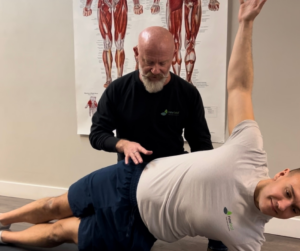
Your Role in Sciatic Nerve Pain Management
Complications from sciatica, such as ongoing pain or muscle weakness, can indeed cast long shadows over one’s quality of life. Avoiding these dark outcomes means investing time into prevention. Maintaining good posture, staying active, and allowing for recovery when back pain first whispers its warning signs will help minimize sciatic nerve pain.
Engage in regular exercise to activate and engage the core muscles supporting your spine, and practice good posture to relieve pressure on your lower back. If you spend hours sitting, change positions often and, if necessary, take breaks to move around. Adopt a holistic approach to health, with sufficient rest periods to speed recovery when needed.
Avoid tobacco products, ensure you’re lifting objects with correct form to avoid strain, and equip yourself with knowledge. The more informed you are about your condition, the more empowered you are to make decisions that benefit your health.
Conclusion
Navigating the waters of sciatica involves understanding the condition, recognizing risk factors, engaging in preventative efforts, and exploring a spectrum of treatments. Remember, while the pain might be profound and sometimes lead to complications, most people recover within a few weeks.
For persistent or severe pain, especially if accompanied by additional symptoms such as muscle weakness or loss of bowel or bladder control, seeking medical care is imperative. With the right advice and action, you’re on your way to reclaiming comfort and command of your well-being.
Your Health is Your Wealth
Remember, your pursuit of relief is not a solitary expedition. Please, if you are burdened by the weight of sciatic discomfort, reach out to one of our physiotherapists today and book an initial assessment.
Written By: DeVera Nybo, MBA, Owner Newleaf Total Wellness Centre.

Pain Relief and Physical Health
Sore backs can be a real drag. In fact, almost a third of Canadians say that back pain is limiting their lives. If you’ve got persistent back pain, it’s time to get to the root of the problem.
Physiotherapy is an excellent treatment option for people suffering from sore backs. Do you have back pain that has lasted more than a week? Does it restrict your movement, or hurt when you cough or sneeze?
If so, read on to see how physiotherapy in Abbotsford can make all the difference.
What Is Physiotherapy?
The focus of physiotherapy is restoring movement or function to someone who is affected by an injury, disability or illness. As well as providing therapeutic services, a physiotherapist also educates patients. This can help them to make healthy lifestyle choices and to prevent further injury in future.
First Session
Whenever you go for physiotherapy, your first session will always begin with a thorough assessment.
This will involve a verbal consultation. The physiotherapist will discuss your medical history and current complaints. He or she will then perform a range of tests, such as flexibility or range of motion tests.
The physiotherapist will make a diagnosis based on the result of these tests. He or she will then discuss your goals, and work with you to come up with a treatment plan. The goal is to provide a treatment plan that is supported by evidence and will be reasonable for you as a patient to follow.
Physiotherapy Treatments
People often associate physiotherapy with exercise. It is true that specific exercises do often form an important part of physiotherapy. However, it can also include:
- massage
- work and occupational re-training
- use of assistive or supportive devices
- use of hot and cold packs
- joint manipulation
Use of one or several of these can form part of the treatment for sore backs. They can also form an important part of ongoing preventative measures you can take to reduce the risk of recurrence.
Physiotherapy for Back Pain
Having a sore back is a common complaint. Happily, for most people, it is not caused by a serious problem. In those cases, it is often resolved in a few weeks by staying active and having physiotherapy.
Causes of Back Pain
The fact is, it’s not always possible to identify the cause of back pain.
That’s because sore back muscles can have many causes. These include straining the back during everyday activities. You could be run down or very stressed, or lifestyle factors such as obesity or poor sleep could be at play.
Your physiotherapist will discuss all of these factors with you during the initial consultation. He or she will help you to identify triggers that cause the pain to increase. This can help you to recognize them and counter them.
More Than Just Sore Backs – Serious Symptoms
There are symptoms that can indicate a more serious condition. These include:
- Pain that lasts for several weeks
- Numbness or tingling in the legs
- Problems with urinating or bowel movements
- Loss of sexual function or sensation
- Back pain with fever
In these cases, it’s important to work with your doctor and a physiotherapist to identify the source of the problem.
Treatment for Sore Backs
In the past, bed rest was often recommended for back pain. However, this is likely to do more harm than good. It causes muscles to lose their tone at the very time you need to be building them!
Modern physiotherapy for sore backs centres around exercise and remaining active.
Once your physiotherapist has diagnosed the issue, they will give you advice on how to treat it. This may include using hot and cold packs on the sore back muscles. Some therapies may involve alternating the two.
They will also give you specific back exercises that you should complete at home. To get the maximum benefit, follow the routine outlined by the physiotherapist.
Your physiotherapist may also perform manual therapy in the office. This can take many forms including massage, stretching and joint manipulation. The goal of manual therapy is to reduce muscle spasms and muscle tension.
However, manual therapy alone will not be enough for ongoing sore back relief. You will need to follow up with exercises at home to build strength in the affected area and reduce the chance of a flare-up.
Benefits of Physiotherapy for Sore Backs
Sometimes, a sore back will simply go away on its own. But the longer it goes on, it’s less likely that will be the case. Getting physiotherapy in Abbotsford is a wise choice that has long-term benefits.
Seeing a physiotherapist means that you get personalized care. He or she will treat your specific problem and give tailored advice. This will also prevent you from doing exercises that will actually cause further damage.
A physiotherapist will also be able to spot and treat more serious issues. This can prevent them from developing into problems that require surgery, which should always be a last resort.
Engaging with a therapist also has another more obvious benefit – reduced pain! You’ll be able to reduce your discomfort and may even be able to resume activities you’d had to give up.
You may be able to regain a wider range of motion, making walking, driving and other aspects of daily life more comfortable.
How Physiotherapy in Abbotsford Can Help Sore Backs
If you’re suffering from ongoing back pain, take action today. Physiotherapy in Abbotsford has helped to sort out hundreds of sore backs, and yours can be next!
At the Newleaf Total Wellness Centre, we’re here to find the right treatment for you. Sore backs can be treated with physiotherapy, but some will respond better to chiropractic treatment.
We offer a wide range of professional services. This allows us to tailor your treatment to your exact needs.
Click here to book an appointment with one of our team today.