Book Online
Exploring IV Therapy: What You Need to Know

Exploring IV Therapy: What You Need to Know

In a world of fad diets and quick fixes, where people sometimes view wellness practices as a status symbol, IV therapy has taken the spotlight as a modern cure-all. Once confined to hospitals and emergency care, practitioners promote intravenous treatments as an important wellness regimen for the health-conscious individual. But does the science stack up to the hype? This blog post drip-feeds you information on IV therapy, guiding wellness enthusiasts through the pros and cons.

What is IV Therapy?

Intravenous (IV) therapy directly administers fluids, vitamins, minerals, and sometimes medications into the bloodstream. Bypassing the digestive system ensures a higher absorption rate and quicker usefulness than oral ingestion. Critically, it’s a medical professional’s tool for patient care. Still, the wellness industry has adopted it as a quick fix for hydration, energy boosts, and nutrient supplementation.

woman receiving IV therapy

Pros of IV Therapy in Wellness

Immediate Hydration: Dehydration is a silent creeper that can affect everything from cognitive function to skin health. intravenous treatments deliver hydration straight into your veins; advocates claim you can feel refreshed within minutes.

High Bioavailability: The absorption of nutrients is significantly higher when delivered intravenously. This is a crucial argument, especially for those with malabsorption issues or those seeking immediate nutrients post-excessive alcohol intake or extreme physical exertion.

Customization: Practitioners personalize ‘cocktails’ to address specific wellness goals or deficiencies. Whether it’s a boost in vitamin C, a glutathione shot for antioxidant effects, or magnesium to improve muscle function, there is a concoction for almost every conceivable need.

Convenience: For active individuals or those who abhor pill-popping, IV therapy can be a convenient way to receive nutrients. The sessions typically last under an hour and you can receive them in many clinics and IV lounges around the country.

Cons of IV Therapy in Wellness

Cost and Accessibility: IV regiments have a steep price tag when used regularly. Unless one has a malabsorption issue, daily oral supplements are less expensive and provide the body with more consistent access to the required nutrients. Additionally, as intravenous treatments are not readily accessible to everyone, it raises questions about the equality of health and wellness practices.

Risk of Complications: Although rare, IV therapy carries risks such as infection, vein inflammation, and, in some cases, hypervolemia — an excess of fluid in the bloodstream. Only specially trained medical personnel should perform these treatments.

Lack of Regulation: Government regulations do not hold IV therapy lounges to the same stringent standards as medical facilities. This could pose safety concerns for consumers. It is crucial, if you want to get intravenous treatments, that you attend a reputable clinic and have a licensed professional dose and administer this therapy.

Questionable Necessity: Most individuals can keep optimal hydration levels and nutrient status through diet and oral supplements. For them, IV therapy could be more of a luxury or status symbol than a necessity. The body quickly flushes most of the nutrients out through its system which you can easily see (and smell) in urine.

Research and Evidence

The evidence supporting IV therapy for wellness is a saline bag of mixed results. Limited conclusive research exists on the benefits of intravenous treatments for those without medically necessitated conditions.

Chasing the Vein of Truth

The bottom line? IV therapy for wellness is still an area riddled with anecdotal success stories and a shortage of scientific backup. It might be a shot in the arm for some, while others could see minimal or placebo effects. Personally, IV therapy is often the only thing that gets me back up and running. On the other hand, my husband sees no results at best, and often actually feels worse after IV therapy.

If you’re considering joining the IV league, consult with healthcare professionals, weigh your options, and stay tuned to genuine research. Your wellness routine should be as well-informed as it is well-intentioned.

Remember, the best wellness strategy encompasses a sensible diet, regular exercise, and mindful lifestyle choices. The drip, drip, drip of IV therapy might sound tempting, but don’t let the seduction of the needle prick away at the fabric of holistic health practices.

Stay vibrant, inside and out!

Written by: DeVera Nybo, MBA, Owner, Newleaf Total Wellness Centre.


Chronic Pain: How to Get Stronger, Braver & Better

Chronic Pain: How to Get Stronger, Braver & Better

Chronic pain—a phrase that millions of people across the globe know all too well. Chronic pain is not just a symptom. It’s a constant companion that affects every aspect of life. But what if there were ways to manage and potentially reduce this pain? What if you could address root causes instead of masking pain with medication? This blog post will explore the nature of chronic pain, its causes, and holistic approaches to treatment that go beyond traditional medicine.

chronic pain sufferer getting out of bed. Photo shows pain in low back and neck, man looks upset.

Understanding Chronic Pain

Chronic pain is pain that persists for more than three months, often despite medication or treatment. It can stem from various conditions, including arthritis, back problems, migraines, or countless other health issues. Unlike acute pain—a body’s method of signalling harm—chronic pain can linger long after the injury has healed. Chronic pain hints at the complex interplay between the body and the brain.

The Terrible Triad: Suffering, Sleeplessness, Sadness

Chronic pain often brings along unwelcome companions—suffering, sleeplessness, and sadness, forming a ‘terrible triad‘. This triad creates a vicious cycle where pain worsens sleeplessness and sadness, which in turn can increase the perception of pain. Understanding this interconnection is crucial in managing chronic pain effectively.

The Brain’s Role in Chronic Pain

The brain plays a pivotal role in the perception and variation of pain. It acts as the central processing unit where pain signals are interpreted and experienced. Far from being a simple response to physical injury, pain involves complex exchanges between neural pathways. When an injured part of the body pain sends a pain signal, it travels through the nervous system to the brain. Here, the thalamus, cortex, and limbic system, analyze the signal, and process pain’s emotional and cognitive aspects.

This means that your emotional state, cultural background, and earlier experiences can significantly influence how you feel and manage pain. Furthermore, the brain can lessen the perception of pain by releasing natural painkillers, such as endorphins. The brain plays a critical role in the perception of pain and the body’s ability to suppress it. Understanding the brain’s role in pain perception opens avenues for new pain management strategies. Incorporating strategies that target neural systems, offers hope for chronic pain sufferers.

Seeking Natural Relief for Chronic Pain

For those who have been through the wringer of medical treatments and are wary of the side effects of traditional pain medications, there’s hope in natural therapies. These treatments aim to relieve pain and restore overall well-being.

Physiotherapy

Physiotherapy offers a pathway to improved quality of life through expert-led, personalized treatment plans. This science-backed approach addresses the discomfort and dives into the root causes of chronic pain.  By integrating various techniques, from manual therapy to tailored exercise programs and education on body mechanics, physiotherapy empowers individuals with the tools they need to manage their pain effectively. It’s about more than symptom relief; it’s about fostering a partnership between patient and therapist to build a foundation for a more active and pain-free lifestyle. Through an empathetic and educational lens, physiotherapy helps patients understand their body and take proactive steps towards health.

Kinesiologist teaching active rehab patient how to do an exercise as part of chronic pain management

Chiropractic Care

Chiropractic care is both holistic and non-invasive. At the heart of this practice is a profound understanding of the body’s intricate systems and how they can be harmonized for health. Chiropractic treatments can alleviate pain by improving the functional mobility of the joints and spine, reducing nerve irritation. This method addresses the symptoms and targets the underlying issues, fostering a healing environment within the body. If you need a break from the relentless grip of chronic pain, chiropractic care offers a promise. Chiropractors help patients reclaim control over their well-being, emphasizing the body’s innate ability for self-healing and resilience.

Acupuncture

Acupuncture involves the insertion of ultra-thin needles into specific points on the body. Researchers believe this technique stimulates the nervous system and activates the release of the body’s natural painkillers. For many sufferers of chronic conditions, such as arthritis, back pain, and migraines, acupuncture offers a pathway to relief without the reliance on pharmaceuticals. By engaging the body’s healing mechanisms, acupuncture reduces pain and improves overall well-being. It’s a testament to the power of integrating traditional healing practices with modern medical understanding, empowering individuals to explore alternative, non-invasive options for pain management.

many uses of acupuncture in relieving pain

Manual Osteopathy

Manual Osteopathy is a hands-on approach to healthcare emphasizes the body’s innate ability to heal, focusing on restoring balance and promoting overall wellness. Practitioners engage with the body’s structure and function to alleviate pain and enhance mobility. This method addresses the symptoms and dives deep to find and treat the root causes of pain. By adopting a holistic perspective, osteopathy empowers individuals, offering them a pathway to reclaim their quality of life without relying solely on medication.

Naturopathic Medicine

Naturopathic doctors are playing an increasingly pivotal role in the lives of those suffering from chronic pain, where traditional medicine often reaches its limits. By considering the entire individual—physically, emotionally, and mentally—naturopathy seeks to ease symptoms, identify and treat the root causes of pain. This method differs from the conventional model, focusing on symptom management often through pharmaceuticals, which can sometimes lead to dependency or unwanted side effects. Through personalized treatment plans that may include dietary changes, herbal medicine, physical therapies, and stress reduction techniques, naturopathic doctors empower patients to take charge of their health and well-being.

Massage Therapy

Massage therapy goes beyond mere relaxation, targeting the root of pain to foster healing and provide relief. By improving circulation, massage therapy helps the body’s natural recovery process, nourishing tissues starved of nutrients and oxygen due to prolonged tension and inflammation. Furthermore, it plays a crucial role in releasing endorphins, the body’s natural painkillers. Significantly, it also aids in reducing stress and anxiety, which are often intertwined with chronic pain. Through skilled manipulation of muscles and tissues, massage therapy alleviates discomfort. It empowers individuals to engage more fully in their daily activities, improving their quality of life.

Counselling

Psychotherapy and hypnotherapy can address the emotional and psychological aspects of chronic pain, breaking the cycle of the ‘terrible triad.’ Chronic pain is a complex and multifaceted condition, changing the physical body and the emotional and psychological well-being of those affected. Counselling offers a vital lifeline, providing strategies and support to help individuals cope more effectively with their pain. It goes beyond symptom management, addressing the profound emotional strain that chronic pain can impose. Through counselling, patients learn resilience-building techniques, mindfulness practices, and cognitive-behavioural strategies, empowering them to reclaim their lives from the clutches of pain.

Holistic Nutritionist meeting with a client to discuss foods that may help lessen chronic pain

Nutritional Counselling

For individuals grappling with chronic pain, the search for relief often leads down various paths, from medication to physical therapy. Yet, one avenue that may not be immediately obvious is nutritional counselling. Healthcare professionals are increasingly recognizing that our food can profoundly affect our body’s inflammatory processes and pain response. By working with an expert who understands the complex relationship between diet and chronic pain, sufferers can learn how to make informed dietary choices.

Food is medicine. Certain foods help reduce inflammation, enhance healing, and alleviate some of the discomfort associated with chronic conditions. This method does not stand as a solitary solution but rather complements other treatments, offering a holistic strategy to empower individuals to control their health and well-being. Through education and personalized guidance, nutritional counselling is vital in managing chronic pain, underscoring the significant role that diet plays in our overall physical health.

A Personal Journey of Managing Chronic Pain

Consider the story of a 70-year-old woman who walked into Newleaf Total Wellness Centre, lost and overwhelmed by three decades of chronic pain. After her physician left his practice and closed his clinic, she was suffering from medication withdrawals, and was desperate for a new approach. At Newleaf, she found a team ready to listen and tailor a comprehensive plan to address her pain holistically. Today, she enjoys a clearer mind and a more manageable pain level, proving it’s never too late to seek help and regain control over one’s life.

How Newleaf Can Help Combat Chronic Pain

At Newleaf Total Wellness Centre, we understand that every chronic pain sufferer’s story is unique. Our interdisciplinary approach, founded on patient-centred care, combines various treatments to help our patients become stronger, braver, and better. Whether at the beginning of your pain management journey or seeking alternative therapies, our team guides you toward a higher quality of life. It doesn’t matter where you start. Take the first step, and we will guide the ones that follow.

If you or someone you know is struggling with chronic pain, remember there is hope. Holistic approaches to pain management can offer relief and a pathway to a more vibrant, fulfilling life. Book a consultation to learn more.

Written By: DeVera Nybo, MBA, Owner, Newleaf Total Wellness Centre

Paramedical Services’ Powerful Role In The Current Healthcare Crisis

Paramedical Services’ Powerful Role In The Current Healthcare Crisis

In British Columbia, accessing healthcare has become a growing challenge for many residents. A staggering 59% report difficulties finding a family doctor, and many of these individuals are on waiting lists for a week or more. The average wait at a walk-in clinic has now reached 58 minutes, which is more than double the national average. Patients presenting with increasingly complex conditions, compound this issue, making a multifaceted approach to healthcare necessary. Enter paramedical services.

Amid ongoing healthcare difficulties, preventative medicine and paramedical services stand out as a source of optimism. The impact these services have in lightening the load on the healthcare system is enormous. Adopting preventative care tactics makes it possible to lessen the need for medical treatments.

By preventing diseases before they occur, we can alleviate the strain on our healthcare system and improve the quality of life for countless individuals.

Paramedical Services: Allies in Prevention

Paramedical services are instrumental in the preventative care framework. Services such as physiotherapy, chiropractic care, nutritional counselling, and acupuncture enhance recovery and well-being and often circumvent the need for more extensive medical interventions. Additionally, they embody a holistic view of healthcare, emphasizing the importance of treating the whole individual rather than focusing solely on symptoms. Early engagement with these services can significantly reduce hospital admissions and the demand for emergency departments.

  • Physiotherapy helps prevent musculoskeletal issues and enhances mobility, fostering quicker recovery from injuries or surgeries.
  • Chiropractic Care emphasizes spinal health and pain management, potentially reducing the necessity for pain medication and invasive treatments.
  • Nutrition Counseling provides education on healthy eating habits and managing and preventing chronic conditions like diabetes and heart disease.
  • Psychology and Counseling services play a pivotal role in crisis prevention, stress management, and promoting overall mental health.
  • Massage Therapy and Acupuncture offer pain relief, reduce stress, and contribute to overall health, complementing conventional treatments
  • Naturopathic Doctors can recommend and prescribe essential nutrients like vitamin B12 and folate, which play a crucial role in wellness. Deficiencies in such nutrients can lead to significant health complications, underscoring the importance of a proactive approach to health that prioritizes nutrition, exercise, and stress management.

The Path Forward

Our healthcare system faces unprecedented challenges and clearly requires innovative solutions. Preventative medicine, underscored by the vital contributions of paramedical services, represents a promising avenue toward a sustainable future in healthcare. Collaborative efforts between primary care providers, specialists, and community-based services are crucial in streamlining care, preventing hospital readmissions, and optimizing the utilization of resources.

Educating the public and advocating for integrated healthcare models can shift the reactive to proactive health management paradigm. By emphasizing prevention, early intervention, and collaborative care, we can address the underlying factors driving the healthcare crisis and forge a healthier, more resilient society.

The Newleaf Total Wellness Centre stands at the forefront of this crucial endeavour, embodying the principles of interdisciplinary collaboration and preventative care. Together, we can transform the healthcare landscape in British Columbia and beyond, ensuring a more robust, healthier future for all. Book an appointment to see what a difference our services can make for you.

Written By: DeVera Nybo, MBA, Newleaf Total Wellness Centre

Five Simple Reasons Why Your Weight Fluctuates

Five Simple Reasons Why Your Weight Fluctuates

Stepping onto the scale can sometimes feel like a rollercoaster ride, unpredictable and unnerving, especially if you’re trying to maintain or manage your weight. However, before you get discouraged by the ups and downs, it’s essential to understand why weight fluctuations happen. This blog post will explore five reasons behind these daily changes and provide insights for health enthusiasts and dieters.

How Dehydration and Water Retention Affect Your Weight

One might think drinking less water could help weight loss; however, the opposite is true. Dehydration can cause the body to hold onto water, leading to water retention. This survival mechanism is the body’s way to ensure adequate hydration. To avoid these fluctuations, drink the recommended amount of water daily – your body (and the scale) will thank you.

salty foods impact weight

The Impact of Sodium Intake on Your Weight

Sodium intake plays a tricky role in our bodies. Sodium is vital for nutrient transport and blood pressure regulation. Yet, too much of it can lead us down the path of water retention and weight gain. Processed foods are often the culprit of high sodium levels, so keeping an eye on salt intake can prevent those surprise numbers on the scale.

carbohydrates

Glycogen Storage

Carbohydrates aren’t the enemy—they’re converted into glycogen to fuel our cells. But when we consume more carbs than we need, the body stores the excess as glycogen in our muscles, liver, and fat cells. Each gram of glycogen comes with water, causing weight fluctuations. Balancing your carb intake with your energy needs can stabilize these shifts in weight.

woman needs to use the toilet

Changes in Body Waste

The amount of food and drink we’ve recently consumed can temporarily influence the scales. We cannot overlook urine and stool when we discuss body weight. After all, the average adult passes about 128 grams of stool per day. A high-fibre diet and regular hydration can keep things moving smoothly, ensuring that the number reflected on the scale isn’t just an undigested lunch.

exercise builds muscle and affects weight

How Exercise Affects Your Weight

Finally, if you’ve recently taken up a new exercise routine, you might see fluctuations on your scale as your body adjusts. Exercise leads to muscle gain, which weighs more than fat and changes the body’s water composition. This gain is a good thing—a sign of improved fitness and metabolism—so don’t be discouraged if you see increases as you build muscle.

Conclusion

Several factors influence body weight, and it’s common to see daily changes. We can approach weight management with knowledge and patience by understanding these contributors—hydration, dietary choices, energy stores, waste elimination, and muscle development. Remember, the number on the scale is not the sole indicator of your health or fitness progress. It’s the day-to-day choices we make that shape our health and well-being. So, keep moving, stay hydrated, and nourish your body with whole foods – the rest will fall into place.

Additional Tips for Weight Management

  • Don’t fixate on daily weight changes; focus on long-term trends.
  • Prioritize whole foods and limit processed, high-sodium options.
  • Stay hydrated throughout the day to avoid dehydration and water retention.
  • Incorporate a mix of cardio and strength training for overall health benefits.
  • Consult a healthcare professional for personalized advice and support.
  • Find an exercise routine that you enjoy and can stick to long-term.
  • Don’t restrict yourself too much – allow for occasional treats in moderation.
  • Practice mindful eating, focusing on hunger and fullness cues instead of strict calorie counting.
  • Remember that weight is not the only measure of health – focus on how you feel physically and mentally. It’s not just about the number on the scale but overall wellness.

Written by: DeVera Nybo, MBA, Owner, Newleaf Total Wellness Centre

Bursitis: Easy Ways You Can Find Relief Now

Bursitis: Easy Ways You Can Find Relief Now

Bursitis is a condition that doesn’t discriminate. Whether you’re an athlete pushing your body to its limits, part of our wiser elderly population experiencing the trials of age, or simply someone going about their daily life, the risk of encountering bursitis is real. But with an understanding of what bursitis entails, its causes, and the treatments available, we can empower ourselves to prevent or manage this condition effectively.

What is Bursitis?

Bursitis is the inflammation of the bursae, tiny, fluid-filled sacs throughout our bodies. These sacs act as cushions, reducing friction between bones and soft tissues and creating smooth, pain-free movement. When these bursae become inflamed, movement can become painful and challenging, affecting your quality of life.

image of bursitis on the elbow

Finding the Causes of Bursitis

Bursitis can result from various activities and conditions that put excessive pressure on the bursae over time. This includes repetitive motions or positions that irritate or pressure the bursae. Athletes, for instance, often get bursitis in joints that perform frequent repetitive motions, such as the shoulder, elbow, or knee.

Age is another factor, as wear and tear on the bursae increase over the years. Additionally, traumatic injuries can cause immediate bursitis, and certain systemic diseases, such as rheumatoid arthritis or gout, can predispose individuals to inflammation of the bursae.

Cures and Treatments

Fortunately, there are multiple routes to alleviating the discomfort of bursitis. Non-prescription anti-inflammatory drugs (NSAIDs) can reduce pain and swelling. Applying ice to the affected area during the first stages of pain can also help manage inflammation.

acupuncture on shoulder for bursitis

Acupuncture for Bursitis Relief

Acupuncture is a therapy recognized for its analgesic effects. By targeting specific points based on the location of your bursitis—whether in the hip, knee, or shoulder—acupuncture can reduce inflammation and stiffness while promoting the drainage of excess fluids. This method uses the body’s natural pain-relief mechanisms, including the release of endorphins, to provide significant relief.

Traditional Chinese Medicine (TCM)

TCM practices such as acupressure and Chinese herbal therapy may help combat bursitis. Corydalis Analgesic Tablets, aloe vera, herb plasters, and herbal teas with meadowsweet, horsetail, and willow bark are some treatments used to alleviate pain and inflammation. The personalized combination of these therapies can offer holistic relief from the symptoms.

The Power of Hydrotherapy and Homeopathy

Alternating hot and cold compresses—an easy-to-follow hydrotherapy method—can remarkably help bursitis patients. Homeopathic remedies like Ruta graveolens have also shown promise in easing the discomfort associated with the condition.

massage on back

Massage Therapy for Bursitis

A skilled therapist provides massage treatments to relieve bursitis’s acute and chronic symptoms, especially in the shoulder. Techniques such as gentle Swedish massage strokes, kneading, and trigger point massage reduce inflammation, improve range of motion, and soothe related stress and anxiety. These methods target the pain and encourage healing by increasing circulation and breaking down scar tissue.

Chiropractic Care

Joint manipulation offered by our chiropractic care specialists can loosen soft tissues, restore flexibility, and relieve pressure on the affected bursa. Chiropractic adjustments can provide considerable relief when combined with physiotherapy treatments like ultrasound and shockwave stimulation.

physiotherapist examining a patient's knee for possible bursitis

Physiotherapy: The Frontline of Bursitis Management

Typically, the first approach to managing bursitis involves physiotherapy. This non-invasive treatment focuses on strengthening the muscles surrounding the affected joint, alleviating pain and preventing future occurrences. Physiotherapy exercises, tailored to individual needs, play a crucial role in recovery, often spanning approximately 4 to 6 weeks. Your physiotherapist may prescribe specific exercises to prevent bursitis from progressing to more severe conditions like frozen shoulder syndrome.

Corticosteroid Injections: A Closer Look

Your doctor may recommend corticosteroid injections if other treatments do not fully resolve your symptoms. Esteemed for their ability to provide rapid relief from pain by reducing inflammation, these injections are particularly effective in treating conditions like trochanteric bursitis, commonly seen in older adults. However, it’s important to note that the benefits of corticosteroid injections tend to be temporary, and excessive use might lead to tissue damage.

The Balance Between Immediate Relief and Long-Term Health

It’s crucial to understand that corticosteroid injections offer quick pain relief but don’t address bursitis’s root cause. This is where the expertise of our interdisciplinary team at Newleaf Total Wellness Centre becomes invaluable. We emphasize a holistic approach, combining immediate relief methods with long-term rehabilitation through physiotherapy. This blend aims to improve joint function, enhance muscle strength, and correct posture and ergonomic issues, paving the way for sustainable healing.

An Individualized, Collaborative Approach

Our treatment plans are highly personalized, recognizing the unique nature of each case of bursitis. We consider a range of factors, including the severity of symptoms, patient preferences, and overall health, ensuring that we address every aspect of your condition. Collaboration is at the heart of our practice; physiotherapists work closely with specialists such as orthopedic doctors, rheumatologists, and pain management experts to ensure comprehensive care.

Understanding Bursitis Prevention

The key to preventing bursitis is minimizing the stress placed upon your joints—a critical consideration for athletes, professionals, or individuals whose daily activities involve repetitive motions. Here are essential strategies to incorporate into your routine to shield your joints from undue strain:

  1. Employ Proper Techniques

Applying the correct techniques is fundamental whether you’re engaging in sports or repetitive work tasks. This might include adjusting your posture or changing your approach to physical activities to distribute pressure more evenly across your joints.

  1. Incorporate Regular Breaks

Taking regular breaks during prolonged activity helps alleviate pressure on the bursae. Short rest intervals can be remarkably effective in preventing the onset of bursitis by giving your joints time to recover from continuous stress.

  1. Strengthen Supporting Muscles

Exercises tailored to bolster muscle groups relevant to your daily activities can support your joints. By strengthening these muscles, you enhance your overall physical health and reduce the burden on your joints, mitigating the risk of developing bursitis.

  1. Maintain a Healthy Weight

Extra weight can exert added pressure on weight-bearing joints, such as the knees and hips, increasing the likelihood of bursitis. Maintaining a healthy weight through balanced nutrition and regular exercise minimizes this risk.

  1. Opt for Anti-inflammatory Nutrition

Inflammation is a core part of bursitis, so making dietary choices that fuel or fend off inflammation is incredibly impactful. Working with a holistic nutritionist to develop meal plans that avoid inflammatory foods while being enjoyable and sustaining can play a pivotal role in preventing bursitis. Tailored nutrition supports joint health and helps your overall wellness.

Conclusion

In wrapping up our comprehensive discussion on bursitis, it’s clear that this condition touches many lives, irrespective of age or lifestyle. However, our knowledge about bursitis—its causes, treatments, and preventive measures—illuminates a path forward that can help manage and even prevent this painful condition.

At Newleaf Total Wellness, we believe in empowering our clients with knowledge and offering a multidisciplinary approach to treatment that addresses the root causes, not just the symptoms. Bursitis, though common, doesn’t have to be a condition that limits your quality of life. Individuals can return to daily activities comfortably and efficiently with the right approach, guidance, and care.

Remember, every step to understanding and caring for your body is a step towards a healthier, more active life. We’re here to support you on that journey, providing the expertise and care needed to move beyond pain and toward optimal well-being. If you are suffering with bursitis, book an appointment at Newleaf today!

Disclaimer

The content on the Newleaf Total Wellness Centre blog, including insights on various holistic health practices, serves purely educational purposes. Before adopting any new health regimen, including treatments or herbal remedies mentioned here, consult with a healthcare professional to ensure it’s suitable for you. Our blog does not substitute for professional medical advice, diagnosis, or treatment. We encourage meaningful discussions with your healthcare provider to secure the best care for your well-being.

Discover the Powerful Allies You Need to Battle Allergies

Discover the Powerful Allies You Need to Battle Allergies

Spring is in the air, and with it comes the blossoming of our favourite flowers, the greening of the trees, and, for many of us, a less welcome arrival—the season of allergies. You’re not alone if you find yourself amidst a chorus of sneezes, itchy eyes, and endless sniffles. While over-the-counter medicines have been a go-to for many, some allergy sufferers find these remedies less effective over time. Before resigning to a season of discomfort, consider exploring alternative medicine, which may offer new hope for your seasonal woes.

Allergy medication

The Changing Tides of Allergy Relief

Allergy season can seem like an annual battle for those sensitive to pollen and other environmental triggers. At times, the medications that once granted relief don’t seem up to the task anymore. This is where alternative healthcare approaches come in. It offers novel methods to ease allergic reactions by addressing the body as an interconnected system rather than just treating symptoms.

depicts woman getting acupuncture for allergies

Acupuncture: A Point in the Right Direction for Allergy Sufferers

Acupuncture’s role in allergy care garners increasing recognition as a substantial body of clinical research confirms its benefits. Applying fine needles at precise acupoints stimulates the body’s healing processes, gently urging it toward equilibrium. This ancient practice has transcended time, offering a holistic alternative that complements modern medicine. Particularly for those grappling with seasonal allergies, studies show acupuncture can reduce inflammatory markers, enhance pulmonary health, and fortify the immune system. These attributes make acupuncture a plausible choice and a profoundly impactful one in our continuous quest for well-rounded allergy management.

allergy test

Naturopathic Doctors and the Gut-Immune Connection

Considering the pivotal role that gut health plays in our overall wellness, naturopathic medicine emphasizes dietary modifications as a foundational step to a balanced immune system. A significant component of our immune defence is in the gastrointestinal tract, so it makes sense that a healthy microbiome can influence our immune resilience.

Incorporating probiotics into one’s diet through supplementation or fermented foods is a research-backed strategy for enhancing gut flora diversity and functionality. This bolstering of the microbiome can profoundly affect the body’s immune responses, particularly regarding allergies, often resulting in reduced severity of symptoms.

Comprehensive allergy testing is an integral part of this whole-person approach. Individuals can more precisely tailor their lifestyle and dietary choices by identifying specific allergens. For instance, quercetin, a natural compound found in many fruits and vegetables, has been known for its antihistamine properties. Meanwhile, vitamin C acts as a natural antihistamine and immune system booster.

Talking to a knowledgeable naturopathic doctor can help you manage your allergy symptoms naturally. By picking the right supplements and keeping your gut healthy, you can take care of your health in a lasting and balanced way.

Manual Osteopathy: Breathing Easier Through Allergy Season

Osteopathy offers a unique approach to health care that views the body as an interconnected system. Its techniques address and resolve a myriad of health issues with care and precision. Notably, contemporary research substantiates osteopathy’s effectiveness in enhancing respiratory health, proving especially beneficial for individuals suffering from allergies. Through targeted manipulations, osteopathic practitioners adeptly increase airflow and rib cage flexibility, providing substantial relief from constricting symptoms like nasal congestion and chest tightness.

Incorporating osteopathic care into an allergy management plan has gives comprehensive relief, complementing conventional treatments. By improving the structural integrity and function of the body, these specialized techniques mitigate the discomfort associated with allergic reactions. It is this constructive collaboration of osteopathic practices with traditional methodologies that empowers allergy sufferers to breathe easier and live more comfortably. The strength of osteopathy lies in its ability to not only alleviate specific symptoms but also to bolster the body’s natural healing mechanisms, affording patients a more dynamic path towards wellness.

Traditional Chinese Medicine: Balancing Qi for Allergy Relief

The Traditional Chinese Medicine (TCM) framework, views allergies as a pivotal signal from the body, indicating deeper disharmony. TCM suggests that the root of allergic responses lies in the dysfunction of qi, or vital energy, particularly within two critical organs – the lungs and spleen. The lungs, in TCM, serve as the first line of defence against external pathogenic factors playing a vital role in the immune response. Strong lung qi implies a robust shield against allergens, minimizing the likelihood of hypersensitive reactions. Conversely, when lung qi is weak, the body’s ability to filter out pollen, dust, and other allergens diminishes, exacerbating allergy symptoms.

Furthermore, the spleen in TCM is associated with the digestive system and the transformation of food into energy and nutrients. A well-functioning spleen contributes to the production of healthy qi and bodily fluids. However, spleen qi deficiency can lead to an accumulation of dampness and phlegm, creating an environment where allergies can thrive. This interconnection illustrates why TCM stresses the importance of holistic healing, focusing on bolstering the lung and spleen qi. Practitioners achieve this through acupuncture, herbal remedies, and dietary modifications. By targeting these specific qi deficiencies, TCM aims to rectify the underlying imbalances, thus providing a long-term solution to allergy sufferers and enhancing overall well-being.

holistic nutritionist creating meal plan for allergy sufferer

Holistic Nutrition: Food as Medicine

A diet amply furnished with specific nutrients can shield against the attack of allergy symptoms. The scientific community has long recognized omega-3 fatty acids, particularly fish oil, as protection against inflammation. Inflammation often worsens allergic reactions, particularly those related to respiratory conditions like asthma. The anti-inflammatory properties of these essential fats are well-documented in numerous studies, underscoring the importance of integrating them into daily nutrition.

Furthermore, curcumin—a compound that lends turmeric its vibrant hue—has attracted much attention in medical research for its potential to manage and mitigate allergic reactions. Its value stems from its ability to suppress various biological pathways involved in inflammation, offering a complementary approach to allergy management. Adopting these natural, nutrient-based strategies represents a wise and proactive approach for those seeking to reinforce their body’s defence against allergies.

A holistic nutritionist’s personalized approach to combating allergies through food is worth recognizing. Tailoring meal plans to suit individual health needs and preferences, they can curate a selection of foods that provide benefits and enjoyment. A nutritionist’s expertise extends to selecting ingredients that match your taste palate and dietary restrictions, ensuring that your path to wellness is as pleasant as it is effective. Through careful planning and consideration, you can redefine your relationship with food as you empower yourself in the fight against allergies.

In Conclusion

While there’s no one-size-fits-all solution for managing allergies, alternative medicine presents assorted options. From meridian lines of acupuncture to the gut-immune collaboration and nutritional wisdom, these avenues hold the potential for achieving seasonal relief and improved overall health. Remember to book an appointment to consult a healthcare professional before beginning any new treatments, and may this season bring you more blooms and fewer sneezes.

Written By: DeVera Nybo, MBA, Owner, Newleaf Total Wellness Centre

Unveiling the Truth About Supplements

Unveiling the Truth About Supplements

In an age where health conscientiousness is a lifestyle, supplements have become as ubiquitous as gym memberships and protein shakes. But as our shelves sag under the weight of these promising bottles and packets, it’s crucial to discern the science from the marketing, ensuring that what we ingest aligns with our wellness objectives. This blog post will guide health enthusiasts, fitness fans, and wellness seekers through the complex world of natural aides and remedies.

supplements in wooden spoons

What Are Supplements?

At their most basic, supplements are products intended to augment the diet. They can include vitamins, minerals, herbs, amino acids, enzymes, and other nutrients. They come in various forms, including tablets, capsules, powders, and liquids.

The general idea is that they can enhance your health. However, it’s important to remember that they are not intended to replace whole foods or a balanced diet but to work alongside them.

The Natural Fallacy

A common misperception about supplements is the belief that ‘natural’ necessarily equals ‘safe.’ Just because a supplement is natural does not mean it lacks side effects or risks. In many cases, ‘natural’ supplements can interact with prescription medications, may not be advisable for specific health conditions, or could even contain contaminants.

Echinacea, widely thought to prevent or treat colds, may interact with medications that affect the liver. Similarly, St. John’s Wort, while natural, can interfere with antidepressants and birth control pills. Always research and understand all the side effects and interactions a supplement might have. If in doubt, consult a Naturopathic Doctor and follow their advice strictly.

pharmaceutical testing lab

Quality Matters: Not All Supplements Are Created Equal

The supplement industry is vast and varied, and not all products adhere to the same quality standards. Some supplements may have filler ingredients, and others could have a higher or lower potency than labelled. Look for certifications or third-party testing from organizations like NSF International to ensure product quality and potency.

Seek Professional Guidance

Before adding any supplement to your regimen, consulting a regulated health professional such as a Naturopathic Doctor is imperative. They possess comprehensive knowledge about supplements, including their benefits, risks, and potential interactions with other medications.

With the explosion of supplement use, many people turn to the internet or gym acquaintances for advice. While well-meaning, such sources may lack the depth of knowledge necessary to provide safe recommendations. Professional advice is not just a formality—it’s a crucial step in safeguarding your health.

Supplements Are Not Silver Bullets

It’s vital to recognize that supplements are not a cure-all. They are not meant to replace the fundamental components of a healthy lifestyle: nutritious meals, regular physical activity, adequate sleep, and stress management. Supplements should enhance, not substitute for, these pillars of health.

Investing in quality whole foods, learning to prepare balanced meals, and maintaining a stable exercise routine are foundational. Supplements can fill nutritional gaps or assist with specific deficiencies, but one should not lean on them as crutches that allow neglect of diet or exercise.

Conclusion

Supplements might play a role in your health strategy, whether you’re looking to optimize your physical performance, enhance your well-being, or address specific health goals. Nonetheless, it’s crucial to approach them with a discerning eye, armed with information and professional guidance.

Remember that the pursuit of health is a holistic endeavour. When supplements find their appropriate place within a balanced lifestyle, they can be beneficial allies on your wellness journey. Always prioritize the natural abundance of nutrients available through a diverse diet and use supplements wisely to augment your path to health.

woman holding a handful of supplements.

Remember:

  • Verify the safety and quality of any supplement you consider taking.
  • Consult with a healthcare provider before starting any new supplement, especially if taking other medications.
  • Do not rely on supplements to replace a nutritious diet and active lifestyle.

Stay informed, stay healthy, and stay dedicated to your wellness goals. If you have questions about  interactions, consider booking an appointment with a Naturopath. If you want to know more about how supplements can help you achieve your nutrition goals, consider booking a consultation with a Holistic Nutritionist.

Written By: DeVera Nybo, MBA, Owner Newleaf Total Wellness Centre

Microbiome Matters: 5 Easy Ways to Care for It

Microbiome Matters: 5 Easy Ways to Care for It

Discover Your Body’s Vibrant City: The Gut Microbiome

Think of your body as a city teeming with life. Your body houses trillions of tiny inhabitants that play a massive role in how you think, feel, and fight off sickness. We’re talking about your gut microbiome. It’s like the unsung hero inside you, bustling and brimming with activity that affects every beep and blip in your body’s systems.

Why Your Microbiome Holds the Key to Health

You have trillions of microscopic allies working tirelessly for your holistic health. This is the reality of your gut microbiome. Like the most caring guardians, they oversee critical aspects of your physical and mental well-being.

woman holding a neon brain in one hand and a neon stomach in the other hand to represent the brain-gut axis.

Understanding the Gut-Brain Axis

Have you ever wondered why you feel butterflies in your tummy before a big event? Or why a not-so-happy belly can ruin your mood? Prepare to be amazed because it all boils down to the magic between our gut and brain. The gut-brain connection, or the gut-brain axis, is a complex two-way communication system involving nerves and biochemicals between the digestive tract and the brain.

Key aspects of this connection include:

  • Neural Pathways: Your central nervous system interacts with the enteric nervous system in the gut, mainly through the vagus nerve.
  • Neurotransmitters: The gut manufactures crucial neurotransmitters like serotonin, which affects mood, appetite and sleep.
  • Immune System: Gut immune cells communicate with the brain, impacting mood and behaviour.
  • Microbiota: The diverse organisms in the gut can produce substances that influence neurological function.

Meet Your Inner Metropolis

Your gut microbiome isn’t just hanging out; it’s like a superorganism always chatting with your brain. Picture an intricate dance of signals and messages tying your gut and brain together in constant conversation.

The Gut-Brain Superhighway

This two-way street means that your gut doesn’t just listen – it talks back, influencing your mood and well-being. It’s a remarkable communication network that ties your emotions to your immunity, your stress to your stomach, and your dietary choices to your mental health.

Impacting Your Health in Every Way

Imagine the power this gives you over your health. Knowing this, you hold the key to unlocking better mental health, a stronger immune system, and an overall sense of harmony within – simply by understanding and caring for your gut.

Practical Tips for Microbiome Improvement

Loving your gut isn’t only about eating your greens or cutting out sugar (though that is important, too!). It’s also about fine-tuning hours.

Yes, you read that right – Hours of sleep, activity, stress levels, and even social interactions affect the balance of good bacteria in your gut. And with a healthy microbiome comes a happy mind!

The Balance Disruptors

Unfortunately, modern lifestyles may be waging war on our body’s microbiome. Here are the culprits that could be throwing your gut-brain axis off balance:

  • Dietary Choices: Our fast-food culture often lacks the nutrients necessary to support a healthy microbiome.
  • Antibiotic Use: While lifesaving, antibiotics can decimate beneficial and harmful gut bacteria.
  • Stress: It’s not just a mental burden; stress can stunt the growth of good bacteria.
  • Harsh Cleaning Products: They might keep our homes spotless, but they can also disrupt the delicate balance of our internal ecosystems.
  • Environmental Factors: Pollution and other contaminants can have unseen effects on gut health.
  • Certain Medications: Apart from antibiotics, other drugs can also alter the microbial landscape in our guts.

Paving the Path to Optimal Gut Health

Fear not; you can do much to nourish and support your gut microbes. Here’s how to optimize your gut bacteria for better health:

  • Prebiotics (Fiber): These are the foods that your gut bacteria feast on. Think of high-fiber plants like bananas, onions, and oats.
  • Probiotics: Often found in fermented foods like yogurt and sauerkraut, these foods help introduce friendly bacteria to your digestive system.
  • Exercise: Studies show that regular physical activity enriches our gut flora diversity.
  • Dietary Choices – Again!: A varied diet rich in whole foods supports a healthy microbiome.
  • Natural Cleaning Products: Opting for gentler home and body cleaning products can keep your microbes merry.

photo of a woman forming a heart with her hands over her belly

Conclusion

The adage “trust your gut” gains new meaning when we consider how intimately it’s linked to our overall health. Through thoughtful daily choices in diet, exercise, and stress management, we bolster our guardians within. Take heart, knowing that with every fiber-rich bite and every mindful breath, you’re contributing to the vast community inside you that works around the clock to ensure your optimal health.

Care for your microbiome, and it will care for you -ushering you along a path filled with energy, balance, and joy. Start today. Embrace these simple yet profound steps towards an enriched life because a healthy gut means a happier you.

Remember, when your gut brims with life, so do you. Protect this precious treasure, and the rewards for your mind, body, and spirit will be immeasurable. To learn more, book a free consultation (15 minute meet and greet) with Lindsey Shields, a Holistic Nutritionist.

Written By: DeVera Nybo, MBA – Owner Newleaf Total Wellness Centre

TCM vs Western Medicine: A Simple Explanation Of The Differences

TCM vs Western Medicine: A Simple Explanation Of The Differences

British Columbia regulates Traditional Chinese Medicine (TCM) as an official professional practice. Similarly, the country widely accepts Western medicine as a conventional healthcare approach. While both practices aim to deliver effective patient care, there are differences to expect when seeing a TCM practitioner compared to a Western medical doctor.

Treatment Philosophies of TCM and Western Medicine

One of the significant differences between Traditional Chinese Medicine and Western medicine lies in the treatment philosophy. TCM practitioners evaluate the patient’s body as a whole, considering their physical, mental, and emotional states. In contrast, Western medicine focuses on symptoms and aims to treat them with targeted medications or interventions. Traditional Chinese Medicine practitioners use natural remedies and techniques such as acupuncture, cupping, herbal medicine, and lifestyle changes to help the body heal from within. Meanwhile, Western medical doctors follow a science-based approach and prescribe medications, surgeries, and other conventional treatments to cure illnesses and diseases.

TCM taking patient's pulse

Diagnostic Techniques of TCM and Western Medicine

TCM practitioners use various manual diagnostic techniques to establish a patient’s underlying pathologies, including assessing the pulse, tongue, and body temperature. Traditional Chinese Medicine practitioners often diagnose invisible blockages in the flow of Qi, which is the life energy within the body. Western medical doctors’ diagnoses typically involve laboratory tests, imaging scans, and physical exams to detect specific diseases or ailments.

Timeframe and Treatment Length

Western medicine often offers quick-fix solutions to address symptoms and illnesses. In contrast, TCM practitioners take a more holistic approach, focusing on preventative care. Their treatment plans aim to strengthen the body over time, addressing the underlying causes of ailments and improving patients’ overall well-being. Traditional Chinese Medicine treatments, such as acupuncture and herbal medicine, typically involve multiple sessions spread out over time. This duration can range from a couple of weeks to several months.

TCM Chinese Herbal Medicine and Western Pharmaceutical Medicine

Medications

Traditional Chinese Medicine practitioners use natural remedies, including herbs, minerals, and animal parts, which they prescribe in the right combinations to treat various ailments. However, natural remedies may have side effects and possible allergic reactions. In contrast, Western medical doctors use drugs that have undergone clinical trials, regulated by the pharmaceutical industry. These drugs may also have significant side effects and may interact with other medications.

Safety and Health Concerns 

Safety and ethical concerns often arise with TCM practitioners due to their traditions, methods, and approach. However, the BC College of Traditional Chinese Medicine Practitioners & Acupuncturists oversee and regulate Traditional Chinese Medicine in British Columbia. Similarly, Western medicine may also come with risks, such as complications from surgery, side effects from medication, and infections from hospital care.

Researcher

Conclusion

Traditional Chinese Medicine and Western medicine are two different approaches to healthcare with varying philosophies, diagnostic techniques, treatment lengths, medications, safety, and health concerns. Patients should always do their research and ask questions when seeking healthcare options.

If you have more questions about TCM, book a free consultation with Gloria.

Written By: DeVera Nybo, MBA, CEO/Owner, Newleaf Total Wellness Centre.

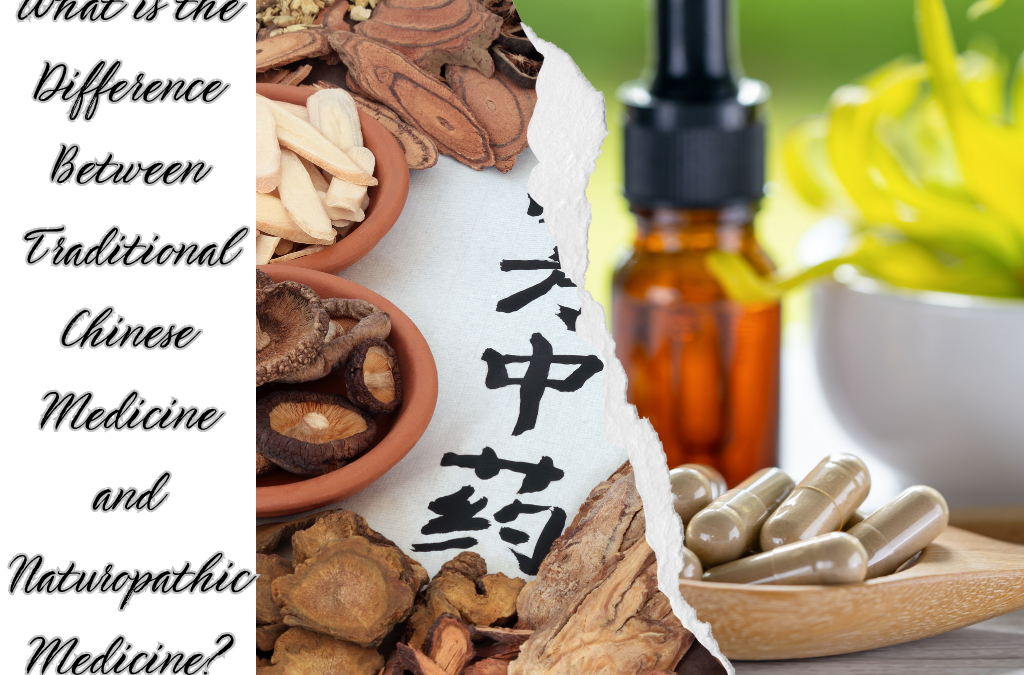
Understand If Traditional Chinese Medicine Or Naturopathy Is Better

Understand If Traditional Chinese Medicine Or Naturopathy Is Better

As individuals seek alternative and natural ways to approach their health concerns, Traditional Chinese Medicine (TCM) and naturopathic medicine have emerged as popular options. These approaches emphasize natural therapies and the body’s innate ability to heal itself. However, with the increasing popularity of these practices, patients may wonder how TCM and naturopathic medicine differ and how they are regulated. This blog aims to provide an unbiased and informative comparison of TCM and naturopathic medicine, including their similarities, differences, and potential risks.

About Traditional Chinese Medicine and Naturopathic Medicine

Traditional Chinese Medicine Practitioner "listining" to patient's body

Traditional Chinese Medicine (TCM)

TCM has been around for over 2,000 years. It includes acupuncture, herbal medicine, cupping, tui na (massage), and nutrition. The practice is based on the concept that Qi, or energy, flows through the body along meridian pathways. Practitioners believe Qi influences all aspects of a person’s health, and TCM seeks to balance it through various methods.

TCM is effective in treating chronic conditions such as pain, digestive issues, allergies, and emotional stress. However, researchers need to do more studies to evaluate its clinical effectiveness. Research shows that acupuncture, a popular TCM therapy, relieves pain and may have other benefits, such as improving sleep and reducing anxiety.

One of the challenges of TCM is the lack of standardized training and regulation. While China highly regulates TCM, it is still an emerging field in other parts of the world, and practitioners in these areas may have varying levels of education or training.

Naturopathic doctor taking patient's blood pressure

Naturopathy

Naturopathy is a holistic practice that emphasizes using natural remedies to support the body’s natural healing mechanisms. Naturopathic doctors assess patients’ entire health history, including physical, mental, and emotional health, and develop personalized treatment plans using a variety of natural therapies.

Naturopathy uses a combination of therapies such as botanical medicine, clinical nutrition, hydrotherapy, homeopathy, naturopathic manipulation, acupuncture, and lifestyle counselling to improve the patient’s overall health. It has been proven effective in treating chronic conditions such as high blood pressure, diabetes, and asthma, preventing disease, and promoting general wellness.

Canada highly regulates naturopathy and recognizes it as a distinct primary healthcare system. Naturopaths must undergo rigorous training and receive licensing to practice from a governing body.

Similarities and Differences Between Traditional Chinese Medicine and Naturopathic Medicine

TCM and naturopathic medicine share similarities in their approaches to treating health concerns. Both systems believe in the body’s ability to heal itself. They use natural therapies to promote health and prevent diseases from developing. Additionally, they both emphasize the importance of addressing the root causes of illness and health issues, not just the symptoms.

The main difference between TCM and naturopathy is their approach to healing. TCM seeks to balance the energy flow throughout the body. At the same time, naturopathy aims to support the body’s natural healing mechanisms using natural remedies.

TCM uses acupuncture and herbal medicine as its primary therapies, while naturopathy uses a variety of therapies.

Regulations of Traditional Chinese Medicine and Naturopathic Medicine

TCM and naturopathic medicine differ in how they are recognized and governed. TCM is not currently a regulated healthcare profession in Canada. However, some provinces have associations that set voluntary standards of practice. The College of Traditional Chinese Medicine Practitioners & Acupuncturists of British Columbia governs TCMs in British Columbia.

The government regulates Naturopathic medicine in several Canadian provinces, including British Columbia, Alberta, Saskatchewan, Manitoba, Ontario, and Northwest Territory. These regulations ensure patients’ safety regarding practitioners’ training, education, and professional standards. Naturopaths in regulated provinces can prescribe designated drugs if they have completed a course approved by the College relating to drug prescription.

Ancient Traditional Chinese Medicine Practitioner in traditional clothing

Potential Risks of Traditional Chinese Medicine and Naturopathic Medicine

While TCM and naturopathic medicine are typically practical and safe, there are potential risks associated with these practices.

TCM risks include minor side effects from herbs or acupuncture, as well as the possibility of misdiagnosis or improper treatment by an unlicensed or unqualified practitioner. Naturopathic medicine risks may include allergic reactions to supplements or botanical products or the chance of adverse interactions between prescribed medications and natural treatments.

Efficacy of Traditional Chinese Medicine and Naturopathic Medicine

The efficacy of TCM and naturopathic medicine is an area of ongoing research and debate. Many studies have shown positive outcomes for both practices in treating various health concerns.

Conclusion

Alternative medicine provides patients with an array of treatments that support the body’s natural healing processes. People have used TCM and naturopathic medicine for centuries. Although both systems share similarities, they also have differences in their diagnostic and treatment approaches. These differences give patients options, allowing them to choose a treatment that matches their unique needs. Patients considering these approaches should seek qualified and licensed practitioners and be aware of potential risks associated with these practices.

If you have questions or want to find out which is right for you, book a free TCM consultation with Gloria or a Naturopath consultation with Dr. Cerf.

Written by: DeVera Nybo, MBA, CEO/Owner, Newleaf Total Wellness Centre

Pin It on Pinterest