Therapy Options Explained
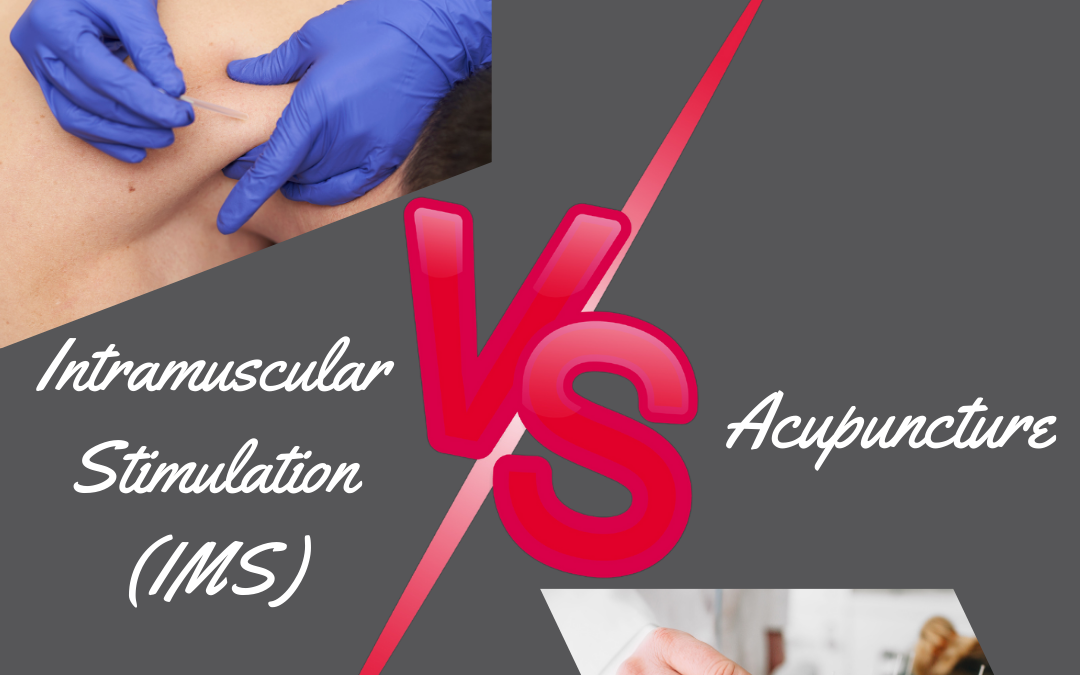
Intramuscular stimulation (IMS or Dry Needling) and acupuncture stand out as prominent therapies for pain and musculoskeletal conditions in alternative medicine. Both involve the insertion of needles, yet they stem from entirely different philosophies and target conditions. Whether you’re a health enthusiast or someone exploring alternative treatments, understanding the nuances between IMS and acupuncture can guide your wellness choices more effectively.
Comparison of Treatment Techniques
IMS and acupuncture might appear similar at first—both use needles, after all—but the similarities end there. IMS is a treatment grounded in Western medical science, focusing on diagnosing and alleviating neuropathic muscle pain. It involves inserting needles into tight muscle bands or trigger points causing pain. There’s no traditional philosophy guiding the process; instead, it’s all about the physical release of muscle tension and its neurophysiological effects.
Conversely, acupuncture is an ancient Chinese practice based on the flow of Qi (energy) through meridians in the body. Practitioners insert needles at specific points along these pathways to restore balance and promote health. This method is less about targeting particular muscle knots and more about realigning the body’s energy systems.
Conditions Targeted by IMS and Acupuncture
The conditions treated by IMS and acupuncture often overlap but generally have different focuses. IMS primarily addresses chronic pain, especially when the cause is neuropathic or related to muscle knots and tension. It’s particularly effective for conditions like back pain, tennis elbow, and fibromyalgia.
Acupuncture, with its broader philosophical approach, tackles a wide array of ailments beyond just musculoskeletal issues. It is an effective treatment for everything from headaches and menstrual cramps to stress, anxiety, and even infertility. The evidence base for both treatments varies, with acupuncture having substantial research backing its effectiveness across various conditions.

Needle Type and Technique
IMS uses needles that are very similar to acupuncture but may be slightly thicker (.3mm vs .25mm) and can be inserted deeper into the muscle tissue. IMS targets trigger points or “knots” within muscles. You should feel a deep ache or a twitching sensation as the practitioner moves the needle up and down through the tightened band of muscle. This technique elicits a twitch response from the muscle, releasing tension.
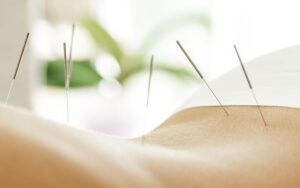
Acupuncture needles, on the other hand, are slightly thinner and shorter, designed for minimal discomfort. Acupuncture aims to balance energy flow (qi) by inserting needles at precise points along the body’s meridians, offering a gentle therapeutic experience. The needles typically remain in place for the whole session. Gentle manipulations may accompany them to enhance the treatment’s energy-balancing effects.
Patient Experience of Pain or Discomfort Between IMS and Acupuncture
The experience of receiving IMS can be more intense due to the focus on eliciting muscle twitches. This might result in brief, acute discomfort when the needle hits a trigger point, often followed by immediate relief as the muscle relaxes.
Acupuncture aims for a relatively painless insertion, with patients sometimes not feeling the needle. Patients generally describe the experience as deeply relaxing, with occasional mild sensations of tingling or heaviness around the needle sites.

Practitioner Profiles
Practitioners of IMS are usually trained physiotherapists with specific certifications in this technique. They have a solid anatomy, physiology, and pathology background, applying this knowledge to identify and treat specific musculoskeletal issues through IMS.
Acupuncturists undergo extensive training in traditional Chinese medicine, including the theory of Qi, meridians, and the holistic view of the body. In British Columbia, acupuncturists need licensure to meet professional standards for safe, effective treatment.
Similarities Between Acupuncture and IMS
Despite their differences, both therapies share common ground in their holistic approach to health, focusing on treating the body as a whole rather than isolated symptoms.
- Pain Management: Both are effective in managing various types of pain, from musculoskeletal issues to chronic headaches and stress-induced discomfort.
- Holistic Approach: They view health and wellness comprehensively through the lens of energy flow and balance in acupuncture or muscle function and nerve health in IMS.
- Individualized Treatment: Treatments are highly tailored, with practitioners adjusting their approach based on each patient’s unique condition and needs.

Conclusion
While IMS and acupuncture both offer benefits for various conditions, the choice between them comes down to individual needs and treatment goals. IMS often suits those with specific, localized muscle pain seeking relief with a foundation in Western medical principles. Acupuncture might appeal more to those looking for a holistic approach to wellness, encompassing physical, mental, and emotional health.
Before deciding, consult with professionals in both fields to discuss your concerns and treatment expectations. With knowledge and professional advice, you’ll be better placed to choose the therapy that best aligns with your wellness path.
Written by: DeVera Nybo, MBA, Owner Newleaf Total Wellness Centre

Conditions We Treat
Navigating the Chill of a Frozen Shoulder – A Personal Journey to Thawing and Recovery
Frozen shoulder – the term itself may suggest images of arctic calm and stillness. But if you have this condition, you’ll quickly discover the metaphor extends far beyond the peaceful imagery and into a realm of stiffness, discomfort, and an unmistakable freeze on your daily activities.
Living with a frozen shoulder can be an excruciating and disabling experience. This painful condition limits your arm’s range of motion, causing daily activities to become challenging. I understand frozen shoulder intimately, not just as a concept but as a personal battle. If you feel the icy grip of a frozen shoulder, I come bearing warm tidings from my experience. It is possible to melt away the limitations with the right approach.
Understanding Frozen Shoulder
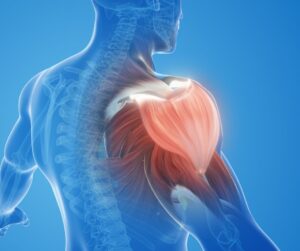
Frozen shoulder (adhesive capsulitis) is a condition marked by pain, stiffness, and limited range of motion in your shoulder. Symptoms usually begin gradually and worsen over time before a slow thaw begins. If left untreated, the natural recovery might take as long as a glacial two or three years.
The Comprehensive View of Frozen Shoulder article published by PMC explains the complexity of this syndrome, pointing to factors such as systemic inflammation and metabolic imbalances that may contribute to its onset. Additionally, immobility following an injury, conditions like diabetes or thyroid disorders, or even chronic stress are all potential causes. However, no one really knows what causes frozen shoulder.
The Stages of Frozen Shoulder
It typically progresses through three distinct stages, each with its symptoms and challenges. Understanding the stages of frozen shoulder can help you better manage your condition and work towards recovery.
Stage 1: Freezing
During this stage, you may notice severe pain and stiffness in your shoulder that gradually worsens over time. During this stage, any shoulder movement can cause discomfort, with the pain often worsening at night. The range of motion in your shoulder will become more limited, making it difficult to perform everyday tasks such as reaching overhead or behind your back. The pain is typically dull or aching at rest but sharp with movement. It’s important for individuals experiencing these symptoms to seek medical advice, as early intervention can help manage the pain and potentially reduce the duration of this stage. This stage can last anywhere from 6 weeks to 9 months and is characterized by inflammation and thickening of the capsule surrounding the shoulder joint.
Stage 2: Frozen
During the frozen stage, the pain may begin to diminish. Still, the shoulder becomes stiffer, leading to a significant decrease in mobility. The reduction in pain is a somewhat deceptive sign of improvement, as the stiffness remains a substantial barrier to regular activity and function. In this phase, the shoulder may be so stiff that everyday tasks, like dressing, become difficult, if not impossible. It’s crucial to continue with therapy during this time as the focus shifts towards improving the range of motion. Patience and persistence are key, as progress can be slow but is vital for recovery. This stage can last from four to twelve months.
Stage 3: Thawing
The final phase of frozen shoulder is known as the thawing stage, where the stiffness gradually decreases and movement improves. During this period, individuals may notice a slow but steady increase in their range of motion. The pain subsides significantly, allowing for more intensive physical therapy and exercise to regain shoulder function. Staying committed to your rehabilitation plan is essential, as consistency is crucial for full recovery. Despite the challenges faced in the earlier stages, most people return to their normal activities and regain close to, if not complete, shoulder function by the end of the thawing stage, which can last from six months to two years.
The Healing Ensemble for Frozen Shoulder
My salvation from this frigid condition arose through the collective expertise of a carefully chosen team. I had a physiotherapist, a chiropractor, a Registered Massage Therapist (RMT), and an acupuncturist working together.
Interestingly, the BC Chiropractic Association suggests core stability plays a fundamental role in injury recovery, including for frozen shoulder. Meanwhile, several studies highlight the role of nutrition in managing inflammation and aiding in hormonal balance. So, adding a kinesiologist, athletic therapist, and holistic nutritionist to your team may also be a good idea.
Physiotherapy for Mobility
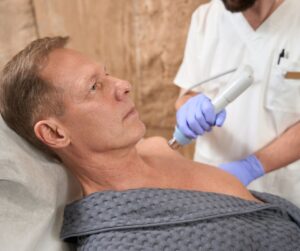
With their sophisticated grasp of movement and mechanics, physiotherapists play a crucial role in helping patients with frozen shoulder regain function and reduce pain. Through mobility and strengthening exercises, intramuscular stimulation/ dry needling, manual therapy techniques, and education, physiotherapists can support individuals on their journey towards improved mobility and quality of life. They use techniques like myofascial release, gentle dynamic movement, and joint mobilization. Furthermore, physiotherapy for frozen shoulder often includes modalities such as heat therapy, ultrasound, shockwave, or electrical stimulation to help reduce pain and inflammation in the affected area. These modalities can provide temporary relief from symptoms while working alongside other treatments.

Chiropractic to the Rescue
Chiropractors focus on manipulating the body’s joints to induce healing and improve mobility, all while decreasing pain. Their informed techniques work on restoring joint mobility and treating the surrounding architecture, emphasizing a holistic recovery. These techniques often include mobilization and manipulation of the shoulder joint and the joints in the neck and upper back, which can also become stiff and tight when dealing with a frozen shoulder. Chiropractors use muscle release techniques to help restore proper mobility of the shoulder and surrounding tissue. At the same time, corrective exercises help maintain the range of motion and increase strength and stability within the shoulder. With its focus on improving joint function, reducing inflammation, creating personalized treatment plans, and promoting overall wellness, chiropractic care offers a comprehensive approach to alleviating frozen shoulder symptoms and restoring optimal function in your shoulders.

The Gentle Touch of Massage Therapy
The path to healing benefits significantly from the relaxing yet deep-reaching techniques a registered massage therapist applies. Their trained hands work wonders, encouraging tight muscles to release their grip and become more flexible. In addition to loosening tight muscles and improving circulation, massage therapy can help reduce stress and promote relaxation.
Chronic pain and limited mobility can take a toll on both physical and mental well-being, leading to increased stress levels. Massage therapy provides a safe space for patients to relax, unwind, and release physical and psychological tension. Furthermore, regular massage therapy sessions can help prevent future flare-ups of frozen shoulder by maintaining muscle flexibility and promoting overall joint health.

Acupuncture: Ancient Art of Precision
I found this modality indispensable in lessening the throbbing ache. With each targeted insertion, my shoulders experienced minor releases, combining into a cascade of greater movement and relief. Studies show that acupuncture triggers the release of endorphins, which are the body’s natural painkillers. This helps to reduce discomfort associated with frozen shoulder. Additionally, acupuncture can help improve the range of motion in the shoulder joint by promoting relaxation in tight muscles and enhancing blood flow to the area. By targeting key points related to the shoulder joint and surrounding muscles, acupuncture can help reduce pain, increase mobility, and promote healing naturally.
A Resource You Can Count On
At Newleaf Total Wellness Centre, we understand that recovering from frozen shoulder requires a multi-faceted approach. That’s why our team consists of various healthcare professionals who specialize in different areas. With a combination of hands-on therapy from a physiotherapist and RMT and alternative treatments like acupuncture and holistic nutrition, we have it all under one roof.
One of the key benefits of working with Newleaf Total Wellness Centre is the convenience of meeting all your healthcare needs in one place. Instead of running to different clinics for various treatments, you can trust our team to coordinate your care and provide seamless communication between providers. Working with the team at Newleaf will save you time and energy and ensure you receive the best possible care tailored to your needs.
Final Thoughts
Your battle against a frozen shoulder is not one you should fight alone. Armed with patience, the correct information, and an expert team, your recovery need not be an ice age away. Wield these interventions like a torch and blaze a trail toward free movement. Remember, as the stroll toward wellness unfolds, each small victory earned along this expedition is worth celebrating.
Reach out to Newleaf Total Wellness Centre and begin your journey to thaw today.
“Strive for progress, not perfection.” – Every step is progress at Newleaf Total Wellness Centre.
Written By: DeVera Nybo, MBA, Owner/CEO Newleaf Total Wellness Centre

Pain Relief and Physical Health
Physiotherapy for back pain can bring enormous relief to many sufferers. Rather than using surgery, it uses a range of techniques and technologies to treat pain at its source.
Has your back pain got so bad, or gone on so long, that you’re considering surgery? Around 30,000 Canadians each year decide their only option is to go under the knife. It can bring relief for some, but first, it’s good to try other options.
Let’s take a closer look at the benefits of physiotherapy for back pain.
How Physiotherapy Works for Back Pain
Physiotherapy is a discipline that uses multiple different techniques. It all begins with a thorough, individual assessment. The physiotherapist will talk to you in detail about your problems.
He or she will also discuss how your back pain impacts your daily life. They’ll want to know about your medical history and any other health concerns you currently have.
Once they’ve built a complete picture of you as a whole person, they can begin to plan your treatment. The goal of physiotherapy is to restore physical function and body movement. Giving you the confidence to go about your everyday activities without the limitation of back pain.
The Cause of Back Pain
Back pain can have many different causes. Maybe you sustained an injury at work or playing sports, and know what caused your issue. For other people, back pain may begin for no apparent reason.
Even something as mundane as sneezing can trigger back pain! Most back pain stems from muscular strains and sprains.
If your back pain has a muscular cause, physiotherapy can help. Physiotherapy helps by strengthening the muscles, helping them to be more flexible. This, in turn, lowers your risk of injuring your back again.
Physiotherapy for Back Pain
A physiotherapy session for back pain will look different for each person.
Do you have mobilization issues? Part of the session will focus on mobilization or manipulative physiotherapy. This technique finds the source of the pain and helps to increase the range of movement in it.
Another aspect of physiotherapy for back pain is stabilization. This focuses on strengthening the muscles around the affected area. This helps to strengthen muscles that have been weakened or used improperly.
Physios will provide advice and specific exercises to do at home to help strengthen your back.
For many people, the work they do at home or in the workplace makes their back problems worse. An ergonomic assessment can help you to identify issues with your workstation or activities that you commonly do at work. Physios can educate you on how to do your work or daily activities without injuring yourself.
Posture can also have an impact on back pain. Physios can give you tailored advice to correct any postural issues you may have.
When Should I Get Physio for Back Pain?
It’s normal for everyone to get twinges in their back from time to time. These usually go away in a few days without treatment.
But if you’ve had an injury, or have back pain for more than a week, then you need some professional advice. You can discuss your issue with your family physician. You can also directly book a session with a physiotherapist for an assessment.
Benefits of Physiotherapy for Back Pain
Physiotherapy for back pain is very effective. That’s because it gets to the root of the problem. Physios also have a wide range of different techniques at their disposal.
These include:
- Dry needling
- Joint mobilization
- Massage
- Stretching
- Exercises
- TENS machine
Better than Medication
Medication may mask symptoms and help you to cope with daily life. The problem is that for muscular issues like back pain, it is not treating anything. If the problem is serious, it will not go away on its own.
Medications also come with side effects. The only side effects of physiotherapy for back pain are positive ones. You’ll be stronger, more flexible and in less pain!
Personalized Treatment
Physios spend time with you. They devise a truly personalized treatment plan. You can have confidence that each session is focused on helping you to heal.
The exercises the physios prescribe will help you to build strength and flexibility. By working through the exercises each day, you can benefit beyond the sessions.
Strengthen and Stabilize
Physiotherapy doesn’t just target a single issue. By helping you to build the strength, stability, and flexibility of the surrounding muscles, it helps you avoid repeat injuries. This can break the cycle of back pain that continues recurring.
Reducing physical pain also has benefits for mental health! It’s very hard not to become down when we’re suffering long-term pain. Gaining relief – and techniques to control pain can be an empowering experience.
Referrals If Needed
Physiotherapy can make a huge difference to many back pain sufferers. But physios also recognize that support from other professionals may be needed.
If you have significant injuries, physios may recommend that you consult other therapists. This could include a sports physician or a chiropractor.
Trust Newleaf Total Wellness Centre for Physiotherapy for Back Pain
No one wants to live their life hampered by chronic back pain. By helping you strengthen and mobilize your back, physiotherapy for back pain can give you a new lease of life!
To get the best results, you need to visit the best physiotherapist in Abbotsford. At Newleaf Total Wellness Centre, we have two highly qualified and experienced physiotherapists. Our team is dedicated to helping you live your best life – without back pain!
Call us now on 604.850.2511 or book an appointment online with one of our physios!

Therapy Options Explained
Choosing a physiotherapist can be challenging. You want physios who are highly trained and educated in the field they work in. It is also important that you have therapists who can provide you with education for injury prevention and lifestyle changes.
Over half of all physiotherapists in Canada are working in a community setting. These outpatient clinics treat many people each year for injuries or illnesses.
If you need help finding quality physiotherapy services near you, then keep reading on for more information.
What Is a Physiotherapist?
Physiotherapists are health care workers. They specialize in treating various diseases, illnesses, and injuries through a hands-on approach. These therapists also use different manual techniques and exercises for patients.
Through these tools, they help promote health education and wellness.
Physiotherapists do not use invasive techniques. All of the hands-on approaches and modalities are non-invasive and safe.
These techniques are not limited to hands-on assessments. They can include modalities, exercises, and at-home programs.
Physiotherapists also work in different settings. The type of clinic you choose also determines what kind of physiotherapist you will likely see. Just like doctors – it is common that there are options for physiotherapists to specialize in coming out of universities.
Inpatient physiotherapists largely work with people who are extremely debilitated or post-operative cases. These may also include specialists who work directly with oncology or neurology.
However, some inpatient clinics are designed for intensive therapy. This usually happens once someone has stabilized medically. They might help teach people basic skills such as walking, transferring, climbing stairs, or getting out of bed.
Sports medicine clinics can focus more on athletic injuries and task-specific exercises. These might include higher-performance activities used in sports. Most adults don’t need that same level of function for their day-to-day lives.
Women’s health specialists are also becoming more popular. These treatments focus on the pelvic floor, incontinence, or other concerns.
People who have experience with physiotherapy are usually from community clinics. These therapists specialize in a wide variety of ailments that the population suffers from. This can include chronic pain and illnesses.
Finally, at-home physiotherapists visit you at your house or work. They can help carry-on treatment plans from an inpatient or outpatient stay.
What Do Physiotherapists Treat?
Physiotherapists treat anything from musculoskeletal to nervous system conditions. They can be involved in post-surgical rehab or ongoing therapy for patients managing chronic diseases.
This is not a comprehensive list, but some of the more common diagnoses that physiotherapists see are:
- Low back pain
- Orthopedic injuries from MVA
- Tendonitis
- Headaches
- Neck pain
- Sprains or strains
- Rotator cuff injuries
- Arthritis
- Sciatica
- Dizziness
A physiotherapist in an outpatient clinic should have the expertise and knowledge to deal with a variety of these ailments. Additionally, look for physiotherapists who work closely with other disciplines.
You might need additional imaging such as X-Rays or MRIs. It is often common that physiotherapists work closely with kinesiologists. A clinic that has a multi-discipline approach can give you greater peace of mind.
You will have multiple, qualified therapists working to help get you back on your feet.
Treatment Options
Physios should have in-depth knowledge of hands-on or manual skills. When you are looking at physiotherapy options, be sure and check with the clinic or therapist on what types of techniques they use.
During the first treatment session, a skilled physio provides an initial assessment. They will look at your medical history, injury or illness, and immobility. Then, they will provide a manual assessment that may look at pain, range of motion, strength, or neurological status.
The best physios use manual techniques and thorough patient history for developing a plan of care. Once a plan of care is developed between you and your therapist, you will meet with him or her a set amount of times per week.
As you improve, your physiotherapist reassesses your plan. This determines when you can stop your sessions or cut back on treatments. They may also send you home with specific exercises that supplement your treatment plan.
Some of the common techniques that the best physios use during treatment sessions include:
- Massage
- Joint mobilizations or manipulations
- Modalities
- Functional training
- Home education
Some of the other techniques and modalities may include dry needling or electrical stimulation.
Physiotherapy Studies
Is physiotherapy right for you? Choosing a physiotherapist can make all the difference. Studies are also looking at how this field of therapy can benefit patient populations.
One study looked at a physiotherapist’s role in back pain. This chronic injury sits at the number one spot for disability around the world. Seeing a physiotherapist not only reduced medication use, but it also helped curb the spread of opioids.
They found that almost half of people who abused opioid prescriptions was because of back pain. Physiotherapists can indirectly help reduce the usage of opioids and the risk of overdoses.
In fact, it was found that exercises and manual treatment were some of the most effective treatment tools for managing back pain. Additionally, physicians and physiotherapists who provided education made a big difference.
This education can come in the form of postural corrections and lifestyle changes.
Choosing a Physiotherapist
Choosing a physiotherapist doesn’t have to be as hard as it sounds. A skilled therapist can use manual and innovative techniques for helping you with any injury, illness, or disease.
During your first assessment, you can feel comfortable asking questions and concerns to your physio. If you are suffering from debilitating injuries or symptoms, don’t wait any longer.
You can find the best physiotherapist in Abbotsford by contacting us today.

Chronic Conditions & Holistic Health
If you’ve been living with chronic pain in your muscles, you may have heard of IMS treatment for chronic pain. IMS, short for Intramuscular Stimulation, is a specialized physiotherapy technique that uses dry needling to release tension in tight muscles. It’s designed to reduce pain, restore flexibility, and improve overall muscle function.
Although IMS is a relatively new approach in physiotherapy, many patients report feeling significantly more relaxed and less restricted after treatment.
What Is IMS Treatment?
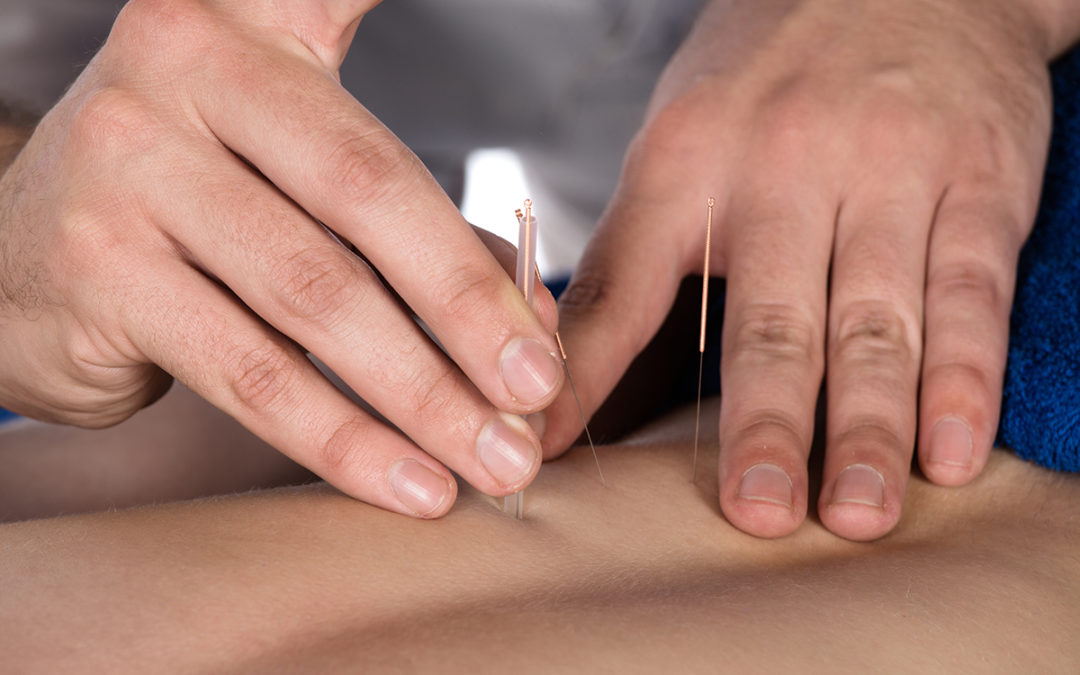
Intramuscular stimulation involves inserting fine, sterile needles into areas of muscle tightness or dysfunction. These needles help “reset” the muscle by triggering a release of tension, which can restore elasticity and reduce pain. Unlike acupuncture, IMS targets specific muscle groups affected by injury, overuse, or degeneration.
Is IMS Effective for Chronic Pain?
Yes — IMS treatment for chronic pain is especially effective when pain stems from chronically tight or “ropey” muscles. These muscles often fail to relax on their own, leading to ongoing discomfort and reduced mobility. Dry needling stimulates a healing response, helping muscles return to a healthier state and relieving pressure on surrounding joints and tissues.
What Does IMS Feel Like?
Patient experiences vary. Some describe IMS as feeling like a gentle massage, while others compare it to a brief electric pulse. Occasionally, a muscle may twitch or spasm when the needle hits a particularly tight spot — this is a normal response and often signals that the treatment is working.

Who Can Benefit from IMS?
IMS treatment for chronic pain is suitable for many people, especially those dealing with:
- Muscle injuries
- Postural strain
- Degenerative conditions
- Repetitive stress from sports or work
The best way to know if IMS is right for you is to speak with a qualified physiotherapist. At Newleaf Wellness Centre, we offer comprehensive assessments to determine the most effective treatment plan for your needs.
Your Path to Pain Relief Starts Here
Whether your recovery calls for IMS, chiropractic care, or traditional physiotherapy, our team at Newleaf Wellness Centre is here to help. We offer a range of therapies — including massage, naturopathic care, and rehabilitation — all delivered in a warm, compassionate environment at our Abbotsford clinic.
If you have questions about IMS treatment for chronic muscle pain or would like to book an appointment, please reach out. We’re happy to guide you toward lasting relief and better movement.
Therapy Options Explained
Ever since its discovery in the early 1970s, Intramuscular Stimulation Therapy (IMS), has risen in popularity and is recently being hailed as a spectacular form of rehabilitation. Slowly, patients are beginning to grow more curious about the benefits that IMS can provide when treating common injuries.
We have noticed that intramuscular stimulation can help people get back to full health faster than ever. If you are unfamiliar with the practice, you are not alone. This medical breakthrough began in Vancouver a few decades ago. However, it was not until recent media attention brought this form of rehab to the mainstream audience.
How does Intramuscular Stimulation work?
IMS treatment is a unique form of physiotherapy that targets underlying nerves and muscles. Physiotherapists will first pinpoint strained muscles where issues and pain are occurring. Next, they will use specialized needles to gently probe the damaged areas.
The physiotherapist will maneuver these needles in an attempt to initiate a light cramp or muscle spasm. While this might sound peculiar, the muscles will only react this way to the probing if the muscle tension and mobility are out of sync. Any muscle that reacts with a spasm or twitch will need to have the tension removed and flexibility restored to provide lasting pain relief.
When is Intramuscular Stimulation Used?
A physiotherapist may suggest IMS for patients feeling stiff or having a limited range of motion for certain muscles. IMS will only be used after a specialized examination is conducted to see if it is safe. For the most part, it is commonly used to treat injuries where the following is common:
- Existing nerve/joint damage
- Muscle tightness
- Muscle inflammation
- Muscle spasms
- Limited range of motion
- Migraines and Headaches
These are just a few examples of when Intramuscular Stimulation may be used. During the initial examination, a physiotherapist will recommend how IMS can positively aid your recovery.
Does Intramuscular Stimulation Work?
IMS is still a relatively new practice, and more studies are being conducted on it with each passing year. Many of our patients who have come have quickly realized the benefits of IMS. Lasting results can appear within as quickly as a month. We provide IMS and rehabilitation treatment for those in Abbotsford. If you are in pain, we can fix it!
Newleaf Wellness offers a variety of therapies including physiotherapy, chiropractic, naturopathic, and massage therapy in a warm and compassionate environment in our Abbotsford location.
If you have any questions about this article or would like to make an appointment, please contact us.