
Injury Rehab and Prevention
Core stability is more than just a buzzword athletes toss around. It is at the foundation of a healthy, active lifestyle for everyone. Whether you’re an aspiring athlete, recovering from an injury, or seeking a healthier lifestyle, core stability should be at the heart of your fitness regimen. The core muscles represent more than sculpted abs; they are the foundation for all movement, strength, and balance. Whether performing a high-intensity exercise or just picking up groceries, a strong core delivers the power to strengthen and move muscles, allowing you to perform efficiently and effectively.
In this post, we’ll share insights from recent studies and provide a comprehensive overview of the core’s role in improving your game, functioning optimally in daily life, preventing injury and alleviating pain. Whether you’re curious about core workouts or searching for a solution to back pain, read on to discover how core stability can enhance your holistic well-being.
The Hidden Beneath: Core Muscles at Work
The core is your body’s powerhouse, where your center of gravity and movement originate. It consists of muscles that stabilize your hips, torso, and shoulders, functioning as a bridge between your upper and lower body.
Imagine your core muscles as the central link in a chain connecting your upper and lower body. Whether you’re hitting a tennis ball or cleaning the floor, the necessary motions either originate in your core or move through it. Without a stable starting point, these actions are less efficient and could lead to injury.
Having a strong and stable core has multiple benefits. It improves your posture, enhances daily functionality, and helps boost your athletic performance. Moreover, it reduces the risk of injuries and relieves back pain. It even improves balance and stability, particularly in older adults, reducing their risk of falls.
Core Stability: A Guard Against Injury
Recent studies, like the one titled “Effects of core stabilization exercise and strengthening exercise on proprioception, balance, muscle thickness, and pain-related outcomes in patients with subacute nonspecific low back pain,” highlight the profound impact core-stability exercises have on balance and even muscle thickness. Remarkably, these exercises increased stability and reduced pain, functional disability, and fear of movement among participants [1].
Another study on older women with low back pain discovered that core stability training significantly improved pain intensity, disability, and balance tests [2].
No athlete wants to be sidelined by an injury due to instability. High-performance athletes and fitness enthusiasts know the value of a strong core. It improves their strength and speed, enhances their agility and power, and reduces the risk of injury.
Furthermore, weak core muscles often lead to poor posture and are frequently at the heart of lower back pain problems. Strengthening them can help alleviate the discomfort and even reduce the risk of falls, which is particularly important for older adults. A strong core is the body’s armour, shielding it from unnecessary harm.
Daily Life Made Easier with Enhanced Posture
Consider the simple daily tasks that rely on core stability – from bending to put on shoes to looking over your shoulder or performing a task at work. Core stability affects nearly everything we do. Enhanced posture and alignment resulting from core strength exercises effortlessly support your daily life chores. Mayo Clinic experts support this claim with evidence that core exercises aid routine fitness and functional goals[3].
A Guide to Core Stability
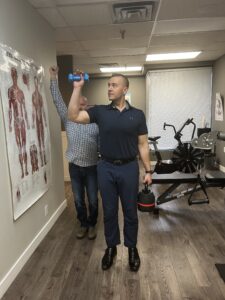
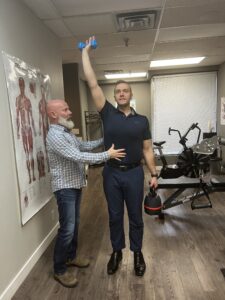
One might think sit-ups and crunches are the way to a strong core. But to your surprise, these traditional exercises may not be the most effective for core stability and might even cause harm. Instead, try low-impact, functional exercises that engage multiple muscle groups.
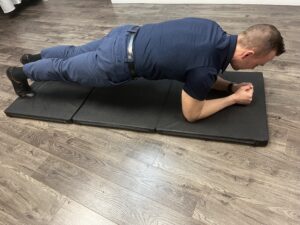
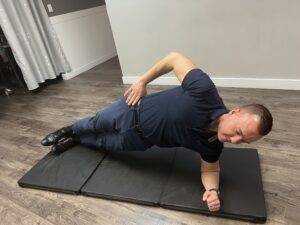
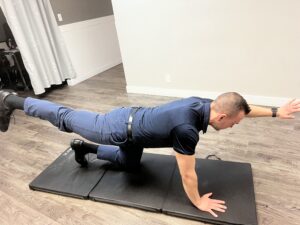
Start with planks, side planks, or stability ball exercises, and focus on controlled movements. These exercises are particularly effective in building core strength [4].
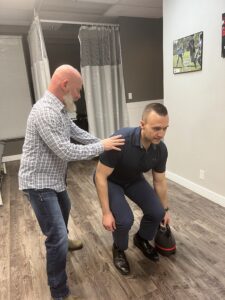
Remember, increasing reps as your strength improves and working with professionals like physiotherapists, kinesiologists, or athletic therapists can offer tailor-made exercises to ensure your safety.
Suppose you’re noticing the symptoms of weak core stability, such as poor posture or frequent injuries, or simply want to enhance your performance in sports and daily life. In that case, consulting with a professional is a good idea. They can help you start a customized exercise routine that fits your needs.
Additionally, Institutions like the College of Physical Therapists of British Columbia, BC Chiropractic Association, Mayo Clinic, and Nationwide Children’s Hospital offer a wealth of information and resources on core stability[5]. They understand the significance of a strong core for overall health and injury prevention and provide in-depth guidance on maintaining core health.
Keeping Your Core Promise
The first step is to understand the importance of core stability in fitness and wellness. Applying the knowledge through practice is next.
In closing, appreciate the core’s significance in your physical foundation. A stable core propels you forward in your athletic endeavours and anchors your daily movements in strength. Uncover the potential buried within your core and set the stage for a balanced, healthier life.
Encourage yourself to seek professional assistance to adopt a safe and effective core stability regimen. Remember, establishing a strong core isn’t an overnight affair; it’s a continuing commitment to your body’s center of power. Book an appointment today with a professional and begin your own core stability success story.
Written By: DeVera Nybo, MBA, CEO/Owner Newleaf Total Wellness Centre
—
References:
- Hlaing, Su Su, et al. “Effects of core stabilization exercise and strengthening exercise on proprioception, balance, muscle thickness, and pain-related outcomes in patients with subacute nonspecific low back pain: a randomized controlled trial.” BMC Musculoskeletal Disorders (2021)
- European Review of Aging and Physical Activity study on core stability and older women with low back pain.
- Mayo Clinic. “Core exercises: Why you should strengthen your core muscles.”
- Nationwide Children’s Hospital. “Core Stability: What Is It and Why Is It Important?”
- College of Physical Therapists of British Columbia (CPTBC).

Real Patient Success Stories
When visiting a paramedical clinic (physiotherapist, chiropractor, massage therapist, counsellor, naturopath, etc.), they may ask you to leave your credit card on file to access their services. This practice can raise many questions and concerns, such as how I am protected, whether it is legal and whether I can pay by another method. This blog post will provide all the information you need about leaving your credit card on file for paramedical services.
Why do I have to leave my credit card on file?
Leaving your credit card on file is customary in the healthcare industry. It allows the clinic to bill for services rendered in case your insurance does not fully cover the treatment or if you fail to attend your appointment. It also helps deter fraud by holding patients accountable for their appointments and associated costs.
Is it legal to ask for my credit card on file?
Yes, the law permits clinics to request your credit card on file, granted that they adhere to all relevant rules and regulations. Before leaving your credit card details on file, ensure that the clinic provides you with a privacy policy, which outlines what information they collect, how they use it, and how they protect it.

How am I protected?
Canadian and Provincial privacy laws (PIPEDA, HIPAA and PIPA) govern the use of personal information, including credit cards on file at healthcare facilities. Clinics must ensure that all patient data is kept safe and secure through various precautions, such as encrypted servers, password-protected access, and firewalls. Additionally, a reputable clinic will have privacy policies that adhere to all legal requirements for data protection.
To guarantee the safety of your financial information, inquire about a clinic’s payment and database system’s PCI compliance. The Payment Card Industry Data Security Standard is a set of requirements to ensure that all companies handling credit card information maintain a secure environment. By conforming to these standards, clinics strive to protect the confidentiality and integrity of sensitive data, thereby enhancing the overall security of their operations. As an example, Newleaf Total Wellness Centre uses the Jane App. Jane never stores a client’s credit card information directly on Jane’s servers. When staff enter a credit card in Jane, the data is instantly transferred to one of Jane’s payment processing partners through encrypted transfer. The clinic staff can only view the last four digits of your credit card, which means your sensitive information is not openly accessible.
Will the clinic refuse service if I don’t give them my credit card?
The answer to this question largely depends on the clinic’s policies. Some clinics may require your credit card on file to book an appointment. Others may refuse to provide services if payment is not received upfront. It’s always best to check with the clinic beforehand to understand their policies and requirements. A reputable clinic will not deny you service because you did not agree to submit your credit card information via an online intake portal. If entering your credit card information online makes you uncomfortable, look for a clinic that provides you with other options, like giving your card information over the phone, bringing it to the first appointment, purchasing a gift card, or paying upfront.
When will the clinic bill my credit card?
The clinic will bill your credit card if it discovers your health insurance did not cover the total amount or if you fail to attend your appointment. They may also charge a fee if you give less than 24 hours’ notice to cancel your appointment. Ensure you read and understand the clinic’s policies to know when they may charge your card.
It is worth noting that insurance companies, including ICBC and WorkSafe BC, will not pay for missed appointments, and billing them for such is fraudulent. Fees associated with missed appointments are always the patient’s responsibility.

What if I want to pay with another credit card, cash, or debit?
You can inform the clinic beforehand if you prefer to pay by another method. It’s always best to communicate your preferences upfront so the clinic can make the necessary arrangements. However, note that some clinics may still require your credit card on file to secure an appointment, even if you choose to pay by another method.
What if the clinic bills my credit card in error?
Let’s face it – mistakes happen! However, reputable clinics will take steps to avoid these errors by routinely reviewing the accuracy of claims processed. They should contact you if they find a problem. If there is a problem with your bill and you don’t notice it until after the payment process, call the clinic immediately. Most electronic medical record and billing systems (like Jane) make correcting issues and processing refunds to your credit card easy. If the dreaded mistake does happen, take steps to work through the fix with the clinic and ensure they outline how they will prevent similar errors from occurring again.
Conclusion
Leaving your credit card on file for paramedical services is a customary practice that can provide efficiency and security for both you and the clinic. It is essential to understand and the clinic’s billing and payment policies and how they use and protect your financial information. By staying informed and asking the right questions, you can ensure a smooth and stress-free experience when visiting your preferred paramedical clinic.
Written by: DeVera Nybo, MBA, CEO/Owner, Newleaf Total Wellness Centre

Therapy Options Explained
When caring for our health, we can take many approaches to achieve our desired outcomes. One popular way to improve our well-being is by working with a qualified nutrition professional, such as holistic nutritionist or dietitian. While they may seem interchangeable, many differences between these two types of professionals can impact your healthcare journey. In this post, we will dive into the world of holistic nutritionists vs. dietitians to help you better understand which approach may be right for you.
Differences Between a Holistic Nutritionist and a Dietitian in Regulation and Coverage
One of the primary differences between a holistic nutritionist and dietitian is how they are regulated and covered by insurance plans. While the government fully recognizes and regulates dietitians, holistic nutrition professionals are not. Dietitians are legally entitled to provide nutritional therapy in clinical settings such as hospitals, diabetes clinics, or cancer centers. On the other hand, holistic nutritionists usually focus on educating patients so that they have a greater hand in their own health. Additionally, MSP typically does not cover private practice dietitians, but extended health benefit plans usually cover their fees. In contrast, most insurance companies do not cover holistic nutrition services. Still, some companies like Greenshield and Manulife will cover their fees under “Nutritional Counselling.”

Approach to Health and Well-being
Another critical difference between a holistic nutritionist and dietitian is how they approach health and well-being. While both professionals focus on whole foods and nutrition to improve wellness and health conditions, holistic nutritionists approach health and well-being from a whole-person perspective. Using nutritional education as their primary tool, holistic nutrition professionals emphasize each person as unique. They perceive health as a manifestation of the intricate interconnectedness between an individual’s physical, mental, emotional, spiritual, and environmental aspects. Consequently, holistic nutritionists consider all relevant factors when providing care to clients. By contrast, dietitians employ scientific research to convey the science of nutrition in a manner that is accessible and understandable. They tend to focus more on using tools like the Canadian Food Guide to help their clients. This guide suggests that everyone’s nutritional requirements are identical and do not necessarily consider individualized needs.

Education and Qualifications
Regarding education and qualifications, there are also differences between holistic nutritionists and dietitians. Registered Dietitians (RDs) typically earn a Bachelor of Science (BSc) degree in Food, Nutrition, and Health. In the final year of their program, they usually complete a few nutrition courses to enhance their knowledge and expertise further. Meanwhile, holistic nutritionists take courses in eastern and biological sciences, metabolic typing and other subjects to provide a more integrated approach. Dietitians undergo a rigorous peer-reviewed registration process before using the RD designation. Holistic nutritionists may be certified by governing bodies like CANNP, CSNN, or NANP, but it’s not mandatory. It’s important to note that both groups of professionals can offer various levels of experience and continuing education.
So Which is Better for Me? A Holistic Nutritionist or a Dietitian
While both holistic nutritionists and dietitians can help people improve their health, they take different approaches to achieve those outcomes. Dietitians are legally licensed to work in clinical settings and take a science-based approach to nutrition. Meanwhile, holistic nutritionists consider a holistic view of their clients, using nutritional education to empower them. Whatever strategy you choose, it’s important to consider your individual needs and goals. By understanding the differences between holistic nutritionists and dietitians, you can make an informed decision regarding your health and well-being.
To learn more about holistic nutrition, book a free consultation with Lindsey.

Real Patient Success Stories
A common question at Newleaf Total Wellness Centre is, “Is this covered?”. When you have coverage for a service, your health plan will contribute payment towards some or all of the costs. Do you ever wonder why your clinic staff can’t tell you what your health insurance coverage is for chiropractic, physiotherapy, massage therapy or other services? You’re not alone. In this post, we will explore why that is the case and look at some steps you can take to understand your exact healthcare coverage better.
Why your clinic can’t tell you about your healthcare plan coverage.
It’s important to understand that your personal health information, including service utilization, is highly confidential. This information is available only to you and your benefit provider. Clinics and healthcare providers can only access payment information without any other details. When the clinic submits your treatment for coverage to your insurance provider, the system will tell them only if you have coverage – yes or no. If you have coverage, it will let the clinic know how much your plan will cover for the treatment submitted. It will not tell the clinic your total amount of coverage, how much your deductible or patient portion is, or any other details about your plan.

But my dentist can check to see if a treatment is covered.
While dentists may need to contact your insurance provider for pre-approval for crowns or other major dental work, they do not do so for routine treatments like cleanings and fillings. Similarly, your physiotherapist, chiropractor, RMT or acupuncturist cannot get pre-approval before you arrive for routine appointments such as a one-hour massage or fifteen-minute chiropractor appointment.
Your dentist cannot tell you how much your plan will cover or how much you have used to date. Like your clinic, they only receive information on whether the treatment is covered and how much your plan will contribute to that treatment.

The law.
Most believe that our medical and health information should remain private and protected. Under the PIPA (Personal Information Protection Act) and HIPAA (Health Insurance Portability and Accountability Act of 1996), BC Provincial and Canadian Federal laws give you rights over your personal and health information.
These laws also establish rules on who can see your health information. The rules apply to health plan administrators, insurance companies, employers, and government programs providing healthcare. Additionally, these laws cover most healthcare providers who process electronic transactions, such as billing your health insurance, including doctors, clinics, and hospitals.
How do I know what my coverage is?
Many individuals have healthcare coverage through their employer or spouse’s employer. The coverage and payments provided by your health plan depend on the details of the plan chosen by your company. It’s important to understand that every plan, even those offered by the same insurance company, provides different coverage for paramedical services, tests, and prescriptions. This variation is because there are many kinds of plans to choose from, and companies consider cost when selecting the most suitable option for their employees. Paramedical expenses refer to medical services or products received from licensed healthcare professionals who are not medical doctors or nurses. Examples of paramedical practitioners include acupuncturists, chiropractors, massage therapists, physiotherapists, podiatrists, and more.

Where Can I Find the Information?
Your paramedical coverage information can be found under your healthcare plan’s ‘Paramedical Services’ list. Please be aware that certain limits may apply to your coverage, such as a maximum number of visits or a maximum dollar amount covered per treatment or service. To review the limits specific to your coverage, refer to the ‘Limits’ section in your coverage details.
It is crucial to familiarize yourself with the coverage provided by your benefits plan and the out-of-pocket expenses for which you are responsible. Knowing what your plan covers will help you to avoid unexpected costs and disappointment. We recommend requesting an updated employee benefits booklet from your company to obtain information on maximum coverages and the disciplines covered.
For detailed information about your coverage, including the amount used and remaining, visit your benefit provider’s website. You must set up a personal profile with a username and password to securely access this information through their online portal or mobile app.
How Do Insurance Companies Decide How Much to Cover?
Insurance companies establish reasonable and customary (R&C) limits, which represent the payment range for specific health-related services or medical procedures. It’s important to note that these limits are often based on outdated average cost reports and may not accurately reflect current costs. Consequently, you may have to pay more for a service than your benefits cover.
Consider this example: Suppose you book a massage costing $130, but your insurance company’s R&C amount for this service is $100. Assuming your workplace plan covers 80% of massage therapy treatments, you would be eligible for a reimbursement of 80% of the R&C amount, equalling $80. You would have to pay the clinic $50.
More about other types of healthcare insurance coverage.

Residents of British Columbia are covered by the Provincial Medical Services Plan (MSP). MSP contributes $23 per visit for acupuncture, chiropractic, massage therapy, naturopathy, non-surgical podiatry, and physical therapy for people on income assistance, disability assistance, and hardship assistance. There is a combined limit of up to 10 visits per calendar year. However, it is crucial to mention that the government does not cover any charges related to extra billing, and this coverage is only available to some low-income recipients. If you believe you should qualify for MSP’s $23 contribution towards your patient fees, ask your clinic to check your eligibility online. Please note that the only information your clinic will receive is whether you are eligible.

Suppose you have been involved in a car accident. In that case, you are eligible for a specific number of treatments that can last up to 12 weeks after the date of the accident. ICBC covers 12 Acupuncture appointments, 25 Chiropractic appointments, 12 Registered Clinical Counseling appointments, 12 Registered Massage Therapy appointments, 25 Physiotherapy appointments and 12 Kinesiology or Athletic Therapy appointments.
If you choose a clinic that directly bills ICBC, the clinic should be able to inform you of how many treatments you have left. However, it is always your responsibility to know how many treatments ICBC has approved for you and how many are left. You are always responsible for any treatments you receive that insurance does not cover.
ICBC has approved service coverage up to a certain fee per treatment; the patient must pay the remaining user fee.

If you get injured at work, it’s important to know the available options for coverage and support through WorkSafe BC. The crucial first step is notifying your employer and WorkSafe BC after the incident.
Physiotherapy
For physiotherapy, we advise scheduling an appointment with one of the approved clinics within the WorkSafe BC provider network. Even before your claim is approved, WorkSafe BC will cover the cost of your initial appointment. However, if you choose a physiotherapist not contracted with WorkSafe BC, you must pay for the visit and then get reimbursement from WSBC. Therefore, we recommend not to book subsequent appointments until your claim is approved unless you are willing to pay for them.
Registered Massage Therapy
Before getting treatment from a Registered Massage Therapist (RMT), you must obtain a referral from your doctor. Once your WorkSafe BC claim is accepted, you are entitled to up to six treatments within the first eight weeks of your injury. When choosing massage therapy, you should pick a provider who will directly bill WorkSafe BC and submit reports. To find an RMT, please visit the Registered Massage Therapists Association of BC website and use the WorkSafe BC filter. However, if you decide on a provider who does not bill WSBC directly, you must pay for your visit and then ask for reimbursement. Please note that WSBC will reimburse you at predetermined rates; any remaining balance will be your responsibility.
Referrals
WorkSafe BC does not require referrals for chiropractic, acupuncture, or naturopath treatments, and you may be entitled to receive up to eight weeks of treatments once WorkSafe BC has approved your claim. If you choose a provider who does not bill directly to WorkSafe BC, you must pay for the visit and then seek reimbursement. Again, remember that WSBC will reimburse you at established rates, and any difference will be your responsibility.
Your case manager must approve all dental work before you can receive it unless it is an emergency. WorkSafe BC covers emergency room visits, short- and long-term stays, day surgery, dressing changes, casting, and diagnostic imaging.
If you choose a clinic that directly bills WorkSafe BC, the clinic should be able to inform you of how many treatments you have left. However, it is always your responsibility to know how many treatments WorkSafe has approved for you and how many are left, as you are always responsible for any treatments you receive that insurance does not cover.
Conclusion
Understanding all associated fees and insurance coverage before attending paramedical services is essential. For those with limited financial means, MSP may contribute a small amount towards your treatment. Those who have had a motor vehicle accident may receive coverage through ICBC, and WorkSafeBC may provide coverage following a workplace accident.
The long and short of it is that the amount of insurance coverage you are entitled to depends on several variables. You must know your entitlements because privacy regulations restrict clinics from accessing most of this information.
We hope this blog post has explained why your clinic may be unable to inform you about what your insurance will cover and how financing paramedical services works.
Please note that this information is intended to provide educational insights and should not replace any specific guidance or advice provided by a healthcare professional or plan administrator.
Written by: DeVera Nybo, MBA CEO/Owner Newleaf Total Wellness Centre

Therapy Options Explained
Understanding Manual Osteopathy
Manual osteopathy is a patient-centred system of healthcare that uses hands-on techniques to balance all body systems. They focus on making sure your bones, muscles, and other parts work well together. Unlike regular doctors who might only treat one problem at a time, osteopathy looks at how all parts of your body are connected. The goal is to improve your overall health by treating you as a whole person. This approach believes keeping your body, mind, and spirit in balance is important for good health. Unlike conventional medicine, which often isolates and treats symptoms independently, manual osteopathy considers the position and health of all body tissues, including the organs, as linked.
How Our Feelings Affect Our Bodies
It’s well-known that what we feel emotionally can change our physical health. Stress, anxiety, grief, and other emotions don’t just affect our minds. They can show up in our physical health, leading to muscle tension, hormonal imbalances, and, yes—even the displacement of organs. The concept might seem far-fetched, but think of that “knot” in your stomach during moments of fear or the feeling of your heart being “heavy” with sorrow. Our body will often mirror our emotional state.
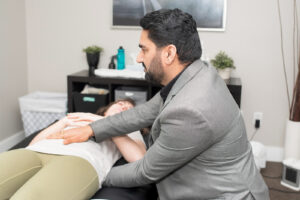
Gagandeep Watts, MO
Visceral Manipulation in Osteopathy
Osteopaths have a particular way of treating the body called visceral manipulation. They gently move and fix restrictions in the organs and tissues around them. This gentle manual therapy carefully works with the internal organs (viscera) and their connective tissues to free up restrictions and improve the organs’ ability to function effectively. By doing so, manual osteopaths help restore balance and ensure that each organ sits correctly within the body. This therapy mitigates discomforts that might stem from displacement due to emotional stress.
Working With Other Health Care Professionals
Osteopaths also think about the mental causes of physical problems. By understanding how the mind and body connect, osteopaths can help people heal more completely. Treatment plans might include working alongside psychologists or counsellors when necessary, proving the power of interdisciplinary cooperation in achieving well-being.
Manual osteopathy offers significant benefits but shines exceptionally bright when complementing other treatments. It can fill gaps that regular medicine might miss and help patients who haven’t gotten better with other treatments.

The Healing Environment of Osteopathy
An osteopath’s office is a sanctuary where people can get help for their emotional and physical pain. It can be a source of comfort for those who are suffering inside and show them a way to get better. Individuals who live in the aftermath of emotional upheavals and carry the invisible weight of their feelings can find comfort and relief through the hands of a skilled manual osteopath. Relief is achievable and expected through the thorough and compassionate application of manual osteopathy techniques.
Final Thoughts
Feelings are powerful and can affect our bodies and minds. Whether you are burdened by physical discomfort or emotional strain, seeking the expertise of a manual osteopath might open doors to a level of wellness previously impossible.
As we move towards a future where holistic and conventional medicine collaborate more closely, the role of manual osteopathy will undoubtedly become even more meaningful. It carries the potential to heal and teach us about something we often forget. Our bodies and minds are inseparable, and caring for one means nurturing the other.
To book a free 15-minute consultation with Gagandeep Watts, MO, click here.
Written By: DeVera Nybo, MBA, CEO/Owner Newleaf Total Wellness Centre
Injury Rehab and Prevention
If you’re reading this, chances are you’ve encountered the frustrating plateau that often accompanies the road to recovery. As an ICBC client or someone who’s experienced injury, you know all too well that healing is not always linear. Despite following medical advice, sometimes progress just stalls. But why does this happen, and more importantly, what can be done to overcome a setback in your injury recovery? This blog post will address these crucial questions and offer actionable strategies to help you overcome injury setbacks.
Find a Therapist You Trust to Help Overcome a Setback in Your Injury Recovery
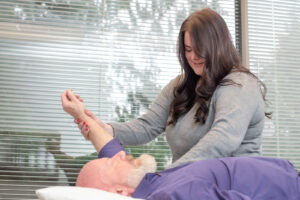
One of the cornerstones of effective recovery is working with a healthcare provider you trust. A strong patient-therapist relationship leads to better engagement, more meaningful therapy sessions, and, ultimately, improved outcomes. If your recovery has plateaued, evaluate your partnership with your therapist.
Do you feel heard and understood during your sessions? Is your therapist attentive to your concerns and adjusting treatments accordingly? Trust is essential—don’t hesitate to seek a second opinion or find a new therapist if it doesn’t feel right. Remember, this is about your healing, and you deserve a guide who resonates with your recovery goals.
Overcome a Setback by Attending Your Appointments
It’s not uncommon for life to get in the way of recovery. Missed appointments, however, may be the culprit behind a stalled recovery process. Consistency is vital when it comes to rehabilitation and healing. Each session builds upon the last; skipping appointments can disrupt this progression.
Recommit to attending all scheduled appointments or discuss with your therapist a suitable schedule that accommodates any constraints you might have. Being proactive and reliable with your presence can play a significant role in getting your recovery back on track.

Attending your scheduled appointments to avoid setbacks
Be an Equal Partner in Your Recovery
Recovery is a two-way street; it requires the expertise of your therapist and your active participation. To regain momentum, adopt the mindset of an equal partner in your treatment. Be candid with your therapist about pain levels, discomfort, or concerns. Provide feedback on what’s working and what isn’t. The more information you share, the more your therapist can tailor the recovery plan to fit your specific needs.
Empower yourself by asking questions and understanding the rationale behind each aspect of your treatment. When you know the ‘why’ behind each exercise or recommendation, it likely becomes more meaningful and integral to your routine.

The therapist/patient relationship is crucial to overcome injury setbacks.
Do Your Homework to Overcome Injury Setbacks
Often, recovery extends beyond the confines of the therapist’s office. “Homework,” such as exercises, stretches, or lifestyle changes, is frequently prescribed to complement in-clinic treatment. If you’ve become lax with your at-home program, now is the time to reinvigorate your commitment.
Implement strategies to ensure you do the work: set reminders, create a dedicated exercise space, or find a recovery buddy to keep you accountable. Your diligence with these tasks can dramatically influence the speed and effectiveness of your recovery.
Conclusion
Setbacks in recovery can be discouraging, but identifying the reasons behind stalled progress is the first step toward regaining momentum. By fostering a trustworthy relationship with your therapist, attending all your appointments, becoming an active participant, and diligently doing your prescribed “homework,” you’re paving the pathway to your successful recovery.
Your commitment to these strategies rallies you back to health. It equips you with resilience and a proactive approach to healing. Remember, your recovery is a personal journey, and you hold significant power in influencing its direction and destination.
Still have questions? Visit our learning centre for more answers to common questions or book an initial assessment with one of our physiotherapists.

Healthy Habits & Lifestyle
Ergonomics has become a buzzword in office cultures worldwide. Supporters see ergonomics as the silver bullet for aches, pains, and productivity in the workplace. The promise is attractive: tailor your work environment to fit your physique, and you’ll work healthier and happier. Yet, my own experience and evidence gathered from various studies suggest that the reality of ergonomics is far more complex and, at times, disappointingly ineffective.
When Ergonomic Principles Fail Us
My struggle with ergonomics is personal. Although I carefully followed ergonomic guidelines, I’ve suffered just as much as those who don’t bother. This realization prompted me to question —why, with all its logical foundations, doesn’t ergonomics deliver on its promise?
Misinterpreting Our Body’s Signals
It’s easy to blame long hours or stress for that gnawing neck pain or the throbbing in your wrists, overlooking the possibility that your perfectly set ergonomic desk might be the culprit. Our symptoms often get misinterpreted, and the ergonomic setups we trust might not address the root cause of our discomfort.
Ergonomics and Neck Pain
The Problem of One-Size-Fits-All
Ergonomics generally operates under a one-size-fits-all theory, but here lies a critical flaw. Because there are so many individual variations, standard ergonomic solutions often fall short. Our bodies, habits, and preferences are unique, so our approach to creating a healthy workspace should also be.
The Nuances of Work Tasks
The complexity of specific jobs can make ergonomic principles doubtful. Some tasks demand movements or postures that no ergonomic guideline has accounted for. Work environments are varied and complex, and focusing solely on ergonomics can be like wearing blinders, ignoring the complicated nature of human tasks.

Spinal Alignment Using Ergonomics
Implementation of Ergonomics Isn’t Everything
Following ergonomic guidelines is important, but it’s no cure-all. I’ve seen first-hand how strict implementation doesn’t prevent injuries or illnesses. It’s not just about setting up an ergonomically correct workstation; it’s about how you use ergonomics and your actions beyond the desk.
.Productivity at Risk
Productivity suffers in the face of poor ergonomics. If left unchecked by inadequate ergonomic setups, muscle discomfort can lead to larger health issues, which clearly impacts work efficiency. Additionally, when comfort is compromised, so too is the quality and focus of our work.

Change positions often.
The Alternative Path to Ergonomics: Counterbalance and Adaptability
What should we do if traditional ergonomics aren’t the answer? Considering what our body goes through during the day provides a start. For instance, after hours of sitting with hunched shoulders and a downward gaze, try laying on your stomach in the evening, propped up on your elbows. This simple pose reverses the day’s harmful postures, opens your shoulders, and encourages a natural arch in your back.
Change your position frequently when sitting. Our bodies aren’t designed for stagnation. Consider including regular movement to counteract the inactive positions that ergonomics tries to perfect but sometimes cannot accommodate.
Beyond Ergonomics – A Holistic View
This blog is not a dismissal of ergonomics as a whole but a call to recognize its limitations and adapt it to fit individual needs. A successful approach to workplace well-being must be as dynamic and many-sided as the people it intends to help. It should include the environment and the needs of each human body.
Incorporating frequent movement, mindfulness of posture throughout the day, and exercises that counteract work-induced strain can complement the ergonomic framework and lead to healthier, more sustainable work habits. Ergonomics may not be the standalone solution we once thought. However, it still holds value as part of a broader, more personalized strategy. It’s about finding balance, adapting, and listening to your body’s needs. Your health, happiness, and productivity depend on it. To learn more about your body’s needs, book a functional movement assessment with one of Newleaf’s physiotherapists here.
By: DeVera Nybo, MBA

DeVera Nybo, CEO/Owner Newleaf Total Wellness Centre

Real Patient Success Stories
If you’re reading this blog, you want to know which is the best clinic in the Abbotsford area. At Newleaf Total Wellness Centre, we serve over 20,000 patient appointments per year. As we are a bustling facility, there may be times when we cannot serve our community. This could be due to a lack of services, scheduling conflicts, waitlists, or patients needing to attend a location closer to their home. In keeping with our philosophy of putting patient needs above all else, we researched and compiled a list for you. Our goal was to create a comparison based on pricing, practitioner availability, location(s), types of services offered, disciplines available, reviews, years in operation, direct billing to insurance companies, and more. If we are not the right resource for you, we hope this list will aid in finding one that is. So, grab a coffee and read on to find a health and wellness facility that best suits your needs.
1. Altus Chiropractic & Physiotherapy Clinic

Altus Chiropractic & Physiotherapy Clinic
Clinic Services and Pricing
Altus Chiropractic & Physiotherapy is open Monday to Friday from 9 am to 6 pm.
Altus Chiropractic & Physiotherapy is open Monday to Friday from 9 am to 6 pm. Nine practitioners offer services in chiropractic care, massage therapy, and physiotherapy.
While Altus Chiropractic & Physiotherapy provides limited services, the Abbotsford community has consistently voted it the best Chiropractic, Physiotherapy and Massage clinic in town. They do not advertise pricing on their website, making price comparisons impossible.
Altus direct bills for most insurance plans, including ICBC, WorkSafe BC and MSP.
Patient Resources and Practitioner Availability
The Altus Chiropractic & Physiotherapy website offers informational blogs and podcasts on different topics related to health and wellness featuring interviews with their practitioners. However, the company does not provide an online patient booking portal, so patients must call the clinic during business hours to book appointments.
Google Reviews and Ratings
Altus has a high rating on Google reviews, with an average rating of 4.9 stars out of 5.0 in 86 reviews. The positive reviews emphasize the staff’s welcoming nature and the practitioners’ skills.
2. Pacific North Wellness Clinic

Pacific North Wellness Clinic
Clinic Services and Pricing
Pacific North Wellness is open Monday to Friday. It offers competitive and transparent pricing compared to other multidisciplinary clinics in the area. Their rates for initial appointments range from $85 to $160. This facility has ten practitioners, offering a wide variety of services, including chiropractic care, physiotherapy, massage therapy, kinesiology, and athletic therapy. It also provides unique classes and services, including yoga, breastfeeding support, pelvic floor physiotherapy and facial stretching.
Pacific North Wellness offers direct billing to most major insurance companies, including ICBC; however, they do not take WorkSafe BC patients.
Patient Resources and Practitioner Availability
Pacific North Wellness provides information on each discipline and treatment offered, including what patients can expect during their visit. However, they do not have any other resources or blogs on their website for patients to get additional information.
Their online booking portal (Jane App) is user-friendly and easy to navigate, allowing patients to book appointments at any time, and practitioner schedules are clearly visible, with many available appointment times.
Google Reviews and Ratings
Pacific North Wellness has an excellent rating on Google (5 out of 5 stars in all 91 reviews), which speaks to its quality of care. Patients have left positive reviews, praising the facility’s cleanliness, professionalism, and friendly staff. It’s important to note that a clinic with so few reviews may not have had the chance to discover its weaknesses and make improvements.
3. The Apollo Clinic

The Apollo Clinic
Clinic Services and Pricing
The Apollo Clinic is open six days per week. It has two locations in the Fraser Valley, one in Abbotsford and the other in Chilliwack. It provides services in seven disciplines, including physiotherapy, kinesiology, chiropractic, registered massage therapy, occupational therapy, naturopathic medicine and registered clinical counselling.
Apollo Clinic’s pricing is mid-range in their industry and community, with initial appointments costing between $75 and $210 depending on the service. Apollo accepts direct billing services through most employer health benefit plans and ICBC. Apollo’s Chilliwack chiropractor is part of the WorkSafe BC provider network and can directly bill for his services.
Patient Resources and Practitioner Availability
The Apollo Clinic has no blogs, videos or other patient resources on its website. Like most other clinics in the area, Apollo uses the Jane App for online booking, making it easy and convenient to schedule appointments.
With 20 practitioners in Abbotsford alone, The Apollo Clinic has many open appointment slots, and same-day treatments are often available.
Google Reviews and Ratings
The Apollo Clinic has received 55 Google reviews on its Abbotsford location and 70 Google reviews on its Chilliwack location, with 4.5 and 4.8 stars, respectively. The therapist reviews are generally positive, with mixed feedback regarding the reception staff.
4. Opex Fitness

Opex Fitness
Clinic Services and Pricing
Opex Abbotsford is a multidisciplinary clinic and gym, open seven days per week, that treats a diverse range of issues but primarily focuses on fitness and exercise as a means to health and wellness. They have a team of over ten professionals working collectively on each patient’s treatment plan and fitness goals. Opex Abbotsford offers chiropractic, acupuncture, massage therapy, kinesiology, and personal training services. However, it does not cover the full spectrum of healthcare that some patients may need.
Opex Abbotsford participates in direct billing to major insurance companies, including ICBC, and is a part of the WorkSafe BC Provider network. However, they do not list their prices on the website, making it impossible to compare to other Abbotsford clinics.
Patient Resources and Practitioner Availability
Patients can book, cancel or reschedule their appointments in real-time and receive reminders about upcoming appointments through Opex’s online booking portal, Jane. Personal training consultations are available seven days a week. Wellness appointments are also readily available, except for registered massage therapy. RMT appointments are full for three to four weeks out.
Opex Abbotsford’s website provides patients with educational blog resources that help motivate and guide them in their recovery or management of their health issues. However, the most recent blog dates back to 2021.
Google Reviews and Ratings
Opex Abbotsford has earned a 5-star rating from 171 Google reviews. The rave reviews testify to the clinic’s commitment to delivering top-notch services in a niche market.
5. The Healing Oak Clinic

The Healing Oak Clinic
Clinic Services and Pricing
The Healing Oak is a collective with two locations, one in Abbotsford and one in Chilliwack, offering patients seven days per week access to four different services, including manual osteopathy, registered massage therapy, naturopathy, and clinical counselling. Some patients may find the pricing for treatments a little high, as The Healing Oak is near the upper end compared to other local clinics, with initial appointments ranging in price from $125 to $180. They have not provided pricing information on their website for clinical counselling services.
Healing Oak directly bills most insurance companies, but each practitioner supports direct billing differently, so patients must not assume they can get direct billing and must check with the individual practitioner first. Additionally, this clinic does not directly bill WorkSafe BC or ICBC, so patients must pay for these services upfront and request reimbursement later.
Patient Resources and Practitioner Availability
The Healing Oak has an online booking portal (Jane App) where patients can schedule appointments and request changes 24 hours a day, 7 days a week. However, specific practitioner hours can vary, and some are quite limited, so finding an appointment that meets your needs may be challenging.
The team at The Healing Oak produces several monthly informational blog posts, which are available on their website. However, we were unable to find any other patient resources.
Google Reviews and Ratings
The Healing Oak has received several positive reviews on Google and maintains a rating of 4.5 out of 34 reviews for the Abbotsford location and 4.8 stars out of 98 reviews for the Chilliwack location. Most negative reviews centre around the lack of reception staff and difficulties checking in for or rescheduling appointments.
Conclusion
It is our privilege and pleasure at Newleaf Total Wellness Centre to give our patients the resources they need for a healthy lifestyle. We also understand that we may not always be the right clinic for you. Ultimately, the decision of which clinic to choose depends on your unique healthcare needs, and we encourage you to research and ask questions before making a decision. We compiled this list of reputable Abbotsford-area multidisciplinary clinics so those looking for a good fit can decide whether they choose us or another option. We hope this blog post and its unbiased comparison data have been helpful in your journey to finding the best clinic for your needs.
For more information on Newleaf Total Wellness Centre’s services click here.
Check out the 2023 Community Votes winners here.
Written by: DeVera Nybo, MBA

Therapy Options Explained
A motor vehicle accident can alter the course of your life and cause a range of long-lasting physical injuries that requires physiotherapy treatment to aid in recovery. For many people, the stress of dealing with an insurance claim, medical bills, and rehabilitation costs can add to their trauma and negatively impact recovery time.
Fortunately, ICBC (the Insurance Corporation of British Columbia) may cover some physiotherapy treatments related to motor vehicle accidents. If you have been injured in a car crash, ICBC will cover up to 25 physiotherapy appointments. To be eligible for coverage, you will need to see a physiotherapist from their list of approved providers. If you opt to work with a physiotherapist that charges more than the rate ICBC funds, you will have to pay the difference.
The rate ICBC covers are up to 94 dollars per visit and up to 111 dollars for the initial consultation. It is important to note that ICBC pre-approves a maximum of 25 physiotherapy sessions. These sessions must occur within a year of your ICBC claim, and the 25 sessions also include your initial visit. Keep in mind that the cost of ICBC visits does not cover cancellations. Therefore, you will need to pay out of pocket if you miss an appointment.
How Do Physiotherapy Treatments Help?
If you’ve been in a car accident and suffered broken bones, whiplash, a concussion, or other physical injuries, physiotherapy can help you recover faster and more effectively.
Physiotherapists use techniques to reduce pain, promote healing, and improve mobility. Common treatments include manual therapy (hands-on manipulation), exercises to strengthen muscles, heat/cold therapy, ultrasound therapy, and electrical stimulation.
With continued physiotherapy treatments, you can improve your range of movement and strength, reduce pain and swelling, restore normal joint motion, and improve overall health. At Newleaf Wellness, our team of experienced physiotherapists will create a personalized treatment plan to help you recover as quickly and safely as possible. We can also coordinate payments with ICBC to ensure your treatments are covered.
Newleaf Wellness offers a variety of therapies including physiotherapy, chiropractic, naturopathic, and massage therapy in a warm and compassionate environment in our Abbotsford location.
If you have any questions about this article or would like to make an appointment, please contact us.
Sources:
https://www.icbc.com/partners/health-services/providers/Pages/Physiotherapists.aspx
https://www.icbc.com/partners/health-services/providers/Documents/ICBC-fee-guide-for-health-care-providers.pdf

Therapy Options Explained
Headaches and migraines affect many people in the world. Some many signs and symptoms occur before migraines and headache start. These include irritation, depression, or hallucinations. People with migraines try to avoid any light, may experience nausea and vomit, and feel a sharp irritation from loud noises.
Migraines and headaches
A chiropractor can help people with migraines. When the pressure is removed from the nervous system and spine aligned to its right position, this prevents migraine discomforts from occurring.
A lot of people are confused about whether to book an appointment with a dentist, an optician, or a doctor. For a couple of decades now chiropractic care has been recommended to give people relief from migraines and headaches.
Every chiropractor will understand and know the role of the spine and nervous system. If the spine gets out of the position it can put pressure on the nerves. The pressure can cause a variety of problems, which results in headaches.
The treatment of migraines depends on what is causing migraines. Chiropractors try to identify the source of the headache. Every year millions of people take pain killers like Panadol to treat migraines. This may never help the patients. Chiropractors are known to work at the root of the problem, which helps in preventing the need for multiple headache medications.
If your headache persists for a long time we recommend seeing a chiropractor for relief.
Newleaf Wellness offers a variety of therapies including physiotherapy, chiropractic, naturopathic, and massage therapy in a warm and compassionate environment in our Abbotsford location.
If you have any questions about this article or would like to make an appointment, please contact us.