Women's and Children's Health
Belly fat is more than just a nuisance that makes your clothes feel tight. It’s a concern for many women, leading to moments of frustration and decreased self-esteem and also posing significant health risks. Understanding the root causes of belly fat and the strategies for managing it goes beyond the quest for a slimmer waistline—it’s about making informed choices for your overall health and wellness.
In the sea of fitness trends and weight loss myths, the truth about belly fat in women often gets distorted, leaving many confused and disheartened. It’s time to clear the air and uncover the facts, empowering women with the knowledge to take control of their health and body image in a compassionate and informed way.

What Causes Belly Fat?
Belly fat, a common concern among women, can feel like a stubborn puzzle. But what really contributes to its accumulation? Understanding the factors can empower you to make informed choices toward a healthier lifestyle.
- Dietary Habits: It’s no secret that what we eat significantly impacts our body shape. A diet laden with processed items, excessive sugars, and unhealthy fats is a fast track to gaining unwanted weight, particularly around the midsection.
- The Age Factor: Aging is an inevitable part of life, bringing hormonal shifts that slow down metabolism and favour fat storage around the abdomen. This is notably evident during and post-menopause, marking a challenging phase for many in managing waistline expansion.
- Post-Pregnancy Changes: The joy of motherhood often comes with a lingering souvenir — belly fat. Shedding the pregnancy pounds can be challenging, particularly in the stubborn abdominal area.
- Activity Levels: Our modern sedentary lifestyle contributes to belly fat. Incorporating regular exercise is essential in dodging weight gain and promoting overall health.
- Stress: Have you ever noticed snack cravings when you’re stressed? There’s a reason. High stress triggers cortisol production, a hormone that increases appetite and directs fat storage to the abdominal area.
- Genetic Blueprint: Just as we inherit eye colour or height from our parents, genetics also determine our body’s predisposition to fat storage patterns, including that pesky belly fat.
- Hormonal Shifts: Beyond aging, hormonal changes across a woman’s life, particularly during menopause, rearrange fat distribution, often relocating it to the belly.
Understanding the multifaceted reasons behind belly fat can guide you toward healthier choices. Remember, every step towards a balanced diet, active lifestyle, and stress reduction helps manage belly fat and enhances your overall well-being.
What Type of Fat Is It?
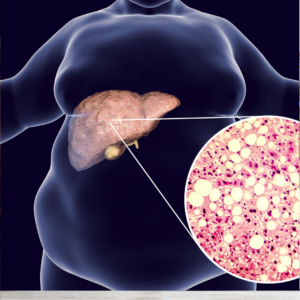
Not all belly fat is created equal. The fat lying directly under the skin, known as subcutaneous fat, is what you can pinch. In contrast, visceral fat takes a more hidden approach. It nestles behind your abdominal muscles and envelops your vital organs. While both types can be concerning, visceral fat poses a greater health risk, contributing to cardiovascular disease, diabetes, and other conditions.
The Dangers of Visceral Fat
Visceral fat is metabolically active and can significantly impact your health by releasing inflammatory markers and hormones that influence blood sugar levels and cholesterol. This hidden fat is a silent predator with risks that extend far beyond the waistline.
Is it even fat?
Not all round bellies are fat; bloating can also affect the size of your waistline. Identifying food sensitivities and adjusting your diet can help reduce bloating and internal inflammation, giving a more accurate picture of your body’s fat composition.

How to Get Rid of Belly Fat
Reducing belly fat might seem daunting, but adopting specific lifestyle changes can make a significant difference. While there’s no one-size-fits-all solution to losing belly fat, there are strategies to help reduce it:
Fads and Fiction
Beware of quick fixes like diet pills, body wraps, and extreme fasting regimes. These offer fleeting results at best and are dangerous at worst. The myth of spot reduction, or losing fat from a specific body part, lacks any scientific backing and also falls into this category.

The Facts about Losing Belly Fat
A comprehensive strategy encompassing diet, exercise, sleep, and stress management holds the key to trimming belly fat:
- Nutrition: Focus on whole, unprocessed foods like vegetables, fruits, lean proteins, and grains. Minimize sugar and processed items.
- Exercise: A mix of cardio and strength training can significantly reduce visceral fat, enhancing overall wellness.
- Sleep: A consistent sleep pattern is essential for hormonal equilibrium and crucial in weight management. Quality sleep is a pillar of weight management; aim for 7-9 hours nightly.
- Stress Management: Adopting meditation, deep breathing, or yoga practices can effectively keep stress and cortisol at bay.
- Pinpoint Bloating Triggers: Understand what leads to bloating—fizzy drinks, alcohol, certain foods, or high salt intake. Avoiding these can noticeably slim down your midsection.
Fads often promise much but deliver little, leading to harmful cycles of yo-yo dieting. Fiction suggests targeted fat loss is possible, a notion debunked by science. Fact tells us that a holistic route—balancing nutrition, activity, rest, and stress relief—is the most effective path to reducing belly fat.

The Surprising Influence of Oxytocin on Belly Fat
Intriguing research highlights another ally in the fight against belly fat: orgasms. They trigger oxytocin release, the so-called love hormone, which helps reduce carb cravings and alleviate stress by lowering cortisol levels. Beyond its stress-busting capabilities, oxytocin can also aid in lowering blood pressure and enhancing digestion, attacking belly fat from multiple angles.
The Best Advice
Ultimately, the best advice for managing belly fat—and overall health—is to live life fully. Enjoy nutritious foods, stay active, cultivate love and laughter, connect with others, and practice self-love and acceptance. Your body changes at various life stages, such as puberty, motherhood, and menopause, as well as through life events like illness and aging. Learning to love and accept your body through all its transformations is perhaps the most vital step in your health and wellness journey.
Remember, belly fat is a common issue that many women face, but it doesn’t define your worth or beauty. Understanding its causes and taking actionable steps toward a healthier lifestyle can improve your well-being and foster a positive relationship with your body.

Body Image and Mental Health
The pursuit of an “ideal” body can lead to a host of mental health issues, including anxiety, depression, and body dysmorphic disorder. It’s essential to remember that health comes in all sizes and shapes. You are more than your appearance; you are strong, capable, and deserving of respect and love, just as you are. It’s not about achieving the perfect body but nurturing a healthy one.
If you, or someone you know is struggling with weight or body image issues, book a consultation with one of our nutritionists and start a healing journey toward total wellness.
Written by: DeVera Nybo, MBA, Owner, Newleaf Total Wellness Centre

Mental Health and Emotional Wellness
As we approach Mental Health Week, scheduled from May 6 to 12, 2024, we must delve into the profound impacts of empathy and understanding in our lives. This year, the Canadian Mental Health Association‘s theme, ‘The Healing Power of Compassion’ invites us to recognize kindness as an intrinsic aspect of our humanity, capable of bridging divides and soothing wounds in a world often marked by suffering.

Everyone Struggles with Mental Health Sometimes
It’s a universal truth that everyone, at some point, faces challenges. Mental health is no exception. Society’s evolving understanding reveals a crucial acknowledgment: seeking support through therapy is not exclusive to those diagnosed with a mental illness. Therapy emerges as an accessible option for anyone navigating life’s complexities, whether deciding on a pivotal life change, mending relationships, or striving for personal growth.
Brené Brown, a luminary in the discourse on vulnerability, articulates this sentiment perfectly: “When we’re willing to show up, be seen, and own our stories, we pave the way for others to do the same. By fostering a culture of vulnerability and empathy, we can build stronger communities, organizations, and relationships.” Her words underscore the essence of this year’s theme, illustrating how our shared experiences of struggle and resilience can unify us.

Challenging Stigma with Understanding
For too long, the stigma encircling mental health has deterred individuals from seeking the help they deserve. Addressing and diminishing this stigma demands concerted efforts from all of us. Through openly sharing personal stories and experiences, we normalize discussing mental wellness issues, acknowledging their ubiquity across society. Education plays a pivotal role in challenging entrenched stereotypes and misconceptions, replacing them with facts and fostering an environment of empathy.
Furthermore, advocating for respectful and inclusive language when addressing mental health is critical, underscoring the dignity of every individual’s experience. Encouraging professional support and affirming that seeking help is entirely acceptable are fundamental steps toward eradicating stigma.

A Call to Compassion
Compassion reminds us of our shared humanity in a world that often demands grit and resilience. It beckons us to extend kindness to others and ourselves, illuminating the path toward a future where mental health is embraced with open arms and open hearts.
As we honour Mental Health Week, let us remember that compassion for ourselves and others can catalyze genuine healing and connection. If you or someone you know is navigating the complexities of life’s challenges, consider booking a therapy session with someone on our Mental Health team or sharing this message of hope and understanding.
Written by: DeVera Nybo, MBA, Owner, Newleaf Total Wellness Centre.

Injury Rehab and Prevention
In the fitness world, few topics have sparked as much debate as the effectiveness and application of stretching. For weekend warriors to elite athletes, the quest for optimal performance and injury prevention has often led to conflicting advice about warm up and cool down routines. Today, we’re dissecting the myths and facts surrounding stretching to empower you with a deeper understanding and a customized approach to enhancing your fitness regimen.
A Closer Look
Stretching, in its many forms, is a foundational element of physical activity. Still, misconceptions abound, leading to widespread debate about its utility and execution. Here’s what you need to know about static and dynamic stretching:

Static Stretching
- Definition: Extending a muscle to its fullest length and holding the position.
- Applications: Best used post-exercise for increasing flexibility and aiding recovery.
- Biomechanical Impact: Improves connective tissue elasticity, potentially reducing injury risk.

Dynamic Stretching
- Definition: Making controlled, active movements that stretch the muscles to their full range of motion
- Benefits: Enhances immediate performance and effectively warms up muscles by mirroring the activity to come.
- Recommendation: Ideal before exercises, a safer method to prep the body for dynamic actions.

Ed Middleton, Physiotherapist
Demystifying Common Myths
Myth 1: The Ultimate Injury Preventive Measure
Contrary to popular belief, the role of stretching in injury prevention is nuanced. While it can be beneficial, its effectiveness depends on the activity, the type of stretches performed, and an individual’s fitness level. Blanket statements about its efficacy overlook the complexity of human biomechanics and the specificity of sports demands.
Myth 2: All Stretching is Equally Beneficial
The reality is that stretching needs to be purposeful. Aimless stretching without a clear goal—improving flexibility, enhancing performance, or facilitating recovery—is unlikely to yield significant benefits. Your unique physical requirements and fitness objectives should inform how, when, and why you stretch.
Myth 3: One-Size-Fits-All in Warm-Ups and Cool-Downs
This notion fails to account for individual variances in physiology and fitness goals. For example, a gymnast may gain from prolonged static stretches to enhance muscle length. At the same time, a sprinter might prioritize dynamic stretches to maintain muscle responsiveness. The key is aligning your stretching routine with your activity profile and personal needs.

The Case for a Customized Approach
Acknowledging the pivotal role of customization underscores the crux of our discussion. A tailored stretching regimen, attuned to your specific physical attributes and aspirations, is the most effective strategy for leveraging stretching’s benefits. This approach encompasses the selection of appropriate stretches and the integration of strength and stability exercises to bolster overall mobility and performance.
Why Professional Guidance Matters
Given the evolving landscape of stretching research, professional insight is invaluable. Specialists like kinesiologists, physiotherapists, and chiropractors can demystify the complexities of stretching, offering tailored recommendations that resonate with your physiological profile and fitness targets.

The Power of Personalization
The stretching debate ultimately reveals a broader truth about fitness: any regimen must be personalized to realize maximum effectiveness. By considering the latest science, acknowledging individual differences, and opting for informed, specialized guidance, athletes and fitness enthusiasts alike can unlock stretching’s true potential—enhancing flexibility, performance, and overall well-being on their terms.
In conclusion, as we unravel the myths surrounding stretching and move towards a more nuanced understanding, the role of informed, personalized strategies becomes clear. Incorporating stretching into your fitness regimen should not follow a cookie-cutter approach but rather a thoughtful, individualized plan that acknowledges your body’s unique needs and the demands of your chosen activities. To get started on a personalized plan, book your initial assessment today.
Written by: DeVera Nybo, MBA, Owner Newleaf Total Wellness Centre.

Women's and Children's Health
Stepping onto the scale can sometimes feel like a rollercoaster ride, unpredictable and unnerving, especially if you’re trying to maintain or manage your weight. However, before you get discouraged by the ups and downs, it’s essential to understand why weight fluctuations happen. This blog post will explore five reasons behind these daily changes and provide insights for health enthusiasts and dieters.

How Dehydration and Water Retention Affect Your Weight
One might think drinking less water could help weight loss; however, the opposite is true. Dehydration can cause the body to hold onto water, leading to water retention. This survival mechanism is the body’s way to ensure adequate hydration. To avoid these fluctuations, drink the recommended amount of water daily – your body (and the scale) will thank you.

The Impact of Sodium Intake on Your Weight
Sodium intake plays a tricky role in our bodies. Sodium is vital for nutrient transport and blood pressure regulation. Yet, too much of it can lead us down the path of water retention and weight gain. Processed foods are often the culprit of high sodium levels, so keeping an eye on salt intake can prevent those surprise numbers on the scale.

Glycogen Storage
Carbohydrates aren’t the enemy—they’re converted into glycogen to fuel our cells. But when we consume more carbs than we need, the body stores the excess as glycogen in our muscles, liver, and fat cells. Each gram of glycogen comes with water, causing weight fluctuations. Balancing your carb intake with your energy needs can stabilize these shifts in weight.

Changes in Body Waste
The amount of food and drink we’ve recently consumed can temporarily influence the scales. We cannot overlook urine and stool when we discuss body weight. After all, the average adult passes about 128 grams of stool per day. A high-fibre diet and regular hydration can keep things moving smoothly, ensuring that the number reflected on the scale isn’t just an undigested lunch.

How Exercise Affects Your Weight
Finally, if you’ve recently taken up a new exercise routine, you might see fluctuations on your scale as your body adjusts. Exercise leads to muscle gain, which weighs more than fat and changes the body’s water composition. This gain is a good thing—a sign of improved fitness and metabolism—so don’t be discouraged if you see increases as you build muscle.
Conclusion
Several factors influence body weight, and it’s common to see daily changes. We can approach weight management with knowledge and patience by understanding these contributors—hydration, dietary choices, energy stores, waste elimination, and muscle development. Remember, the number on the scale is not the sole indicator of your health or fitness progress. It’s the day-to-day choices we make that shape our health and well-being. So, keep moving, stay hydrated, and nourish your body with whole foods – the rest will fall into place.
Additional Tips for Weight Management
- Don’t fixate on daily weight changes; focus on long-term trends.
- Prioritize whole foods and limit processed, high-sodium options.
- Stay hydrated throughout the day to avoid dehydration and water retention.
- Incorporate a mix of cardio and strength training for overall health benefits.
- Consult a healthcare professional for personalized advice and support.
- Find an exercise routine that you enjoy and can stick to long-term.
- Don’t restrict yourself too much – allow for occasional treats in moderation.
- Practice mindful eating, focusing on hunger and fullness cues instead of strict calorie counting.
- Remember that weight is not the only measure of health – focus on how you feel physically and mentally. It’s not just about the number on the scale but overall wellness.
Written by: DeVera Nybo, MBA, Owner, Newleaf Total Wellness Centre

Healthy Habits & Lifestyle
We’ve repeatedly heard that what we eat is crucial to our well-being. Yet, despite the best advice, the foods that enliven one person’s day can leave someone else feeling sick. It’s a reminder that nutrition is far from a “one-size-fits-all” concept. Our bodies are as unique as our personalities, responding differently to various diets.
Just as the nursery rhyme goes, Jack Sprat could eat no fat while his wife could eat no lean—a dynamic that might sound familiar to many. My partner thrives on a ketogenic diet, rich in healthy fats, moderate proteins, and low in carbs. In contrast, my body prefers a friendlier relationship with carbohydrates and tends to rebel against too much red meat. It’s important to recognize that even without food allergies, certain foods (yes, even “healthy” ones) might not suit our digestive systems, leading to discomforts such as bloating or nausea.
The evidence suggests that some foods, known for causing internal inflammation, can worsen conditions like asthma or arthritis. Reducing or cutting out these foods can help anyone looking to keep a balance in their body’s systems. In contrast, foods that combat inflammation can be universally nurturing.

Inflammation’s Impact on Health and Ability to Heal
‘Inflammation’ often conjures images of a swollen ankle or reddened, healing skin. Yet, it also reflects a more profound, sometimes silent, process within our bodies. Often lurking in the foods we eat, inflammation can be the silent enemy that compromises our health. Understanding the impact of inflammatory foods is critical for those striving toward a healthier lifestyle.
Consuming a diet rich in inflammatory foods can disrupt the natural healing process. Chronic inflammation can weaken immune system responses and delay recovery from injuries. Additionally, scientists have linked inflammation to a variety of diseases, including heart disease, diabetes, and certain types of cancer.
Weight Gain and Obesity
The relationship between diet-induced inflammation and weight gain is complex but critical. Foods that promote inflammation can disrupt the balance of gut bacteria and hormone levels and lead to insulin resistance—all factors that may contribute to weight gain and difficulty in losing weight. Addressing dietary inflammation may be a key strategy in managing and reducing obesity.

The Impact of Inflammation on Mood and Mental Health
Have you ever felt foggy or fatigued after a meal? The brain is extremely sensitive to dietary influences. People consuming diets high in inflammatory foods have an increased risk of depression and anxiety. Furthermore, there is growing evidence to suggest that consuming anti-inflammatory foods could improve mood and alleviate symptoms of certain mental health conditions.
Autoimmune Disorders
Autoimmune disorders, such as eczema, rheumatoid arthritis, and lupus, are characterized by the immune system mistakenly attacking the body. Inflammatory foods can worsen these conditions, leading to more discomfort and flare-ups. On the other hand, incorporating anti-inflammatory foods into one’s diet may help manage and reduce the severity of symptoms.

What are Some Signs of Internal Inflammation?
Inflammation likes to operate under the radar. Here are some hints that it might be working its mischief within you:
- Persistent Fatigue: Feeling tired is normal after strenuous activity, but ongoing, unexplained fatigue might signal an inflammatory response.
- Gastrointestinal Issues: Frequent bouts of diarrhea, constipation, or bloating can indicate inflammatory conditions of the digestive system, such as Crohn’s disease or ulcerative colitis.
- Excessive Mucus Production: Chronic inflammation can increase mucus production, particularly in respiratory conditions such as asthma and chronic sinusitis. You may also see mucus in your stool and sputum when you cough.
- Skin Problems: Certain skin conditions, such as psoriasis and eczema, have been linked to inflammation within the body. Chronic skin inflammation can also be an indicator of underlying autoimmune disorders.
- Joint Pain and Stiffness: Joint inflammation can cause pain, stiffness, and swelling, particularly in conditions like rheumatoid arthritis. Chronic inflammation often targets the joints, leading to pain, stiffness, or swelling that isn’t caused by a specific injury.
- Skin Problems: Conditions like eczema, psoriasis, and other chronic skin issues can indicate underlying inflammation within the body.

What Foods Cause Inflammation?
The culprits behind dietary-induced inflammation might be sitting quietly in your pantry or fridge. While we’ve outlined broad categories of inflammatory foods, remember that individuals might respond differently.
- Processed and Red Meats: High in saturated fats, processed meats like hot dogs, sausages, and bacon, as well as red meats such as beef, have been associated with increased inflammation markers in the body.
- Refined Carbohydrates: Foods made from refined flour, such as white bread, pastries, and many snack foods, can elevate blood sugar levels rapidly, leading to inflammation.
- Fried and Fast Foods: Not only are these foods typically high in unhealthy fats but frying also introduces advanced glycation end products (AGEs), compounds that can stimulate inflammation.
- Sugar-Sweetened Beverages: Soft drinks, fruit drinks, and other sweetened beverages are high in fructose and other forms of added sugar, contributing to insulin resistance and inflammation.
- Trans Fats: Although increasingly being removed from food products, trans fats found in margarine, fast food, and commercial baked goods can provoke inflammatory responses.
- Artificial Additives: Some artificial colours, flavours, and preservatives in processed foods may trigger inflammatory reactions in some individuals, particularly those with food sensitivities or allergies.

Nourishing Alternatives to Include
On the flip side, focusing on whole foods that support a balanced and vibrant body is essential. However, the hero in one person’s meal may be the inadvertent villain in another. Understanding your body’s unique reactions to foods, embracing intuitive eating, and prioritizing gut health are not just nods to modern wellness trends but imperatives for anyone looking to combat inflammation’s silent siege. Try eating:
- Leafy Greens: Spinach, kale, and Swiss chard have essential vitamins, minerals, and fibres. They support a healthy digestive system and are low in calories. Salads are your friend if you’re like me, but wilted or steamed greens sit better in the belly if you’re like my partner.
- Healthy Fats: Nuts, seeds, avocados, olive oil, and fish rich in Omega-3 fatty acids, such as salmon and mackerel, have healthy fats, which are essential for hormone production and nutrient absorption.
- Whole Grains: Swap your white bread and regular pasta with whole-grain alternatives. Whole grains are rich in fibre and can help regulate blood sugar levels.
- Fruits and Berries: Fruits are nature’s candy. They’re rich in fibre, antioxidants, and vitamins. Choose fresh or frozen varieties without added sugars.
- Lean Proteins: Incorporating lean proteins, like chicken, turkey, fish, and plant-based proteins, such as lentils and chickpeas, can build muscles and keep you full longer.

Strategies for Avoiding Inflammatory Foods Amidst a Hectic Lifestyle
For busy professionals, parents juggling responsibilities, or students managing coursework and jobs, the key to good nutrition often lies in simplicity and planning. Healthy eating doesn’t have to be a complicated affair.
- Meal Prep: Dedicate a part of your weekend to preparing meals for the week ahead. A couple of hours spent cooking can save you a multitude of time during the week.
- Snack Smart: Keep handy snacks like carrot sticks, almonds, or Greek yogurt within reach for those mid-day hunger pangs.
- Hydrate Healthily: Replace sugary beverages with water infused with fruits or herbs for a refreshing pick-me-up.
Remember
While there are categorical suggestions on what to avoid and what to consume, the most valuable lesson is listening to your body. It’s about finding harmony within and ensuring your dietary choices align with your body’s needs and goals. Integrating the principle of nutritional individuality into our diets means paying close attention to how we feel after meals. Does lentil soup leave you feeling energized or unexpectedly stodgy? Do raw vegetables soothe you or seem to dial up digestive despair? It boils down to inflammation—knowing, understanding, and mastering the subtler tongue of your body’s internal dialogue.
Empower yourself with the knowledge, respect your body’s responses, and commit to your overall health by making informed decisions about your food. It’s a path worth taking for your well-being. Let food be your medicine, not just calories to count.
# Bonus Tip:
Don’t be afraid to experiment with new foods and dietary habits. Our bodies constantly evolve, and what might have worked for us in the past may no longer suit our current needs. Be open-minded and curious about food, and don’t hesitate to adjust your diet as needed. Working with a Holistic Nutritionist can get you started with meal plans that suit your taste, lifestyle and dietary needs.
Disclaimer
The content on the Newleaf Total Wellness Centre blog, including insights on various holistic health practices, serves purely educational purposes. Before adopting any new health regimen, including treatments or herbal remedies mentioned here, consult with a healthcare professional to ensure it’s suitable for you. Our blog does not substitute for professional medical advice, diagnosis, or treatment. We encourage meaningful discussions with your healthcare provider to secure the best care for your well-being.
Written By: DeVera Nybo, MBA, Owner, Newleaf Total Wellness Centre.

Healthy Habits & Lifestyle
In an age where health conscientiousness is a lifestyle, supplements have become as ubiquitous as gym memberships and protein shakes. But as our shelves sag under the weight of these promising bottles and packets, it’s crucial to discern the science from the marketing, ensuring that what we ingest aligns with our wellness objectives. This blog post will guide health enthusiasts, fitness fans, and wellness seekers through the complex world of natural aides and remedies.

What Are Supplements?
At their most basic, supplements are products intended to augment the diet. They can include vitamins, minerals, herbs, amino acids, enzymes, and other nutrients. They come in various forms, including tablets, capsules, powders, and liquids.
The general idea is that they can enhance your health. However, it’s important to remember that they are not intended to replace whole foods or a balanced diet but to work alongside them.
The Natural Fallacy
A common misperception about supplements is the belief that ‘natural’ necessarily equals ‘safe.’ Just because a supplement is natural does not mean it lacks side effects or risks. In many cases, ‘natural’ supplements can interact with prescription medications, may not be advisable for specific health conditions, or could even contain contaminants.
Echinacea, widely thought to prevent or treat colds, may interact with medications that affect the liver. Similarly, St. John’s Wort, while natural, can interfere with antidepressants and birth control pills. Always research and understand all the side effects and interactions a supplement might have. If in doubt, consult a Naturopathic Doctor and follow their advice strictly.

Quality Matters: Not All Supplements Are Created Equal
The supplement industry is vast and varied, and not all products adhere to the same quality standards. Some supplements may have filler ingredients, and others could have a higher or lower potency than labelled. Look for certifications or third-party testing from organizations like NSF International to ensure product quality and potency.
Seek Professional Guidance
Before adding any supplement to your regimen, consulting a regulated health professional such as a Naturopathic Doctor is imperative. They possess comprehensive knowledge about supplements, including their benefits, risks, and potential interactions with other medications.
With the explosion of supplement use, many people turn to the internet or gym acquaintances for advice. While well-meaning, such sources may lack the depth of knowledge necessary to provide safe recommendations. Professional advice is not just a formality—it’s a crucial step in safeguarding your health.

Supplements Are Not Silver Bullets
It’s vital to recognize that supplements are not a cure-all. They are not meant to replace the fundamental components of a healthy lifestyle: nutritious meals, regular physical activity, adequate sleep, and stress management. Supplements should enhance, not substitute for, these pillars of health.
Investing in quality whole foods, learning to prepare balanced meals, and maintaining a stable exercise routine are foundational. Supplements can fill nutritional gaps or assist with specific deficiencies, but one should not lean on them as crutches that allow neglect of diet or exercise.
Conclusion
Supplements might play a role in your health strategy, whether you’re looking to optimize your physical performance, enhance your well-being, or address specific health goals. Nonetheless, it’s crucial to approach them with a discerning eye, armed with information and professional guidance.
Remember that the pursuit of health is a holistic endeavour. When supplements find their appropriate place within a balanced lifestyle, they can be beneficial allies on your wellness journey. Always prioritize the natural abundance of nutrients available through a diverse diet and use supplements wisely to augment your path to health.

Remember:
- Verify the safety and quality of any supplement you consider taking.
- Consult with a healthcare provider before starting any new supplement, especially if taking other medications.
- Do not rely on supplements to replace a nutritious diet and active lifestyle.
Stay informed, stay healthy, and stay dedicated to your wellness goals. If you have questions about interactions, consider booking an appointment with a Naturopath. If you want to know more about how supplements can help you achieve your nutrition goals, consider booking a consultation with a Holistic Nutritionist.
Written By: DeVera Nybo, MBA, Owner Newleaf Total Wellness Centre

Healthy Habits & Lifestyle
Discover Your Body’s Vibrant City: The Gut Microbiome
Think of your body as a city teeming with life. Your body houses trillions of tiny inhabitants that play a massive role in how you think, feel, and fight off sickness. We’re talking about your gut microbiome. It’s like the unsung hero inside you, bustling and brimming with activity that affects every beep and blip in your body’s systems.
Why Your Microbiome Holds the Key to Health
You have trillions of microscopic allies working tirelessly for your holistic health. This is the reality of your gut microbiome. Like the most caring guardians, they oversee critical aspects of your physical and mental well-being.

Understanding the Gut-Brain Axis
Have you ever wondered why you feel butterflies in your tummy before a big event? Or why a not-so-happy belly can ruin your mood? Prepare to be amazed because it all boils down to the magic between our gut and brain. The gut-brain connection, or the gut-brain axis, is a complex two-way communication system involving nerves and biochemicals between the digestive tract and the brain.
Key aspects of this connection include:
- Neural Pathways: Your central nervous system interacts with the enteric nervous system in the gut, mainly through the vagus nerve.
- Neurotransmitters: The gut manufactures crucial neurotransmitters like serotonin, which affects mood, appetite and sleep.
- Immune System: Gut immune cells communicate with the brain, impacting mood and behaviour.
- Microbiota: The diverse organisms in the gut can produce substances that influence neurological function.
Meet Your Inner Metropolis
Your gut microbiome isn’t just hanging out; it’s like a superorganism always chatting with your brain. Picture an intricate dance of signals and messages tying your gut and brain together in constant conversation.
The Gut-Brain Superhighway
This two-way street means that your gut doesn’t just listen – it talks back, influencing your mood and well-being. It’s a remarkable communication network that ties your emotions to your immunity, your stress to your stomach, and your dietary choices to your mental health.
Impacting Your Health in Every Way
Imagine the power this gives you over your health. Knowing this, you hold the key to unlocking better mental health, a stronger immune system, and an overall sense of harmony within – simply by understanding and caring for your gut.
Practical Tips for Microbiome Improvement
Loving your gut isn’t only about eating your greens or cutting out sugar (though that is important, too!). It’s also about fine-tuning hours.
Yes, you read that right – Hours of sleep, activity, stress levels, and even social interactions affect the balance of good bacteria in your gut. And with a healthy microbiome comes a happy mind!
The Balance Disruptors
Unfortunately, modern lifestyles may be waging war on our body’s microbiome. Here are the culprits that could be throwing your gut-brain axis off balance:
- Dietary Choices: Our fast-food culture often lacks the nutrients necessary to support a healthy microbiome.
- Antibiotic Use: While lifesaving, antibiotics can decimate beneficial and harmful gut bacteria.
- Stress: It’s not just a mental burden; stress can stunt the growth of good bacteria.
- Harsh Cleaning Products: They might keep our homes spotless, but they can also disrupt the delicate balance of our internal ecosystems.
- Environmental Factors: Pollution and other contaminants can have unseen effects on gut health.
- Certain Medications: Apart from antibiotics, other drugs can also alter the microbial landscape in our guts.
Paving the Path to Optimal Gut Health
Fear not; you can do much to nourish and support your gut microbes. Here’s how to optimize your gut bacteria for better health:
- Prebiotics (Fiber): These are the foods that your gut bacteria feast on. Think of high-fiber plants like bananas, onions, and oats.
- Probiotics: Often found in fermented foods like yogurt and sauerkraut, these foods help introduce friendly bacteria to your digestive system.
- Exercise: Studies show that regular physical activity enriches our gut flora diversity.
- Dietary Choices – Again!: A varied diet rich in whole foods supports a healthy microbiome.
- Natural Cleaning Products: Opting for gentler home and body cleaning products can keep your microbes merry.
Conclusion
The adage “trust your gut” gains new meaning when we consider how intimately it’s linked to our overall health. Through thoughtful daily choices in diet, exercise, and stress management, we bolster our guardians within. Take heart, knowing that with every fiber-rich bite and every mindful breath, you’re contributing to the vast community inside you that works around the clock to ensure your optimal health.
Care for your microbiome, and it will care for you -ushering you along a path filled with energy, balance, and joy. Start today. Embrace these simple yet profound steps towards an enriched life because a healthy gut means a happier you.
Remember, when your gut brims with life, so do you. Protect this precious treasure, and the rewards for your mind, body, and spirit will be immeasurable. To learn more, book a free consultation (15 minute meet and greet) with Lindsey Shields, a Holistic Nutritionist.
Written By: DeVera Nybo, MBA – Owner Newleaf Total Wellness Centre

Chronic Conditions & Holistic Health
Migraine sufferers know the drill all too well – pounding headache, sensitivity to light, and the overwhelming desire to retreat to a dark, quiet room. But what if there were a gentle, non-invasive therapy poised to complement your pain management routine? Enter Cranial Sacral Therapy (CST) – a subtle yet powerful treatment with promising results for those plagued by this disabling condition.
How Does Cranial Sacral Therapy Work?
Cranial Sacral Therapy (CST) is a holistic healing practice that uses light-touch, non-invasive techniques to support the harmony of your body’s natural rhythms. The logic behind CST is fascinating. The therapy focuses on reducing compression in key body structures, bringing a sense of release that can often seem immediate. Imagine the relief as the built-up stress and pain caused by your migraines begin to melt away under the expert touch of your therapist, like ice surrendering to the warmth of the sun.
Data is key. Though anecdotal testimonies support the effectiveness of CST, scientific studies are contributing to a growing body of evidence on its benefits. For instance, a clinical trial assessing CST for migraine treatment has revealed a remarkable safety profile and strong indications of efficacy, renewing hope for headache-specific quality-of-life improvement without the side effects common to pharmaceutical interventions.

What Happens During a Cranial Sacral Therapy Session?
Our trained professionals engage in gentle manipulations, listening to your body’s subtle rhythms. With each motion, your practitioner works to normalize the flow of cerebrospinal fluid, aiming to enhance your body’s natural healing capabilities. Understanding what occurs during a CST session can help set the stage for a tranquil and potentially transformational experience.
Check-In at Reception
When you book a session for cranial sacral therapy, peace of mind begins the moment you step into our serene environment. Your session starts when you arrive, and calm, professional staff greet you. Here, you can unwind from the outside world and shift your focus inward to your healing experience.
Transition to the Treatment Room
You’ll be led to a treatment room with soft lighting and a serene environment designed to trigger relaxation. This tranquil space will serve as your healing sanctuary, where the bustle of everyday life starts to dissipate. Focused on achieving ‘Stronger, Braver, and Better’ outcomes, our practitioners stand ready to restore balance within your body.
The Treatment Room
You’ll stay fully clothed during the session, so it’s best to wear loose, comfortable clothing. This allows you to lie down on the treatment table without restriction, giving a deeper sense of relaxation.
Typically, you’ll lie on your back on a softly padded treatment table, poised to begin the therapeutic process. The therapist ensures you are comfortable, perhaps providing additional support with pillows or blankets if necessary.

Cranial Sacral Therapy: Gentle ‘Listening’ Through Touch
The heart of a Cranial Sacral Therapy session is when the practitioner lightly places their hands upon you. They may start at your head, neck, or back, ‘listening’ to your body’s rhythms and searching for disruptions in your craniosacral rhythm. This form of palpation and intuition guides the session and is followed by gentle movements to balance the flow of cerebrospinal fluids.
Clients often report sensations of deep relaxation and tranquility during their CST sessions, akin to the calm after a storm. Stress, a known trigger for migraines, dissipates, paving the way for better sleep, improved mood, and enhanced overall well-being.
Duration of the Session
Most CST sessions last around 45 minutes, though the clinic can adjust this duration based on the practitioner’s recommendations and your individual needs.
The Healing Experience of Cranial Sacral Therapy
As the therapist’s gentle touch guides the session, many people report deep relaxation akin to meditative tranquility. Muscle tension loosens, pain decreases, and you may become acutely aware of bodily sensations, ranging from warmth and tingling to a rhythmic pulsing.
The CST protocol honours the body’s thresholds. The practitioner ensures each session is calibrated to individual needs. While side effects are rare, they take the utmost care, particularly with those with contraindications such as bleeding disorders or recent traumatic injuries.

Potential Emotional Release
It’s not unusual to have an emotional response during or after Craniosacral Therapy. You might experience a spectrum of feelings – such as relief, joy, or an unexplained sense of grief – as the treatment releases emotional blockages, allowing for cathartic healing.
The Subtle After-effects of Cranial Sacral Therapy
At the end of your Cranial Sacral Therapy session, you may feel light and balanced, having started a process of healing that resonates at the very core of your being. Sometimes, you may not feel the effects at once. In these cases, the body often subtly and gradually processes the therapeutic intervention. Changes can unfold in the hours or days following a session.
Conclusion
Whether you’re looking to alleviate migraines, reduce stress, or explore the profound layers of holistic therapy, a Craniosacral Therapy session could be a calming and curative experience. Remember, each person’s body responds uniquely to CST, and it may take multiple sessions to feel the full benefits.
The key to CST is openness. Everyone’s experience is individual, and the path of healing is as personal as the rhythm in your craniosacral system.
If you are ready to try this gentle, non-invasive form of bodywork, book a free consultation with Gagandeep Watts and take the first step to physical and emotional harmony through Cranial Sacral Therapy.
Written by: DeVera Nybo, MBA, Owner of Newleaf Total Wellness Centre

Healthy Habits & Lifestyle
The Seven Pillars of Total Wellness: A Holistic Approach to Your Well-Being
In the bustling rhythm of modern life, we often focus on one aspect of health while neglecting others. Wellness is frequently mentioned in passing as if it’s a state we stumble upon rather than something we can cultivate. Yet, total wellness requires a holistic approach that intertwines various facets of our existence. Today, we explore the Seven Pillars of Total Wellness—a framework that empowers you to attain harmony and vitality in every part of your life.
Understanding and nurturing each pillar is critical to a balanced lifestyle that radiates positivity, productivity, and peace. If you’re committed to thriving, not just surviving, join us in this enlightening exploration toward total wellness. And remember, if you need support in building these pillars in your life, Newleaf Total Wellness Centre is here with a team of over 20 therapists across 13 disciplines, ready to guide you to your personalized version of complete health and satisfaction.

Financial Wellness: The Foundation of Stability 💰
Financial health isn’t about amassing wealth but finding balance in your financial life that brings peace of mind and security. It’s about creating a budget that reflects your values, saving for emergencies, investing wisely, and planning for retirement. A balanced budget allows you the freedom to enjoy life without monetary stress or worry. Financial strain can tremendously impact other aspects of well-being, so being prudent with your resources is vital.
- Budgeting: Start by tracking your spending and setting realistic budgets.
- Saving: Aim to build an emergency fund that covers several months of expenses.
- Investing: Educate yourself on investment options and seek advice when necessary.

Mental Wellness: The Cradle of Creativity 🧠
Elevate your intellectual health by nurturing your mind. Challenges keep your brain sharp, so never shy away from learning new skills, reading broadly, or engaging in thought-provoking conversations. Your mental pillar is vital; it supports your creativity, decision-making, and lifelong pursuit of learning. The intellect’s flexibility forms your resilience against life’s unending changes.
Mental well-being is linked to the overall condition of a person’s mental state, which encompasses logical thought processes, sound judgment, and the ability to handle challenging circumstances. It relates to how we think, learn, and grow intellectually. A positive mindset enhances our clarity, decision-making, and productivity.
- Continuous Learning: Engage in activities that challenge your intellect, such as reading, solving puzzles, taking a course, or learning a new skill.
- Positive Thinking: Practice mindfulness and gratitude to cultivate a positive mindset.
- Seek Professional Help: Mental health issues may lead individuals to act out or engage in risky activities. Medical interventions, including counselling and medication, may be necessary to regain mental health.

Physical Wellness: The Essence of Energy 💪
Physical fitness is the force that fuels your wellness structure. Our bodies are our temples, and how we treat them can significantly impact our overall well-being. Physical wellness is maintaining a healthy body through regular exercise, proper nutrition, and adequate sleep. This pillar is more than achieving peak performance or sculpting an ideal physique. A physically healthy person is more robust, energetic, and equipped to handle life’s challenges.
- Nutrition: Eat a balanced diet rich in whole foods, lean proteins, and fresh produce.
- Exercise: You don’t have to spend hours in the gym. Get outside. Go for a walk. Take the stairs or park further from the entrance.
- Seek Professional Help: Use your workplace health insurance plan to see a physiotherapist, kinesiologist or athletic therapist for a functional movement assessment and exercise prescription to help you meet your goals.

Emotional Wellness: The Heart of Connection ❤️
The emotional wellness pillar asks for self-compassion and deep, meaningful relationships. It involves understanding your feelings, expressing emotions in healthy ways, and developing empathy towards others. Emotional health allows us to cope with life’s stressors, build and maintain relationships, and recover from emotional setbacks.
Emotional well-being involves the capacity to control and balance various emotional states. This includes effectively managing reactions to stress, anger, sorrow, and happiness to maintain healthy relationships. When it comes to emotional wellness, an individual’s actions are often more influenced by their emotional state rather than a definitive mental illness. Struggling to regulate one’s feelings is frequently a telltale symptom of emotional turmoil.
- Relationship-Building: Nurture your emotional connections with open communication and empathy.
- Identify Triggers: Get help to understand, name, and control your emotional triggers. This can help you lead a happier and healthier life.
- Self-Care: Take time to engage in activities that soothe and rejuvenate you emotionally.

Spiritual Wellness: The Search for Meaning 🙏
Spiritual wellness can mean different things to different people. For some, it might be a traditional religious practice; for others, it could mean a personal connection to nature or the arts. This pillar involves finding meaning and purpose in life, which imparts a sense of fulfillment and can help steer one through rough waters. It empowers you to align actions with your innermost values, leading to a life infused with intention.
- Purpose: Volunteer for causes you believe in to connect with your sense of purpose.
- Reflection: Allocate time for meditation, prayer, or quiet contemplation.
- Define Your Values: Understanding your values sends a clear message about who you are, what you believe in, and what you stand for. It’s a compass to guide your decisions and actions.

Social Wellness: The Hub of Harmony 🤝
Humans are social beings, and our relationships can profoundly impact our overall well-being. Social wellness is the pillar that encourages building healthy, nurturing, supportive relationships and fostering genuine connections with those around you. Finding community and a sense of belonging contribute to social wellness. It’s not about the number of friends or followers – it’s the quality of connections that count. The sense of belonging, rather than fitting in, and our contributions to society fortify this crucial component of our well-being.
- Community Engagement: Participate in community events, clubs, or online forums to meet like-minded individuals.
- Support System: Cultivate relationships that provide mutual support and growth.
- Be Yourself: Differentiate between belonging and fitting in. Fitting in forces us to squash parts of ourselves to be like everyone else in the group. Belonging demands we be ourselves with others.

Occupational Wellness: The Pursuit of Career Satisfaction 💼
Lastly, the occupational pillar is about finding gratification and fulfillment in your work. Look for a career that allows you to contribute your unique talents and passions while providing a sense of accomplishment and meaning. This pillar is a testament to the fulfillment of contributing your unique skills to a greater calling.
- Work-Life Balance: Establish clear boundaries between work and personal time.
- Career Growth: Set career goals and seek opportunities for professional development.
- Alignment: Choose work that aligns with your values and skills to give you a sense of balance, pride and accomplishment.
In Summary
Each pillar of total wellness is indispensable, and nurturing all of them leads to a more balanced, joyful, and fulfilling life. From financial security to spiritual depth, every aspect contributes to a healthier, happier you. Balancing these seven pillars will not happen overnight. It requires introspection, commitment, and sometimes change, which can be challenging but also rewarding.
Remember, you do not need to take this wellness journey alone. If you need assistance strengthening any of these pillars, Newleaf Total Wellness Centre is your ally. With our diverse range of therapies and skilled professionals, we can help you achieve your version of total wellness. Please contact us, and together, we’ll make sure to build the pillars that uphold the radiant temple of your well-being.
Your best life is waiting. Step forward, reach out, and seize it with both hands.
Written By: DeVera Nybo, MBA, Owner of Newleaf Total Wellness Centre

Real Patient Success Stories
When it comes to receiving a massage, the experience should be therapeutic and rejuvenating. Massage therapy is a harmonious blend of professional care and personal comfort. At Newleaf Total Wellness Centre, your well-being is our priority. There are several things our Registered Massage Therapists (RMTs) wish for you to know to elevate your treatment experience with us.
Arriving Prepared: Small Steps for Punctuality and Consideration

1. Use the Restroom Before Your Massage
Take a moment to use the washroom. It’s a small yet significant step in ensuring we can dedicate your entire appointment time to your massage. Don’t hesitate to ask our friendly administrative staff for directions. By addressing biological needs beforehand, we can devote every minute of your appointment to the healing touch of massage therapy.
2. Punctuality is Part of Self-care
Each tick of the clock plays a vital part in the symphony of daily life. We understand that unexpected delays occur, but arriving on time for your massage shows a mutual respect for both your time and ours. We appreciate your promptness, as it directly correlates to the quality and length of your treatment, ensuring we do not miss a single note in the melody of your wellness routine.

3. Advance Notice for Massage Cancellations
We value your time as much as we do our own. Should the need to cancel arise, we request advanced notice. Our waiting list is overflowing with patients eager to step into a time slot for relief and restoration. Late cancellations or missed appointments may incur fees, but more importantly, they prevent others from receiving the care they need. Your understanding and respect in this regard are of utmost importance.
Communication: The Bridge to Exemplary Care
4. Comfort, Warmth, Ambiance – Massage Therapy Tailored to You
We are here for you to guide you to a state of holistic balance and well-being. We make every effort to craft each element of your visit to your comfort. Whether it’s the softness of the linens, the snug warmth of the room, or the gentle ambiance set by our choice of music – your preferences take center stage. Please communicate with us if anything does not meet your expectations, from temperature to volume. Our practice thrives on personalizing your massage experience.
5. Pressure Points: The Scale of Relief
The depth of pressure applied during your massage should be a therapeutic dance between effectiveness and comfort. We tune in to the symphony of the body’s needs, adapting our touch to reach the crescendo of relief. Yet, every individual is a unique tune. Whether we need to dial the pressure down to a soothing pianissimo or intensify it to a powerful forte, your feedback is the score we follow. You lead, and we listen – this is our partnership on your path to wellness.

A Personal Note
Every individual is a mosaic of preferences and needs. What may be a serene, cooling environment to one might be less comfortable to another who finds warmth healing. Our mission at Newleaf Total Wellness is to create an atmosphere that meets your comfort ideal. Our RMTs, cannot predict your preferences, but they vow to adapt to them with fluid grace.
Conclusion: Our Commitment to Your Wellness Journey Through Massage Therapy
In sharing these pieces of advice, we reiterate our commitment to your holistic health. We see you not just as patients but as partners in wellness. With open arms, we invite you to settle into our care, voice your preferences and enjoy the transformation our therapies aim to deliver.
We look forward to welcoming you into an oasis of care at Newleaf Total Wellness Centre – where each treatment is more than a service; it is a stepping stone to better health.
Remember, effective communication with your RMT is paramount. Never shy away from sharing how we can enhance your experience. Your comfort, well-being, and satisfaction are at the heart of what we do.
Ready to experience the pinnacle of therapeutic massage? Book your appointment today and feel the difference genuinely personalized care can make in your wellness journey.