Mental Health and Emotional Wellness
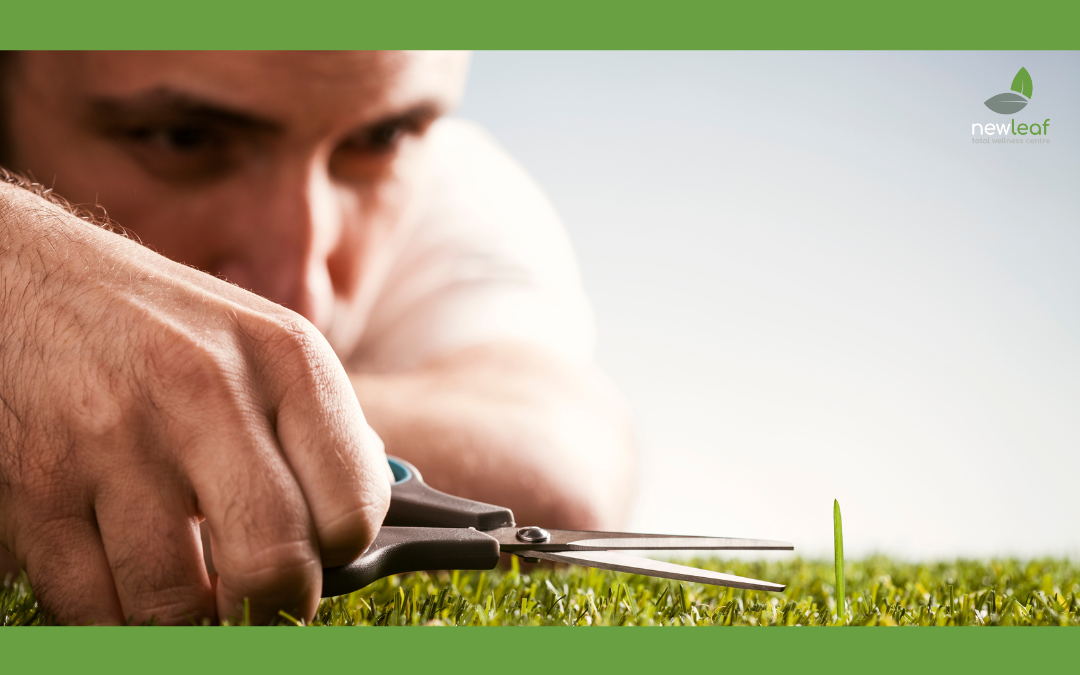
People often misinterpret perfectionism as striving to be the best, but it is more complex. Brene Brown describes it as believing that achieving perfection in our actions, appearance, and life can protect us from criticism, blame, and shame. Despite its promise of protection, perfectionism often results in stress, anxiety, and self-doubt.
Defining Perfectionism
Perfectionism extends beyond high standards to an all-or-nothing mindset where falling short of flawless is unacceptable. This mentality can affect various life areas, such as work and relationships, leading to dissatisfaction and a fear of failure. Trying to be perfect is not self-improvement. Perfectionism is, at its core, about trying to earn approval. Brown also warns, “Perfect and bulletproof are seductive, but they don’t exist in the human experience.” Acknowledging this is the first step toward overcoming perfectionism.

The Dangers of Perfectionism
While pursuing excellence can fuel success, trying to be perfect can be crippling, often leading to:
- Procrastination: The fear of falling short of perfection can delay the initiation or completion of tasks.
- Mental Health Issues: Persistent self-criticism and fear of judgment contribute to anxiety, depression, and feelings of inadequacy.
- Relationship Strain: Expectations can extend to others, causing frustration and conflict.
- Decreased Productivity: Focusing excessively on details can impede task completion and stifle creativity.
- Shame: Perfectionism is shame avoidance. Shame is a universally uncomfortable emotion that creates fear that we are unworthy of connection. However, because perfection is unattainable, shame ultimately follows us on our quest for perfection.

Identifying Perfectionism
Recognizing signs of perfectionism is essential. If you frequently struggle to meet your own standards, feel anxious or frustrated trying to fulfill them, or hear that your standards are too high, perfectionistic tendencies might be the issue.
Reflective Questions:
- Do I find it difficult to meet my standards?
- Am I often anxious or frustrated in trying to meet them?
- Have others remarked that my standards are excessively high?
- Do my standards prevent me from completing tasks or enjoying life?
- Am I critical of others who fail to meet my high expectations?
- Do I have different expectations for myself than I do for others?

Examples of Perfectionist Thoughts and Behaviors
Perfectionist Feelings:
- Feeling anxious or depressed when unable to meet self-imposed expectations.
- Engaging in constant self-criticism despite putting in effort and time.
- Feeling ashamed or uncomfortable with compliments.
Perfectionist Thinking:
- Black-and-white thinking: Viewing anything less than perfect as a failure.
- Catastrophic thinking: Assuming the worst will happen if you make a mistake.
- Should Statements: Believing you must always be perfect and never show weakness.
Perfectionist Behavior:
- Chronic procrastination or giving up when tasks aren’t perfect.
- Excessive checking for errors or unnecessarily redoing work.
- Avoiding new experiences to prevent mistakes.

Strategies to Overcome Perfectionism
a) Realistic Thinking vs Perfectionism
Replace negative, self-critical thoughts with realistic, positive affirmations. Consistent practice can foster new thought patterns.
Examples:
“Nobody is perfect!”
“All I can do is my best!”
“Making a mistake is human.”
b) Perspective Taking
Challenge distorted perspectives by considering others’ viewpoints. Ask yourself:
- How would a friend see this situation?
- Are there alternative perspectives?
c) Consider the Big Picture
Redirect your focus from details to broader perspectives by asking:
- What’s the worst that could happen?
d) Compromising vs Perfectionism
Establish flexible, realistic standards and be open to compromise.

Moving Forward
Overcoming perfectionism involves accepting imperfections and valuing progress over flawlessness, not lowering your standards. By practicing these strategies and acknowledging perfection’s unrealistic nature, you can lead a more fulfilled, balanced life.
If you’re ready to address your perfectionism further, consider professional guidance. Engage with mental health professionals, join support groups, or read insightful books to support your self-improvement. While perfection may be an illusion, growth and happiness are attainable.
Written by: DeVera Nybo, Owner, Newleaf Total Wellness Centre

Healthy Habits & Lifestyle
Have you ever found yourself saying, “I’m so tired.” even after a full night’s sleep? You’re not alone. Many adults struggle with feeling refreshed upon waking, and the reasons can be as multifaceted as they are frustrating.
Understanding the complexities of sleep can seem daunting, but rest assured—it’s not impossible. Let’s unravel why you might not feel rested and how you can harness the power of routines to transform your night into a more restful experience.
The Sleep Deprivation Cycle
Sleep deprivation is more common than we think. According to the CDC, 1 in 3 adults don’t get enough. But what causes this cycle of tiredness even when we believe we’re getting enough shut-eye?

-
Sleep Disorder Suspects
Conditions like sleep apnea or insomnia might be the culprits. Sleep apnea disrupts breathing, causing interruptions throughout the night, while insomnia prevents you from falling or staying asleep. Both can leave you exhausted despite spending 7-8 hours in bed.
-
Poor Sleep Hygiene
Good sleep hygiene—habits and practices that promote consistent, uninterrupted slumber—is crucial. If your nightly routine includes late-night caffeine, irregular schedules, or blue light exposure before bed (yes, your phone or the TV), these habits might sabotage your restful night.

-
Stress and Mental Health
Mental health significantly impacts the quality of a good night’s rest. Anxiety and stress can keep your mind active, making it difficult to relax and drift into deep sleep phases essential for feeling rested.
How to Achieve Restful Sleep
With the right strategies, you can improve your chances of waking up refreshed. Here’s how:
-
Revamp Your Sleep Hygiene
- Consistent Schedule: Go to bed and wake up at the same time every day, even on weekends. Consistency helps regulate your body’s internal clock.
- Create a Bedtime Routine: Engage in relaxing activities like reading or listening to music before bed. Avoid screens at least an hour before you retire for the night.
- Optimize Your Environment: Ensure your bedroom is dark, quiet, and cool. Consider blackout curtains and white noise machines if needed.

-
Evaluate Your Sleep Quality
Monitor your sleep patterns using apps or sleep trackers. They can provide insights into how often you wake up during the night or the length of your sleep cycles.
-
Address Physical and Mental Health
Consult with a healthcare professional if you suspect a disorder or if stress and anxiety are affecting your ability to get a good night’s rest. Treatment options and therapy can make a significant difference.
-
Diet and Exercise
Maintain a balanced diet and regular exercise regimen. Both can enhance sleep quality. However, avoid heavy meals and vigorous activity close to bedtime.

Conclusion
Feeling perpetually tired can be disheartening, but understanding the root causes and adopting healthier habits can help you reclaim restful nights. Prioritize your sleep hygiene and consider professional advice if necessary.
Remember, a well-rested you is a more productive, happier you. Take the first step towards transforming your life today!
For more tips on healthier lifestyles, subscribe to our blog posts and join our community of health enthusiasts committed to wellness and self-care.

Pain Relief and Physical Health
In today’s digital age, the relentless clicking, typing, and scrolling can take a toll on our hands and forearms. Whether you’re a dedicated gamer, an office worker glued to your desk, or simply someone who values massage therapy, prioritizing hand and forearm care is essential. Let’s explore why massaging your hands and forearms, especially your mouse hand, can be a game-changer for ergonomic health and gaming comfort.
The Hidden Stress in Your Hands and Forearms
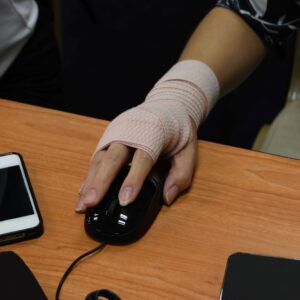
The repetitive motions associated with prolonged computer use or gaming can lead to tension and strain in your hands and forearms. This stress can result in discomfort, reduced mobility, and even issues like carpal tunnel syndrome. While ergonomic keyboards and mice can help, they don’t eliminate the strain entirely.
The Role of Hand and Forearm Massage
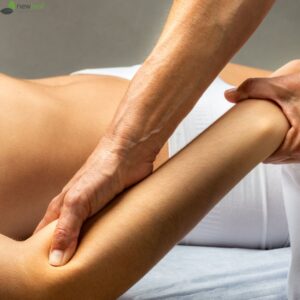
Regular hand and forearm massages can alleviate tension, improve circulation, and promote overall ergonomic health. Here’s how:
- Relieves Muscle Tension: Massaging the hands and forearms helps release tight muscles, reducing pain and stiffness.
- Enhances Blood Flow: By stimulating circulation, massage delivers oxygen and nutrients to the muscles, aiding recovery and promoting healing.
- Improves Flexibility: Regular massage therapy increases joint flexibility and hand mobility, which is essential for typing and gaming.
- Reduces Stress: Beyond physical benefits, massage is known for its relaxing effects, helping to reduce stress and promote mental well-being.

Benefits for Gamers’ Hands and Forearms
For gamers, hand and forearm massages offer specific advantages:
- Increased Gaming Comfort: Reducing tension and discomfort enhances your gaming experience, allowing more extended and enjoyable play sessions.
- Enhanced Performance: Improved circulation and flexibility can improve reaction times and overall performance in fast-paced games.
- Prevention of Injuries: Regular massage can prevent repetitive strain injuries, keeping you in the game longer without pain.
Office Workers’ Hand and Forearm Health
Office workers, too, can benefit significantly from regular hand and forearm massages:
- Improved Productivity: Reducing discomfort allows for more focused work, increasing daily productivity.
- Enhanced Comfort: A massage helps alleviate the aches and pains of prolonged desk work, improving overall comfort.
- Long-Term Health: Regular massages can help prevent long-term issues, such as carpal tunnel syndrome, by maintaining muscle and joint health.
Massage Enthusiasts’ Perspective
Massage enthusiasts already appreciate the benefits of bodywork, and hands and forearms are no exception. Incorporating these areas into regular massage routines:
- Completes the Experience: Addressing often-overlooked areas like the hands and forearms can provide a more holistic massage experience.
- Enhances Relaxation: Adding hand and forearm massage to your routine can further deepen the relaxation and therapeutic benefits.
Integrating Hand and Forearm Massage into Your Routine
Whether you choose a professional massage therapist or learn self-massage techniques, incorporating hand and forearm massages into your routine is simple. Consider setting aside time each week to focus on these areas by booking a session or using tools like massage balls or rollers.
Conclusion
Incorporating hand and forearm massage into your life is a simple yet effective way to enhance ergonomic health and gaming comfort. By making it a regular part of your routine, you can enjoy increased comfort, improved performance, and better overall well-being. Don’t wait until discomfort sets in—take proactive steps to care for your hands and forearms today.
Ready to experience the benefits for yourself? Book a massage session today or explore self-massage techniques to start feeling the difference. Your hands and forearms will thank you!
Written By: DeVera Nybo, MBA, Owner Newleaf Total Wellness Centre

Pain Relief and Physical Health
Patients want to get better faster, but they often find themselves waiting for treatments to work their magic. The reality is that effective healthcare requires active participation. This partnership between practitioners and patients is crucial for achieving the best outcomes, and this is where understanding and adhering to the Patients’ Charter of Rights and Responsibilities becomes essential in your path to getting better faster.

Patients’ Charter : A Key to Get Better Faster
The Patients’ Charter is a documented agreement that outlines the rights and responsibilities of patients within the healthcare system. It fosters a partnership of care, ensuring everyone involved understands their roles. By adhering to this charter, patients can significantly enhance their treatment experience and outcomes, ultimately helping them get better faster.
Rights of Patients
Before discussing responsibilities, let’s acknowledge patients’ rights, which protect them and ensure that practitioners deliver care with dignity and respect. These rights empower you to advocate for yourself within the healthcare system, facilitating a faster recovery:
- Right to Informed Consent: Ensures you receive complete and understandable information about your treatment options, enabling you to make informed decisions.
- Right to Privacy and Confidentiality: Protects your personal health information, ensuring it’s only disclosed with your consent or as required by law.
- Right to Respect and Dignity: Entitles you to respectful and considerate care, regardless of your background or condition.

Patient Responsibilities for Getting Better Faster
Effective healthcare is a two-way street. To get better faster, you must engage actively with your healthcare providers. Here are your essential responsibilities:
- Cooperative Commitment to Your Treatment Plan: A successful healthcare experience requires a genuine commitment to the treatment plan outlined by your provider:
- Compliance with Office Policies and Procedures: Adhere to the healthcare facility’s guidelines, including appointment schedules and payment of fees.
- Honest Disclosure of Health Information: Provide accurate and complete information about your health history, current symptoms, and medications or supplements you take.
- Active Participation in Your Recovery: Your recovery is not passive. To optimize results and get better faster, you must:
- Follow Home Exercises and Medication Regimens: Compliance with prescribed exercises, medications, and supplements is critical to your treatment and recovery.
- Provide Constructive Feedback: Share honest feedback about your treatment experience to help healthcare providers tailor their care to suit your needs better.
- Respect for the Healthcare Environment: Maintain a respectful attitude towards the office environment, staff, and fellow patients, creating a positive atmosphere conducive to healing.
- Keep Your Contact Information Up-to-Date: Ensure your healthcare provider has your contact information to facilitate communication and scheduling.

The Equal Role of Practitioners and Patients
Remember, treatment is a collaborative effort. Both you and your practitioner have equal roles in your recovery and rehabilitation. While healthcare professionals provide expertise and guidance, they cannot “make you well” alone. You must actively participate in your health and well-being to get better faster.
Conclusion
A successful healthcare experience is built on mutual understanding and cooperation between patients and practitioners. By recognizing your rights and fulfilling your responsibilities outlined in the Patients’ Charter, you can become an empowered partner in your care, ultimately getting better faster.
For more guidance on actively participating in your treatment plan, or if you have any questions about your rights and responsibilities, please get in touch with us or book an appointment with our Patient Care Coordinator today. Together, we can achieve the best possible outcomes through a strong partnership of care.
Written by: DeVera Nybo, MBA, Owner Newleaf Total Wellness Centre

Therapy Options Explained
When managing our health and well-being, making informed care decisions is crucial. Yet, the sheer volume of healthcare options can be overwhelming. This is where Newleaf Total Wellness Centre steps in—committed to simplifying this process for patients like you. At Newleaf Total Wellness Centre, we offer more than just a multidisciplinary clinic; we embody an interdisciplinary approach where comprehensive patient care forms our foundational ethos. Our mission is to deliver evidence-informed treatment coupled with patient-centred care, empowering you to become Stronger, Braver, and Better.
Working With a Patient Care Coordinator to Determine Healthcare Options
Imagine entering a world where your health concerns are met with attentive care from the outset. At Newleaf Total Wellness Centre, that’s what you experience with our Patient Care Coordinator (PCC)—your personalized healthcare concierge putting your needs first.
Upon arrival, our PCC conducts a comprehensive initial evaluation. This conversation is the first step in navigating the complex maze of healthcare pathways. Following this assessment, the PCC will make treatment recommendations based on your needs, expectations and personality – finding a practitioner or team of practitioners that best fits you. This seamless collaboration allows us to craft a comprehensive, individualized treatment plan that may involve one or multiple practitioners from our facility.

The Commitment to Patient-Centered Care
At the heart of Newleaf Total Wellness Centre’s philosophy lies an unwavering commitment to being patient-centric. It’s about listening, understanding the nuances of your health concerns, and partnering with you on your healing journey. Newleaf Total Wellness Centre stands as a testament to the power of integrating disciplines, breaking down the silos commonly found in healthcare to deliver care that genuinely resonates with our patients’ aspirations for wellness.
By joining the Newleaf Total Wellness Centre community, you’re not just choosing treatment but empowering yourself with knowledge and care tailored to you. Through our collaborative spirit and dedication to excellence, we guide you toward becoming a healthier, stronger version of yourself.

A Closer Look at Our Patient Care Coordination Services
Tailored Support for ICBC Patients
For ICBC patients seeking a structured, efficient pathway to recovery, our PCC service is here to empower them with the knowledge and resources to regain their strength and well-being.
- Accident Details Review: Our PCC will review your accident details to tailor your recovery plan.
- Healthcare Options: Get informed about the treatments available to aid your recovery.
- Clinic Orientation: Familiarize yourself with our offerings and procedures.
- Appointment Coordination: Ensure seamless care by booking and coordinating your appointments.

Dedicated Care for WorkSafe BC Patients
This service caters to WSBC patients, providing injured workers with an overview of assessment and treatment plans, rehabilitation protocols, and the Return-to-Work process.
- Informed Consent & Program Review: Understand expectations and policies clearly.
- Clinic Tour: Get acquainted with our facilities and services.

Comprehensive Support for Chronic Pain and Complex Medical Needs
Our PCC will:
- Initial Consultation: Meet to obtain a brief patient history and understand your health challenges.
- Needs Evaluation: Assess and suggest an optimal course of action.
- Healthcare Options: Get informed about the treatments available to aid your recovery.
- Appointment Scheduling: Assist in booking specialists and ensuring continuity of care.

General Patient Service Choice Consultation
For new patients, this consultation helps you decide which services best your needs.
- Service and Practitioner Selection: Choose the right service and practitioner for effective, personalized care.
- Free Consultation: Receive expert advice without cost.
- Healthcare Options: Get informed about the treatments available to aid your recovery.
- Time and Money Savings: Direct you to the most appropriate services to avoid unnecessary expenses.
Conclusion
Choosing Newleaf Total Wellness Centre means opting for a center that has mastered the art of interdisciplinary care, ensuring every patient’s story is heard and their health goals are met with unmatched expertise. Ed, DeVera and the entire Newleaf team invite you to experience the quality of care that defines our legacy of support and strength.
Are you ready to take control of your well-being and chart a course for better health? It’s time to turn over a new leaf at Newleaf Total Wellness Centre—where we nurture your strength and bravery, and you become better, one healing step at a time.
To learn more about how we can assist you in your health and wellness journey, contact us at Newleaf Total Wellness Centre. Our doors are open to welcome you into our healing space.

Therapy Options Explained
In a world of fad diets and quick fixes, where people sometimes view wellness practices as a status symbol, IV therapy has taken the spotlight as a modern cure-all. Once confined to hospitals and emergency care, practitioners promote intravenous treatments as an important wellness regimen for the health-conscious individual. But does the science stack up to the hype? This blog post drip-feeds you information on IV therapy, guiding wellness enthusiasts through the pros and cons.
What is IV Therapy?
Intravenous (IV) therapy directly administers fluids, vitamins, minerals, and sometimes medications into the bloodstream. Bypassing the digestive system ensures a higher absorption rate and quicker usefulness than oral ingestion. Critically, it’s a medical professional’s tool for patient care. Still, the wellness industry has adopted it as a quick fix for hydration, energy boosts, and nutrient supplementation.

Pros of IV Therapy in Wellness
Immediate Hydration: Dehydration is a silent creeper that can affect everything from cognitive function to skin health. intravenous treatments deliver hydration straight into your veins; advocates claim you can feel refreshed within minutes.
High Bioavailability: The absorption of nutrients is significantly higher when delivered intravenously. This is a crucial argument, especially for those with malabsorption issues or those seeking immediate nutrients post-excessive alcohol intake or extreme physical exertion.
Customization: Practitioners personalize ‘cocktails’ to address specific wellness goals or deficiencies. Whether it’s a boost in vitamin C, a glutathione shot for antioxidant effects, or magnesium to improve muscle function, there is a concoction for almost every conceivable need.
Convenience: For active individuals or those who abhor pill-popping, IV therapy can be a convenient way to receive nutrients. The sessions typically last under an hour and you can receive them in many clinics and IV lounges around the country.

Cons of IV Therapy in Wellness
Cost and Accessibility: IV regiments have a steep price tag when used regularly. Unless one has a malabsorption issue, daily oral supplements are less expensive and provide the body with more consistent access to the required nutrients. Additionally, as intravenous treatments are not readily accessible to everyone, it raises questions about the equality of health and wellness practices.
Risk of Complications: Although rare, IV therapy carries risks such as infection, vein inflammation, and, in some cases, hypervolemia — an excess of fluid in the bloodstream. Only specially trained medical personnel should perform these treatments.
Lack of Regulation: Government regulations do not hold IV therapy lounges to the same stringent standards as medical facilities. This could pose safety concerns for consumers. It is crucial, if you want to get intravenous treatments, that you attend a reputable clinic and have a licensed professional dose and administer this therapy.
Questionable Necessity: Most individuals can keep optimal hydration levels and nutrient status through diet and oral supplements. For them, IV therapy could be more of a luxury or status symbol than a necessity. The body quickly flushes most of the nutrients out through its system which you can easily see (and smell) in urine.
Research and Evidence
The evidence supporting IV therapy for wellness is a saline bag of mixed results. Limited conclusive research exists on the benefits of intravenous treatments for those without medically necessitated conditions.

Chasing the Vein of Truth
The bottom line? IV therapy for wellness is still an area riddled with anecdotal success stories and a shortage of scientific backup. It might be a shot in the arm for some, while others could see minimal or placebo effects. Personally, IV therapy is often the only thing that gets me back up and running. On the other hand, my husband sees no results at best, and often actually feels worse after IV therapy.
If you’re considering joining the IV league, consult with healthcare professionals, weigh your options, and stay tuned to genuine research. Your wellness routine should be as well-informed as it is well-intentioned.
Remember, the best wellness strategy encompasses a sensible diet, regular exercise, and mindful lifestyle choices. The drip, drip, drip of IV therapy might sound tempting, but don’t let the seduction of the needle prick away at the fabric of holistic health practices.
Stay vibrant, inside and out!
Written by: DeVera Nybo, MBA, Owner, Newleaf Total Wellness Centre.

Women's and Children's Health
Women’s health is a complex and diverse field that demands our attention and understanding. At Newleaf Total Wellness Centre, we advocate for proactive and preventative measures to enhance our quality of life. This blog post delves into five crucial health issues that every woman should be well-informed about. We provide insights into risk factors, symptoms, and holistic approaches to prevention and treatment, all of which are essential for maintaining optimal health.
1. Heart Disease & Stroke in Women
Understanding the Issue in Terms of Women’s Health
Heart disease and stroke are significant women’s health concerns, often underestimated in comparison to their impact on men. Despite common misconceptions, cardiovascular diseases claim more female lives annually than any other cause. Factors such as hormonal influences, pregnancy-related complications, and lifestyle choices uniquely affect women’s cardiovascular health. It is crucial to recognize symptoms, which can differ from those experienced by men, and prioritize regular check-ups. Increased awareness, education, and proactive healthcare can help mitigate the risks and improve outcomes for women facing these potentially life-threatening conditions.
Risk Factors
Symptoms
Symptoms of heart disease in women can often be subtler than in men. Common signs include:
- Pain in the neck, jaw, or back
Holistic Approaches to Prevention and Treatment
Physiotherapy: Regular physical activity is crucial. Physiotherapists can design tailored exercise programs to improve cardiovascular health. Physiotherapy plays a vital role in stroke rehabilitation. It helps survivors re-learn skills and adapt to abilities lost due to brain damage.
Massage Therapy: Can reduce stress and lower blood pressure, contributing to heart health. For individuals who have undergone cardiac procedures, massage may aid in their recovery1. The Massage Therapy Foundation (MTF) is funding research to explore this further.
Acupuncture & TCM: These ancient practices help regulate bodily functions and improve cardiovascular health. Health care professionals need to be aware of TCM’s role in heart disease management to provide safe and effective care to patients who use combination therapies 2.
Naturopathic Doctor: Natural remedies and dietary recommendations may help manage risk factors like high blood pressure and cholesterol. Some natural supplements (e.g., omega-3 fatty acids, CoQ10, garlic) may support heart health. Certain herbs (e.g., hawthorn, garlic, ginger) have potential cardiovascular benefits.

2. Breast, Ovarian, and Cervical Cancer
Understanding the Issue in Terms of Women’s Health
Breast, ovarian, and cervical cancers are huge concerns in women’s health globally, each requiring distinct attention and awareness. Breast cancer, the most common among women, affects the breast tissue and can be detected early through regular mammograms and self-examinations. Ovarian cancer, often termed a “silent killer” due to its subtle symptoms, primarily affects the ovaries and is typically diagnosed at a later stage, making awareness of risk factors and genetic predispositions vital. Cervical cancer, largely preventable through the Human Papillomavirus (HPV) vaccination and regular Pap smears, impacts the cervix and highlights the importance of routine gynecological check-ups. Understanding these cancers, their risk factors, early detection methods, and preventive measures is crucial in the fight against women’s cancer and underscores the need for ongoing education and research.
Risk Factors
- Genetic mutations (e.g., BRCA1/BRCA2)
- Hormone replacement therapy
Symptoms
Symptoms can vary but may include:
- Changes in menstrual cycles
Holistic Approaches to Prevention and Treatment
Manual Osteopathy: Supports the body’s structural framework, which can help alleviate pain and improve mobility post-surgery or treatment.
Physiotherapy: Assists in recovery and regaining strength post-treatment.
Massage Therapy: Helps reduce stress and manage pain during and after cancer treatment.
Naturopathic Doctor: Provides nutritional guidance and supplements to support the immune system.
Hypnotherapy: Can help manage anxiety and pain associated with cancer treatments.

3. Osteoporosis
Understanding the Issue in Terms of Women’s Health
Osteoporosis is another big concern in woman’s health due to the natural decline in estrogen levels that occurs with menopause. This condition, characterized by weakened bones and an increased risk of fractures, affects millions of women worldwide. Understanding the risk factors is crucial for prevention and management. These include age, family history, low body weight, and certain medications. Lifestyle choices also play a vital role; insufficient calcium and vitamin D intake, lack of physical activity, and smoking can contribute to the development of osteoporosis. Early detection through bone density tests and adopting a proactive approach with diet, exercise, and possibly medication can help manage and mitigate the risks associated with this debilitating condition.
Risk Factors
- Excessive alcohol consumption
Symptoms
Often called a “silent disease,” symptoms might not be apparent until a fracture occurs. Indicators include:
Holistic Approaches to Prevention and Treatment
Physiotherapy: Focuses on weight-bearing exercises to strengthen bones and improve balance.
Chiropractic: Ensures proper spinal alignment and reduces the risk of falls.
Massage Therapy: Enhances circulation and reduces muscle tension, aiding bone health.
Holistic Nutrition: Offers personalized dietary plans rich in calcium and vitamin D.
Acupuncture & TCM: Promotes bone strength and overall wellness through herbal treatments and acupuncture.

4. Depression & Anxiety in Women
Understanding the Issue in Terms of Women’s Health
Depression and anxiety are significant mental health women’s health concerns as they disproportionately affect women. Research indicates that women are nearly twice as likely as men to experience these conditions, often due to a combination of biological, hormonal, and psychosocial factors. Hormonal fluctuations related to menstruation, pregnancy, and menopause can exacerbate symptoms. Additionally, societal pressures, gender roles, and the increased likelihood of experiencing domestic violence or sexual abuse contribute to higher rates of these disorders among women. Understanding these gender-specific factors is crucial for developing effective treatment strategies and providing appropriate support to those affected. Addressing these issues through education, awareness, and targeted interventions can help mitigate the impact of depression and anxiety on women’s lives.
Risk Factors
Symptoms
Common symptoms include:
- Persistent sadness or hopelessness
Holistic Approaches to Prevention and Treatment
Psychotherapy: Provides a space for emotional healing and coping strategies.
Hypnotherapy: Assists in accessing the subconscious mind to address underlying issues.
Acupuncture & TCM: Balances the body’s energy and reduces symptoms of depression and anxiety.
Massage Therapy: Alleviates physical tension and promotes relaxation.
Naturopathic Doctor: Offers natural supplements and lifestyle changes to support mental health.

5. Women’s Reproductive Health
Understanding the Issue in Terms of Women’s Health
Reproductive health issues in women encompass a wide range of conditions and challenges that can affect their physical, emotional, and social well-being. These women’s health issues include menstrual disorders, endometriosis, polycystic ovary syndrome (PCOS), infertility, sexually transmitted infections (STIs), and complications related to pregnancy and childbirth. Awareness and education about reproductive health are crucial to enable women to seek timely medical intervention and support. Access to comprehensive healthcare services, including regular screenings, contraceptive options, and prenatal care, plays an essential role in managing and preventing reproductive health issues. By addressing these concerns holistically, we can improve women’s overall health outcomes and empower them to make informed decisions about their bodies and lives.
Risk Factors
Symptoms
Reproductive health issues can present as:
- Irregular menstrual cycles
Holistic Approaches to Prevention and Treatment
Physiotherapy: Helps manage pain associated with menstruation and other reproductive health conditions.
Acupuncture & TCM: Regulates hormones and supports fertility.
Naturopathic Doctor: Provides natural remedies and dietary advice for hormonal balance.
Holistic Nutrition: Focuses on foods and supplements that support reproductive health.
Hypnotherapy: Addresses stress and anxiety related to reproductive health issues.

Recommended Everyday Tips for Women’s Health
- Stay Active: Incorporate physical activity into your daily routine.
- Balanced Diet: Eat various foods to meet all nutritional needs.
- Mental Health: Prioritize your mental well-being through mindfulness and self-care practices.
- Regular Check-ups: Keep up with scheduled health screenings and doctor visits.
- Hydration: Drink plenty of water to maintain optimal body function.
Conclusion
Understanding these five critical women’s health issues is the first step toward empowerment and proactive healthcare for women. At Newleaf Total Wellness Centre, we provide comprehensive, patient-centered care through a multidisciplinary approach. By combining evidence-informed treatments with holistic methods, we strive to help every woman achieve a stronger, braver, and better version of herself.
For those seeking to take control of their health, we invite you to partner with us on this journey. Contact Newleaf Total Wellness Centre today to learn more about our services and how we can support your well-being. Together, we can pave the way toward a healthier future.
Written By: DeVera Nybo, MBA, Owner, Newleaf Total Wellness Centre
Injury Rehab and Prevention
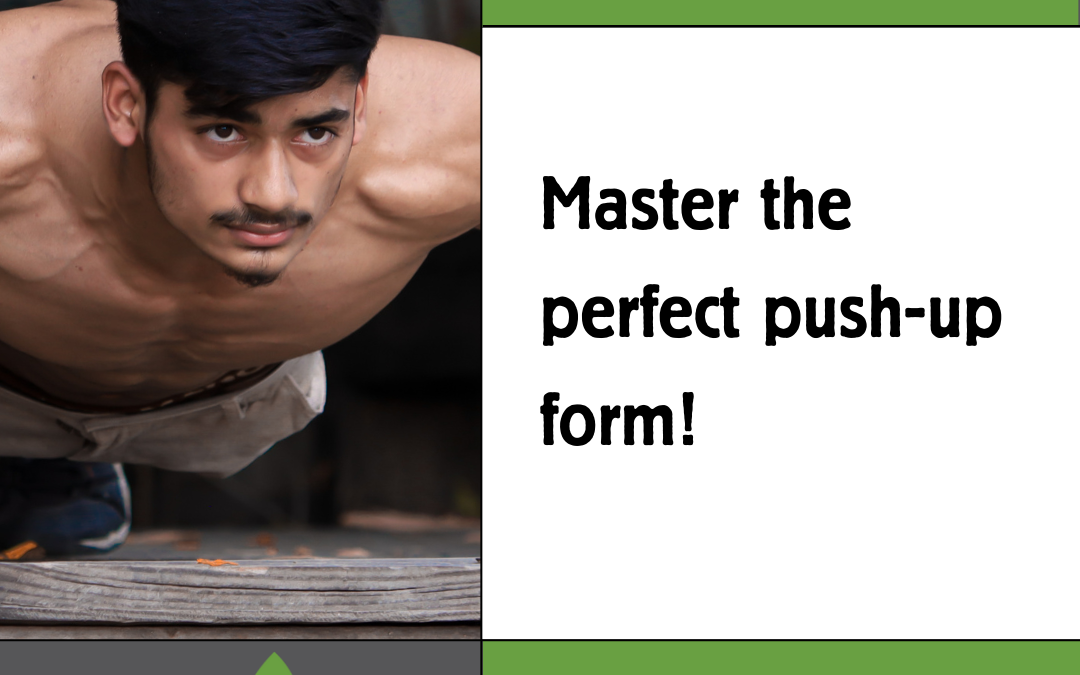
Push-ups are a cornerstone of fitness, celebrated for their simplicity and effectiveness. Whether you’re a seasoned athlete or just beginning your fitness journey, mastering the this exercise can significantly enhance your strength, endurance, and overall health. This guide will walk you through how to perform a proper push-up, address common pain points, and provide modifications to help you continue progressing in your fitness routine.
Introduction: The Benefits of Push-Ups
Push-ups are more than just an upper-body exercise. They engage multiple muscle groups, including the chest, shoulders, triceps, and core, making them a powerhouse move for full-body strength. Incorporating push-ups into your workout routine can improve muscle tone, enhance cardiovascular health, and increase overall functional fitness.
What is a Push-Up?
A push-up is a bodyweight exercise where you lift and lower your body using your arms while maintaining a rigid plank position. This simple movement is incredibly versatile, offering numerous variations to target different muscle groups and accommodate various fitness levels.

Muscles Worked by Push-Ups
- Chest (Pectorals): The primary muscle group engaged.
- Shoulders (Deltoids): Stabilize and assist in the movement.
- Triceps: Crucial for the pushing motion.
- Core: Keeps your body stable and aligned.
- Back (Latissimus Dorsi and Rhomboids): Provide additional support and stability.
Integrating Push-Ups into Your Workout Routine
To maximize the benefits of this exercise, integrate them into your routine with proper progression:
- Warm-Up: Always start with a warm-up to prepare your muscles and joints.
- Frequency: Aim for 3-4 times a week, allowing rest days in between.
- Sets and Reps: Begin with 2-3 sets of 8-12 reps, adjusting as you gain strength.
- Progression: Gradually increase intensity by adding more reps or trying advanced variations.

What is a Proper Push-Up?
Properly Performing a push-up is crucial to maximize benefits and prevent injury. Here’s a step-by-step guide:
- Start in Plank Position: Place your hands slightly wider than shoulder-width apart, shoulders are directly over wrists, and the body forms a straight line from head to heels.
- Engage Core and Glutes: Maintain a neutral spine by engaging your core and glutes.
- Lower Your Body: Bend your elbows at a 45-degree angle, keeping them close to your body. Lower yourself until your chest nearly touches the floor.
- Push Back Up: Press into your palms and extend your elbows, returning to the starting position. Ensure your body remains in a straight line throughout the movement.
Addressing Pain During Push-Ups
Experiencing pain during exercise can be discouraging, but there are modifications you can make to continue reaping the benefits without discomfort. Here’s how to adjust your form based on common pain points:
Wrist Pain
- Modification: Use push-up handles or perform them on your fists to keep your wrists in a neutral position. Alternatively, try incline push-ups with elevated hands on a bench or step.
Back Pain
- Modification: Ensure your core is engaged throughout the movement to prevent sagging hips. If pain persists, try knee or incline push-ups to reduce the load on your lower back.
 Neck Pain
- Modification: Keep your neck aligned with your spine by looking straight down. Avoid letting your head drop or craning your neck upwards.
 Shoulder Pain
- Modification: Adjust your hand placement to avoid excessive strain on your shoulders. Narrow your grip or try wall push-ups to reduce the load on your shoulder joints.
 Foot/Ankle Pain
- Modification: Place a folded mat or towel under your feet for added support. Ensure you evenly distribute your weight across your toes.
Push-Up Modifications for Different Fitness Levels
Regardless of your fitness level, there are push-up variations to challenge and help you progress.
Push-Up Beginner Modifications
- Wall Push-Ups: Stand facing a wall, place your hands on the wall at shoulder height, and perform push-ups.
- Knee Push-Ups: Perform push-ups with your knees on the ground, keeping your body in a straight line from head to knees.
- Incline Push-Ups: Place your hands on an elevated surface like a bench or step.

Push-Up Intermediate Modifications
- Standard Push-Ups: Perform push-ups using the proper form described above.
- Wide Push-Ups: Place your hands wider than shoulder-width apart to target the chest more.
- Diamond Push-Ups: Place your hands close together under your chest, forming a diamond shape with your fingers to target the triceps.

Push-Up Advanced Modifications
- Decline Push-Ups: Place your feet on an elevated surface to increase the difficulty.
- Plyometric Push-Ups: Perform explosive push-ups, lifting your hands off the ground at the top of the movement.
- One-Arm Push-Ups: Perform push-ups with one arm behind your back for an intense challenge.

Conclusion
Push-ups are a versatile and effective exercise that can be tailored to any fitness level. By understanding proper form, addressing pain points, and utilizing appropriate modifications, you can continue to benefit from this foundational movement. Remember, consistency and progression are essential. Whether you’re a beginner or an advanced athlete, there’s always room to grow and improve.
Ready to take your fitness to the next level? Start incorporating these variations into your routine today and experience the transformation. Keep pushing forward and stay committed to your health and fitness journey. If you are uncomfortable trying these ideas out on your own, contact Newleaf Total Wellness Centre and book an appointment with one of our Kinesiologists for guidance and support.
Written by: DeVera Nybo, MBA, Owner, Newleaf Total Wellness Centre
Real Patient Success Stories
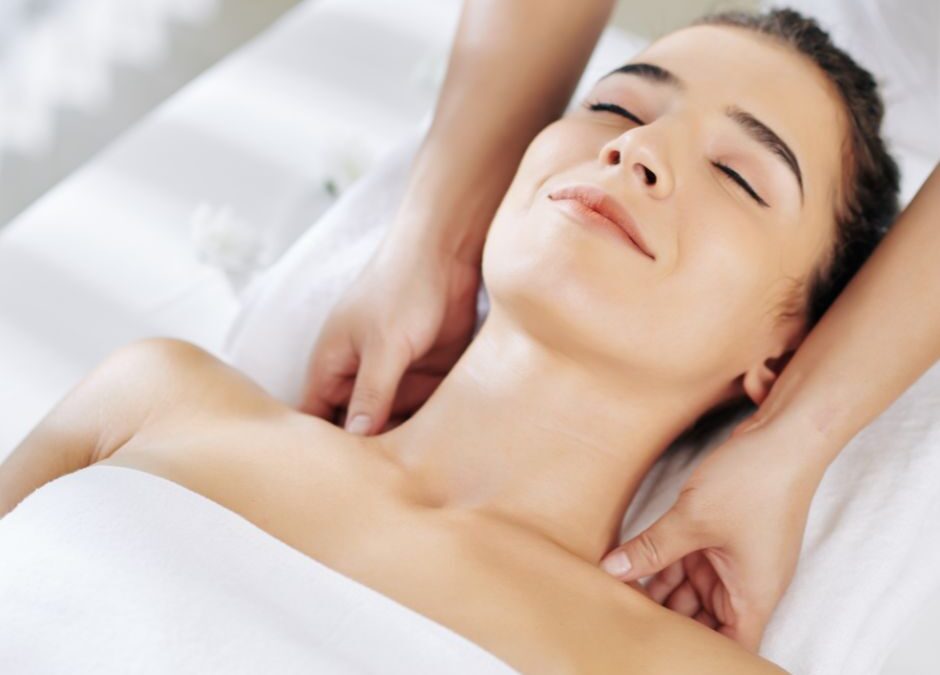
Massage therapy, a cornerstone of holistic health and wellness, offers a multitude of benefits, from pain relief to stress reduction. If you’re new to this practice, it’s natural to have questions or concerns before your first appointment. This comprehensive FAQ addresses the most common queries, providing you with the information and reassurance you need to feel prepared and at ease.
What Should I Expect at My First Massage?
Your first experience should be both relaxing and customized to your needs. Rest assured, your Registered Massage Therapist (RMT) is a professional who will begin with a brief consultation to discuss your health history, current issues, and goals for the session. This personalized approach helps tailor the treatment to your specific needs. Expect a serene environment with soft lighting and calming music to help you unwind
 .
.
What Should I Wear to a Massage? Do I Need to Take All My Clothes Off?
Wear whatever makes you comfortable. Most people undress to their comfort level, whether wearing underwear or fully undressing. Some people remain fully clothed and others wear shorts. Please know that our professional RMTs use draping techniques that ensure your privacy and comfort by only exposing the area they are working on at any given time.
What If I Fall Asleep or Drool?
Falling asleep or drooling during a massage is common and natural. It indicates deep relaxation and effective stress reduction. RMTs understand this and see it as a positive sign that you are benefiting from the session.
What If I Get Aroused?
Involuntary arousal, though rare, can occur due to relaxation and increased blood flow. It’s a natural physiological response. Professional therapists receive ample training to handle such situations discreetly and will continue the massage without drawing attention to it. Your comfort is paramount, so open communication with your therapist can help alleviate any concerns.

Can I Get a Massage If I Am Pregnant?
Prenatal massage is a specialized form of massage therapy designed for pregnant women. In BC, all RMTs receive specific training in prenatal massage. It can help alleviate common pregnancy-related discomforts such as back pain, swollen ankles, and stress. Be sure to inform your RMT about your pregnancy so they can take appropriate precautions and modify techniques to ensure both your safety and comfort. Getting a massage while pregnant is typically very safe. Even so, it is important to discuss your plans with your doctor prior to booking an appointment.
Do I Tip My RMT?
Tipping practices in the massage industry can vary. While it’s generally appreciated, it’s not expected. Tipping is more common in a spa environment than in a clinic setting. To avoid any uncertainty, it’s best to check with the clinic or your RMT about their specific tipping policies.
What Is the Difference Between a Relaxation Massage and a Therapeutic Massage?
A relaxation massage focuses on reducing stress and promoting general well-being through gentle, flowing strokes designed to relax muscles and improve circulation. RMT students, recent graduates (bodyworkers), and spa professionals often provide these. Most insurance plans do not cover student, bodyworker, or spa massages. On the other hand, a therapeutic massage targets specific areas of tension or pain with deeper pressure and techniques aimed at addressing musculoskeletal issues, improving function, and promoting healing. Registered Massage Therapists deliver therapeutic massages covered by insurance plans.

What If I Don’t Have Insurance?
Many people pay out-of-pocket for massage therapy due to its numerous health benefits. Some clinics offer packages or membership programs that make regular massages more affordable. RMT students or recent graduates may also provide excellent massages at lower rates. You might also consider shorter-duration massages scheduled further apart to fit your budget. If you were injured at work or in a car accident, WorkSafe BC or ICBC may help pay for your treatments.
How Do I Talk to My Therapist About Pressure? Sometimes, It Hurts, and Sometimes, it isn’t Enough.
Communication is not just encouraged, it’s vital to a successful experience. Don’t hesitate to speak up if the pressure is too much or too little. Your RMT aims to make you comfortable and provide the most effective treatment possible. They can adjust their techniques and pressure levels based on your feedback. Your comfort and satisfaction are our top priorities. If you have an injury or require deep tissue massage, the treatment may be uncomfortable at times, but it should never hurt. You may be more sensitive to therapeutic touch if you are close to your menstrual cycle or if you’ve recently experienced a traumatic event. It is crucial to openly share information with your RMT so they can adjust their technique and, if necessary, your treatment plan.
Conclusion
Massage therapy can be an incredibly beneficial addition to your health and wellness routine. By addressing these common questions and concerns, we hope to make your first—or next—massage experience as enjoyable and stress-free as possible. At Newleaf Total Wellness Centre, we prioritize patient care and work together as a team to help you achieve your wellness goals. For further questions or to book an appointment, don’t hesitate to contact us.

Healthy Habits & Lifestyle
In today’s fast-paced world, where efficiency and convenience often take precedence, it’s easy to overlook the small habits that can significantly impact our health. One such habit, particularly common among men, is storing wallets, phones, or other items in back pockets. While it may seem harmless, this practice can lead to unexpected back pain and other musculoskeletal issues.
The Wallet Conundrum
Imagine this scenario: you’re running late for a meeting. You grab your wallet, slide it into your back pocket, and dash out the door. Hours later, you’re sitting through your third consecutive meeting, and a nagging pain creeps up your lower back. Sound familiar? You’re not alone. Many men experience this discomfort, and often, the culprit is the wallet they’ve been sitting on all day.

Why Sitting on Your Wallet Is Bad News
When you sit on your wallet, your pelvis tilts to one side, which alters your spine’s position. Over time, this imbalance can strain your lower back, contributing to discomfort and potentially leading to more serious musculoskeletal issues. The practice can compress the sciatic nerve, leading to a condition known as wallet sciatica or piriformis syndrome, characterized by tingling and numbness in the legs.
Chiropractic Insights
At clinics like Newleaf Total Wellness Centre, chiropractors frequently encounter patients with back pain from sitting on their wallets. Newleaf emphasizes proper spinal care and offers evidence-informed treatment to address and prevent back pain. Our message is clear: eliminating small, detrimental habits can significantly improve musculoskeletal health.

Making the Change
The solution to this issue is simple yet requires a conscious effort to change long-standing habits. Here are a few tips to help you start:
- Switch to the Front Pocket: Remember to carry your wallet in your front pocket instead. It might feel odd at first, but your back will thank you.
- Slim Down Your Wallet: Evaluate what you carry around daily. Do you really need every card and receipt? Reducing the bulk can minimize the impact if you sit on it occasionally.
- Consider Alternatives: With the rise of digital wallets and minimalist cardholders, explore options that encourage carrying less and are more comfortable to store in a front pocket.
- Be Mindful of Posture: Regardless of where you keep your wallet, being aware of your sitting posture is crucial for spinal health. Ensure your back is supported, and maintain an even weight distribution.
- Get Up and Move: No ideal sitting position or ergonomic setup exists. Wiggle in your seat, shift positions often, stand or pace. Just move!

Final Thoughts
While it may seem inconsequential, the habit of storing items in your back pocket and sitting on them can have a significant impact on your back health. You can prevent pain and promote overall wellness by changing your daily routine. Remember, every small step towards a healthier lifestyle counts, and your back will undoubtedly appreciate the effort.
If you are experiencing back pain, book an initial assessment and treatment with one of our amazing Chiropractors.
Written by: DeVera Nybo, MBA, Owner, Newleaf Total Wellness Centre