Healthy Habits & Lifestyle
Discover Your Body’s Vibrant City: The Gut Microbiome
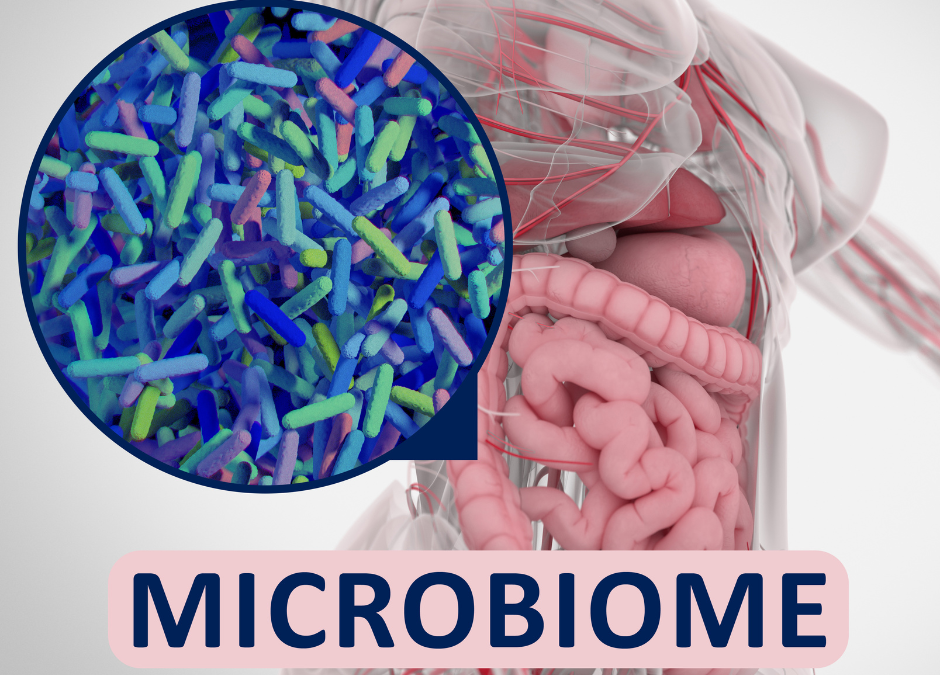
Think of your body as a city teeming with life. Your body houses trillions of tiny inhabitants that play a massive role in how you think, feel, and fight off sickness. We’re talking about your gut microbiome. It’s like the unsung hero inside you, bustling and brimming with activity that affects every beep and blip in your body’s systems.
Why Your Microbiome Holds the Key to Health
You have trillions of microscopic allies working tirelessly for your holistic health. This is the reality of your gut microbiome. Like the most caring guardians, they oversee critical aspects of your physical and mental well-being.

Understanding the Gut-Brain Axis
Have you ever wondered why you feel butterflies in your tummy before a big event? Or why a not-so-happy belly can ruin your mood? Prepare to be amazed because it all boils down to the magic between our gut and brain. The gut-brain connection, or the gut-brain axis, is a complex two-way communication system involving nerves and biochemicals between the digestive tract and the brain.
Key aspects of this connection include:
- Neural Pathways: Your central nervous system interacts with the enteric nervous system in the gut, mainly through the vagus nerve.
- Neurotransmitters: The gut manufactures crucial neurotransmitters like serotonin, which affects mood, appetite and sleep.
- Immune System: Gut immune cells communicate with the brain, impacting mood and behaviour.
- Microbiota: The diverse organisms in the gut can produce substances that influence neurological function.
Meet Your Inner Metropolis
Your gut microbiome isn’t just hanging out; it’s like a superorganism always chatting with your brain. Picture an intricate dance of signals and messages tying your gut and brain together in constant conversation.
The Gut-Brain Superhighway
This two-way street means that your gut doesn’t just listen – it talks back, influencing your mood and well-being. It’s a remarkable communication network that ties your emotions to your immunity, your stress to your stomach, and your dietary choices to your mental health.
Impacting Your Health in Every Way
Imagine the power this gives you over your health. Knowing this, you hold the key to unlocking better mental health, a stronger immune system, and an overall sense of harmony within – simply by understanding and caring for your gut.
Practical Tips for Microbiome Improvement
Loving your gut isn’t only about eating your greens or cutting out sugar (though that is important, too!). It’s also about fine-tuning hours.
Yes, you read that right – Hours of sleep, activity, stress levels, and even social interactions affect the balance of good bacteria in your gut. And with a healthy microbiome comes a happy mind!
The Balance Disruptors
Unfortunately, modern lifestyles may be waging war on our body’s microbiome. Here are the culprits that could be throwing your gut-brain axis off balance:
- Dietary Choices: Our fast-food culture often lacks the nutrients necessary to support a healthy microbiome.
- Antibiotic Use: While lifesaving, antibiotics can decimate beneficial and harmful gut bacteria.
- Stress: It’s not just a mental burden; stress can stunt the growth of good bacteria.
- Harsh Cleaning Products: They might keep our homes spotless, but they can also disrupt the delicate balance of our internal ecosystems.
- Environmental Factors: Pollution and other contaminants can have unseen effects on gut health.
- Certain Medications: Apart from antibiotics, other drugs can also alter the microbial landscape in our guts.
Paving the Path to Optimal Gut Health
Fear not; you can do much to nourish and support your gut microbes. Here’s how to optimize your gut bacteria for better health:
- Prebiotics (Fiber): These are the foods that your gut bacteria feast on. Think of high-fiber plants like bananas, onions, and oats.
- Probiotics: Often found in fermented foods like yogurt and sauerkraut, these foods help introduce friendly bacteria to your digestive system.
- Exercise: Studies show that regular physical activity enriches our gut flora diversity.
- Dietary Choices – Again!: A varied diet rich in whole foods supports a healthy microbiome.
- Natural Cleaning Products: Opting for gentler home and body cleaning products can keep your microbes merry.

Conclusion
The adage “trust your gut” gains new meaning when we consider how intimately it’s linked to our overall health. Through thoughtful daily choices in diet, exercise, and stress management, we bolster our guardians within. Take heart, knowing that with every fiber-rich bite and every mindful breath, you’re contributing to the vast community inside you that works around the clock to ensure your optimal health.
Care for your microbiome, and it will care for you -ushering you along a path filled with energy, balance, and joy. Start today. Embrace these simple yet profound steps towards an enriched life because a healthy gut means a happier you.
Remember, when your gut brims with life, so do you. Protect this precious treasure, and the rewards for your mind, body, and spirit will be immeasurable. To learn more, book a free consultation (15 minute meet and greet) with Lindsey Shields, a Holistic Nutritionist.
Written By: DeVera Nybo, MBA – Owner Newleaf Total Wellness Centre

Therapy Options Explained
When caring for our health, we can take many approaches to achieve our desired outcomes. One popular way to improve our well-being is by working with a qualified nutrition professional, such as holistic nutritionist or dietitian. While they may seem interchangeable, many differences between these two types of professionals can impact your healthcare journey. In this post, we will dive into the world of holistic nutritionists vs. dietitians to help you better understand which approach may be right for you.
Differences Between a Holistic Nutritionist and a Dietitian in Regulation and Coverage
One of the primary differences between a holistic nutritionist and dietitian is how they are regulated and covered by insurance plans. While the government fully recognizes and regulates dietitians, holistic nutrition professionals are not. Dietitians are legally entitled to provide nutritional therapy in clinical settings such as hospitals, diabetes clinics, or cancer centers. On the other hand, holistic nutritionists usually focus on educating patients so that they have a greater hand in their own health. Additionally, MSP typically does not cover private practice dietitians, but extended health benefit plans usually cover their fees. In contrast, most insurance companies do not cover holistic nutrition services. Still, some companies like Greenshield and Manulife will cover their fees under “Nutritional Counselling.”

Approach to Health and Well-being
Another critical difference between a holistic nutritionist and dietitian is how they approach health and well-being. While both professionals focus on whole foods and nutrition to improve wellness and health conditions, holistic nutritionists approach health and well-being from a whole-person perspective. Using nutritional education as their primary tool, holistic nutrition professionals emphasize each person as unique. They perceive health as a manifestation of the intricate interconnectedness between an individual’s physical, mental, emotional, spiritual, and environmental aspects. Consequently, holistic nutritionists consider all relevant factors when providing care to clients. By contrast, dietitians employ scientific research to convey the science of nutrition in a manner that is accessible and understandable. They tend to focus more on using tools like the Canadian Food Guide to help their clients. This guide suggests that everyone’s nutritional requirements are identical and do not necessarily consider individualized needs.

Education and Qualifications
Regarding education and qualifications, there are also differences between holistic nutritionists and dietitians. Registered Dietitians (RDs) typically earn a Bachelor of Science (BSc) degree in Food, Nutrition, and Health. In the final year of their program, they usually complete a few nutrition courses to enhance their knowledge and expertise further. Meanwhile, holistic nutritionists take courses in eastern and biological sciences, metabolic typing and other subjects to provide a more integrated approach. Dietitians undergo a rigorous peer-reviewed registration process before using the RD designation. Holistic nutritionists may be certified by governing bodies like CANNP, CSNN, or NANP, but it’s not mandatory. It’s important to note that both groups of professionals can offer various levels of experience and continuing education.
So Which is Better for Me? A Holistic Nutritionist or a Dietitian
While both holistic nutritionists and dietitians can help people improve their health, they take different approaches to achieve those outcomes. Dietitians are legally licensed to work in clinical settings and take a science-based approach to nutrition. Meanwhile, holistic nutritionists consider a holistic view of their clients, using nutritional education to empower them. Whatever strategy you choose, it’s important to consider your individual needs and goals. By understanding the differences between holistic nutritionists and dietitians, you can make an informed decision regarding your health and well-being.
To learn more about holistic nutrition, book a free consultation with Lindsey.
Therapy Options Explained
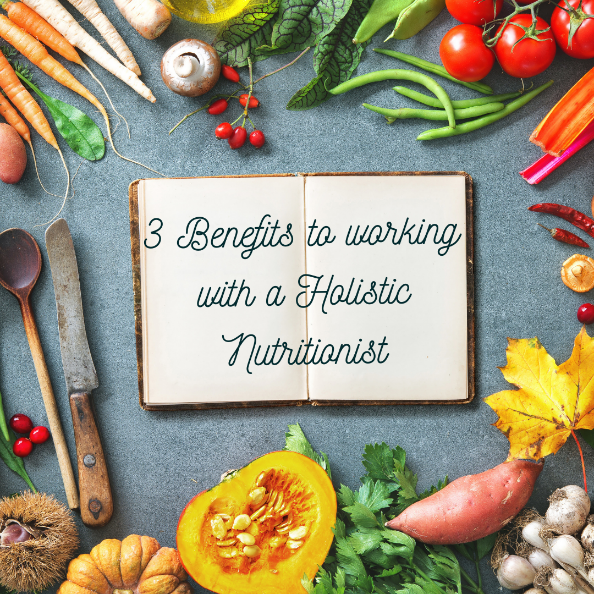
Upgrading any nutritional lifestyle can often feel daunting and or impossible to many. Especially if you have been scoring the internet looking for the perfect plan or diet lifestyle, or if you are dealing with specific health conditions and issues. Whether you are looking to improve your overall health, shed those unwanted pounds or manage an autoimmune dis-ease, a Registered Holistic Nutritionist (RHN) can help you reach the goals and results you want. Choosing a holistic nutritionist to work with you has a myriad of benefits, but there are three that stand out:
Why work with a holistic nutritionist?
#3 – Objective point of view. A nutritionist has been trained to evaluate your entire life: from dietary lifestyle, exercise, current health issues or concerns, symptoms, sleep, nutritional requirements along with other important factors and combine them with your goals for a comprehensive and objective recommendation.
#2 – No cookie cutter or fad diets. You are unique, as should your dietary lifestyle. A Holistic Nutritionist will help you design a plan that works for you. With expertise in different lifestyles AND understanding nutrition for the human body, they help you with it all. If you are managing chronic illness or if you are wanting to shed some unwanted weight (or gain weight), following a fad diet likely is not the best approach, and a Nutritionist can help you determine what personal lifestyle is best for optimal health.
#1 – Your own personal cheerleader. Making changes can be hard! Dietary lifestyles are no different. As you move through your journey having an outside voice, ear and insight can be one of the best parts of working someone. Holistic Nutritionists support you along the entire process, provide high fives and encouragement BUT also are able to make suggestions and or recommendations on the fly when things may not be going the way originally intended.
A Registered Holistic Nutritionist emphasizes whole, minimally processed foods that support health and well-being. Understanding what is best for you based on science, current lifestyle and goals is like putting together a puzzle which is exactly where a nutrition professional can help you.
Book your time with our Registered Holistic Nutritionist Michelle and begin your journey to optimal health!
#holisticnutritionist #nutritioncoach #transformation #goals #healthylife #nutrition #health #healthylifestyle #healthy #healthyfood #weightloss #diet #motivation #wellness #food #lifestyle #healthyliving #healthyeating #nutritionist #eatclean #foodie #weightlossjourney #newleafwellness