Therapy Options Explained
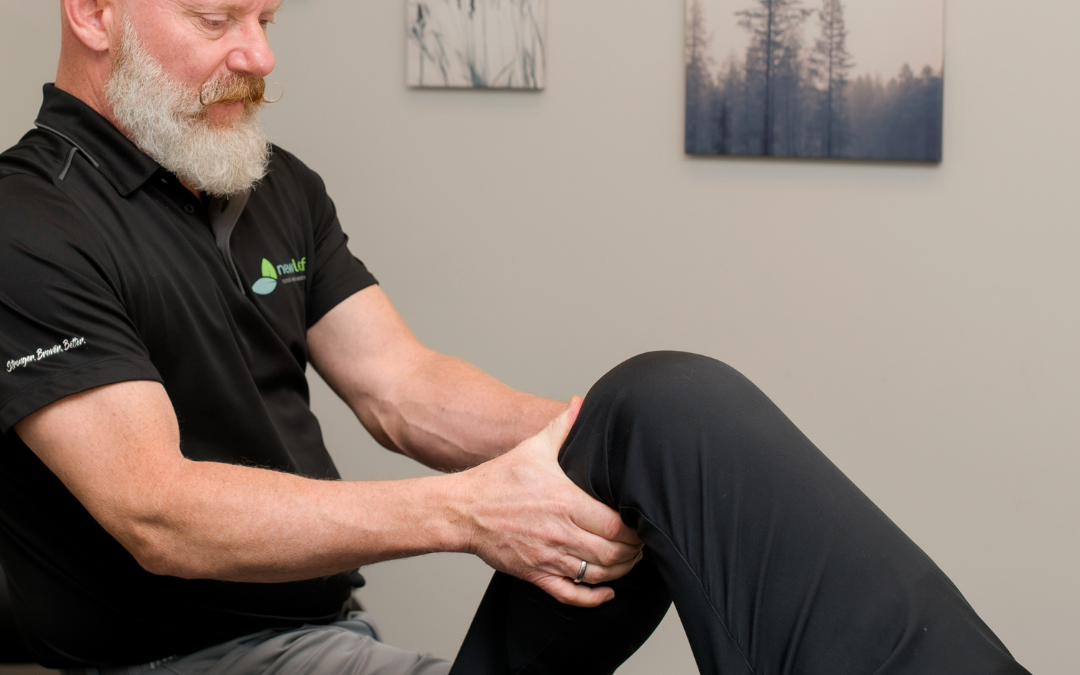
Undergoing surgery is a significant event that can impact your physical and emotional well-being. While the procedure may be necessary for your health, recovery can often feel daunting. But with the proper support, particularly from a skilled physiotherapist, and a solid post-surgery rehabilitation program you can regain your independence and return to your daily activities more efficiently.
The Role of Physiotherapy in Post-Surgery Rehabilitation
Physiotherapy is a crucial component of post-surgery rehabilitation. It focuses on restoring movement, improving strength, and reducing pain to help patients get back on their feet. Here’s how physiotherapy can aid in your recovery:

- Personalized Exercise Plans
Every surgical procedure and patient is unique, so physiotherapists create tailored exercise programs. They design these plans to meet your needs and recovery goals, ensuring safe and effective rehabilitation.
- Pain Management
Post-operative pain can hinder your progress. Physiotherapists use techniques such as manual therapy and targeted exercises to alleviate pain and discomfort, helping you move more freely.
- Improving Mobility and Strength
A primary goal of physiotherapy is to improve mobility and regain strength. Through structured exercises and therapies, physiotherapists focus on enhancing the function of the affected area, which is critical for restoring your independence.
- Preventing Complications
Prolonged immobility can lead to complications such as blood clots or muscle atrophy. Engaging in a physiotherapy program can help prevent these issues by promoting circulation and maintaining muscle tone.
What to Expect from Post-Surgery Rehabilitation Sessions
When you begin your post-surgery rehabilitation program, your physiotherapist will thoroughly assess your condition, surgery details, and personal goals. Here’s what a typical session might involve:
- Assessment – Evaluating your current range of motion, pain levels, and overall condition.
- Goal Setting – Establishing achievable milestones to keep you motivated and on track.
- Treatment Plan – Implementing exercises, manual therapy, and other treatments tailored to your needs.
- Progress Monitoring – Regularly reviewing your progress and adjusting your plan as necessary to ensure optimal recovery.

Tips for Maximizing Your Rehabilitation Success
- Be Consistent – Attend all scheduled physiotherapy sessions and perform any recommended exercises at home.
- Communicate Openly – Keep your physiotherapist informed about any pain or difficulties you experience.
- Stay Positive – Recovery can be challenging, but maintaining a positive mindset is crucial for success.
- Follow Post-Op Guidelines – Adhere to any restrictions or instructions provided by your surgeon and physiotherapist.
For Caregivers
If you’re caring for someone recovering from surgery, your support is essential to their rehabilitation. Encourage them to follow their physiotherapy plan, assist with exercises if needed, and ensure they’re comfortable and supported during this time.
Conclusion
Physiotherapy is an invaluable tool for anyone looking to regain independence after surgery. Working closely with a physiotherapist ensures your recovery is efficient, safe, and tailored to your needs. Don’t hesitate to explore the benefits of physiotherapy as part of your post-surgery rehabilitation process.
Ready to take the first step toward your recovery? Book an appointment with a qualified physiotherapist today and start your journey to reclaim your independence.

Pain Relief and Physical Health
Patients want to get better faster, but they often find themselves waiting for treatments to work their magic. The reality is that effective healthcare requires active participation. This partnership between practitioners and patients is crucial for achieving the best outcomes, and this is where understanding and adhering to the Patients’ Charter of Rights and Responsibilities becomes essential in your path to getting better faster.

Patients’ Charter : A Key to Get Better Faster
The Patients’ Charter is a documented agreement that outlines the rights and responsibilities of patients within the healthcare system. It fosters a partnership of care, ensuring everyone involved understands their roles. By adhering to this charter, patients can significantly enhance their treatment experience and outcomes, ultimately helping them get better faster.
Rights of Patients
Before discussing responsibilities, let’s acknowledge patients’ rights, which protect them and ensure that practitioners deliver care with dignity and respect. These rights empower you to advocate for yourself within the healthcare system, facilitating a faster recovery:
- Right to Informed Consent: Ensures you receive complete and understandable information about your treatment options, enabling you to make informed decisions.
- Right to Privacy and Confidentiality: Protects your personal health information, ensuring it’s only disclosed with your consent or as required by law.
- Right to Respect and Dignity: Entitles you to respectful and considerate care, regardless of your background or condition.

Patient Responsibilities for Getting Better Faster
Effective healthcare is a two-way street. To get better faster, you must engage actively with your healthcare providers. Here are your essential responsibilities:
- Cooperative Commitment to Your Treatment Plan: A successful healthcare experience requires a genuine commitment to the treatment plan outlined by your provider:
- Compliance with Office Policies and Procedures: Adhere to the healthcare facility’s guidelines, including appointment schedules and payment of fees.
- Honest Disclosure of Health Information: Provide accurate and complete information about your health history, current symptoms, and medications or supplements you take.
- Active Participation in Your Recovery: Your recovery is not passive. To optimize results and get better faster, you must:
- Follow Home Exercises and Medication Regimens: Compliance with prescribed exercises, medications, and supplements is critical to your treatment and recovery.
- Provide Constructive Feedback: Share honest feedback about your treatment experience to help healthcare providers tailor their care to suit your needs better.
- Respect for the Healthcare Environment: Maintain a respectful attitude towards the office environment, staff, and fellow patients, creating a positive atmosphere conducive to healing.
- Keep Your Contact Information Up-to-Date: Ensure your healthcare provider has your contact information to facilitate communication and scheduling.

The Equal Role of Practitioners and Patients
Remember, treatment is a collaborative effort. Both you and your practitioner have equal roles in your recovery and rehabilitation. While healthcare professionals provide expertise and guidance, they cannot “make you well” alone. You must actively participate in your health and well-being to get better faster.
Conclusion
A successful healthcare experience is built on mutual understanding and cooperation between patients and practitioners. By recognizing your rights and fulfilling your responsibilities outlined in the Patients’ Charter, you can become an empowered partner in your care, ultimately getting better faster.
For more guidance on actively participating in your treatment plan, or if you have any questions about your rights and responsibilities, please get in touch with us or book an appointment with our Patient Care Coordinator today. Together, we can achieve the best possible outcomes through a strong partnership of care.
Written by: DeVera Nybo, MBA, Owner Newleaf Total Wellness Centre

Women's and Children's Health
Women’s health is a complex and diverse field that demands our attention and understanding. At Newleaf Total Wellness Centre, we advocate for proactive and preventative measures to enhance our quality of life. This blog post delves into five crucial health issues that every woman should be well-informed about. We provide insights into risk factors, symptoms, and holistic approaches to prevention and treatment, all of which are essential for maintaining optimal health.
1. Heart Disease & Stroke in Women
Understanding the Issue in Terms of Women’s Health
Heart disease and stroke are significant women’s health concerns, often underestimated in comparison to their impact on men. Despite common misconceptions, cardiovascular diseases claim more female lives annually than any other cause. Factors such as hormonal influences, pregnancy-related complications, and lifestyle choices uniquely affect women’s cardiovascular health. It is crucial to recognize symptoms, which can differ from those experienced by men, and prioritize regular check-ups. Increased awareness, education, and proactive healthcare can help mitigate the risks and improve outcomes for women facing these potentially life-threatening conditions.
Risk Factors
Symptoms
Symptoms of heart disease in women can often be subtler than in men. Common signs include:
- Pain in the neck, jaw, or back
Holistic Approaches to Prevention and Treatment
Physiotherapy: Regular physical activity is crucial. Physiotherapists can design tailored exercise programs to improve cardiovascular health. Physiotherapy plays a vital role in stroke rehabilitation. It helps survivors re-learn skills and adapt to abilities lost due to brain damage.
Massage Therapy: Can reduce stress and lower blood pressure, contributing to heart health. For individuals who have undergone cardiac procedures, massage may aid in their recovery1. The Massage Therapy Foundation (MTF) is funding research to explore this further.
Acupuncture & TCM: These ancient practices help regulate bodily functions and improve cardiovascular health. Health care professionals need to be aware of TCM’s role in heart disease management to provide safe and effective care to patients who use combination therapies 2.
Naturopathic Doctor: Natural remedies and dietary recommendations may help manage risk factors like high blood pressure and cholesterol. Some natural supplements (e.g., omega-3 fatty acids, CoQ10, garlic) may support heart health. Certain herbs (e.g., hawthorn, garlic, ginger) have potential cardiovascular benefits.

2. Breast, Ovarian, and Cervical Cancer
Understanding the Issue in Terms of Women’s Health
Breast, ovarian, and cervical cancers are huge concerns in women’s health globally, each requiring distinct attention and awareness. Breast cancer, the most common among women, affects the breast tissue and can be detected early through regular mammograms and self-examinations. Ovarian cancer, often termed a “silent killer” due to its subtle symptoms, primarily affects the ovaries and is typically diagnosed at a later stage, making awareness of risk factors and genetic predispositions vital. Cervical cancer, largely preventable through the Human Papillomavirus (HPV) vaccination and regular Pap smears, impacts the cervix and highlights the importance of routine gynecological check-ups. Understanding these cancers, their risk factors, early detection methods, and preventive measures is crucial in the fight against women’s cancer and underscores the need for ongoing education and research.
Risk Factors
- Genetic mutations (e.g., BRCA1/BRCA2)
- Hormone replacement therapy
Symptoms
Symptoms can vary but may include:
- Changes in menstrual cycles
Holistic Approaches to Prevention and Treatment
Manual Osteopathy: Supports the body’s structural framework, which can help alleviate pain and improve mobility post-surgery or treatment.
Physiotherapy: Assists in recovery and regaining strength post-treatment.
Massage Therapy: Helps reduce stress and manage pain during and after cancer treatment.
Naturopathic Doctor: Provides nutritional guidance and supplements to support the immune system.
Hypnotherapy: Can help manage anxiety and pain associated with cancer treatments.

3. Osteoporosis
Understanding the Issue in Terms of Women’s Health
Osteoporosis is another big concern in woman’s health due to the natural decline in estrogen levels that occurs with menopause. This condition, characterized by weakened bones and an increased risk of fractures, affects millions of women worldwide. Understanding the risk factors is crucial for prevention and management. These include age, family history, low body weight, and certain medications. Lifestyle choices also play a vital role; insufficient calcium and vitamin D intake, lack of physical activity, and smoking can contribute to the development of osteoporosis. Early detection through bone density tests and adopting a proactive approach with diet, exercise, and possibly medication can help manage and mitigate the risks associated with this debilitating condition.
Risk Factors
- Excessive alcohol consumption
Symptoms
Often called a “silent disease,” symptoms might not be apparent until a fracture occurs. Indicators include:
Holistic Approaches to Prevention and Treatment
Physiotherapy: Focuses on weight-bearing exercises to strengthen bones and improve balance.
Chiropractic: Ensures proper spinal alignment and reduces the risk of falls.
Massage Therapy: Enhances circulation and reduces muscle tension, aiding bone health.
Holistic Nutrition: Offers personalized dietary plans rich in calcium and vitamin D.
Acupuncture & TCM: Promotes bone strength and overall wellness through herbal treatments and acupuncture.

4. Depression & Anxiety in Women
Understanding the Issue in Terms of Women’s Health
Depression and anxiety are significant mental health women’s health concerns as they disproportionately affect women. Research indicates that women are nearly twice as likely as men to experience these conditions, often due to a combination of biological, hormonal, and psychosocial factors. Hormonal fluctuations related to menstruation, pregnancy, and menopause can exacerbate symptoms. Additionally, societal pressures, gender roles, and the increased likelihood of experiencing domestic violence or sexual abuse contribute to higher rates of these disorders among women. Understanding these gender-specific factors is crucial for developing effective treatment strategies and providing appropriate support to those affected. Addressing these issues through education, awareness, and targeted interventions can help mitigate the impact of depression and anxiety on women’s lives.
Risk Factors
Symptoms
Common symptoms include:
- Persistent sadness or hopelessness
Holistic Approaches to Prevention and Treatment
Psychotherapy: Provides a space for emotional healing and coping strategies.
Hypnotherapy: Assists in accessing the subconscious mind to address underlying issues.
Acupuncture & TCM: Balances the body’s energy and reduces symptoms of depression and anxiety.
Massage Therapy: Alleviates physical tension and promotes relaxation.
Naturopathic Doctor: Offers natural supplements and lifestyle changes to support mental health.

5. Women’s Reproductive Health
Understanding the Issue in Terms of Women’s Health
Reproductive health issues in women encompass a wide range of conditions and challenges that can affect their physical, emotional, and social well-being. These women’s health issues include menstrual disorders, endometriosis, polycystic ovary syndrome (PCOS), infertility, sexually transmitted infections (STIs), and complications related to pregnancy and childbirth. Awareness and education about reproductive health are crucial to enable women to seek timely medical intervention and support. Access to comprehensive healthcare services, including regular screenings, contraceptive options, and prenatal care, plays an essential role in managing and preventing reproductive health issues. By addressing these concerns holistically, we can improve women’s overall health outcomes and empower them to make informed decisions about their bodies and lives.
Risk Factors
Symptoms
Reproductive health issues can present as:
- Irregular menstrual cycles
Holistic Approaches to Prevention and Treatment
Physiotherapy: Helps manage pain associated with menstruation and other reproductive health conditions.
Acupuncture & TCM: Regulates hormones and supports fertility.
Naturopathic Doctor: Provides natural remedies and dietary advice for hormonal balance.
Holistic Nutrition: Focuses on foods and supplements that support reproductive health.
Hypnotherapy: Addresses stress and anxiety related to reproductive health issues.

Recommended Everyday Tips for Women’s Health
- Stay Active: Incorporate physical activity into your daily routine.
- Balanced Diet: Eat various foods to meet all nutritional needs.
- Mental Health: Prioritize your mental well-being through mindfulness and self-care practices.
- Regular Check-ups: Keep up with scheduled health screenings and doctor visits.
- Hydration: Drink plenty of water to maintain optimal body function.
Conclusion
Understanding these five critical women’s health issues is the first step toward empowerment and proactive healthcare for women. At Newleaf Total Wellness Centre, we provide comprehensive, patient-centered care through a multidisciplinary approach. By combining evidence-informed treatments with holistic methods, we strive to help every woman achieve a stronger, braver, and better version of herself.
For those seeking to take control of their health, we invite you to partner with us on this journey. Contact Newleaf Total Wellness Centre today to learn more about our services and how we can support your well-being. Together, we can pave the way toward a healthier future.
Written By: DeVera Nybo, MBA, Owner, Newleaf Total Wellness Centre
Injury Rehab and Prevention
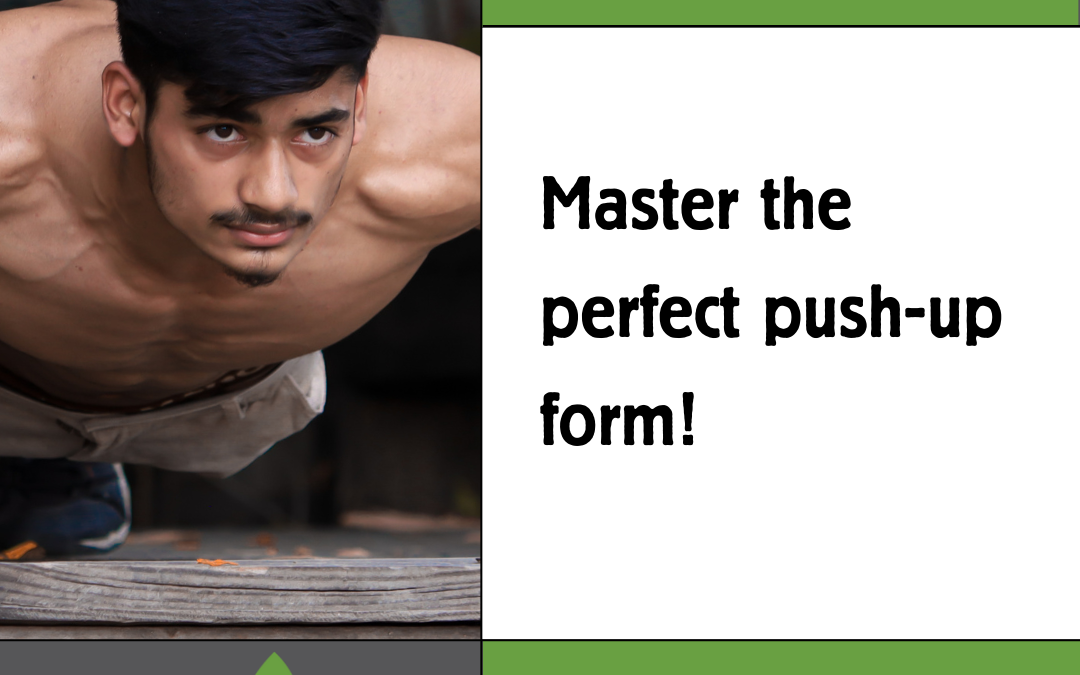
Push-ups are a cornerstone of fitness, celebrated for their simplicity and effectiveness. Whether you’re a seasoned athlete or just beginning your fitness journey, mastering the this exercise can significantly enhance your strength, endurance, and overall health. This guide will walk you through how to perform a proper push-up, address common pain points, and provide modifications to help you continue progressing in your fitness routine.
Introduction: The Benefits of Push-Ups
Push-ups are more than just an upper-body exercise. They engage multiple muscle groups, including the chest, shoulders, triceps, and core, making them a powerhouse move for full-body strength. Incorporating push-ups into your workout routine can improve muscle tone, enhance cardiovascular health, and increase overall functional fitness.
What is a Push-Up?
A push-up is a bodyweight exercise where you lift and lower your body using your arms while maintaining a rigid plank position. This simple movement is incredibly versatile, offering numerous variations to target different muscle groups and accommodate various fitness levels.

Muscles Worked by Push-Ups
- Chest (Pectorals): The primary muscle group engaged.
- Shoulders (Deltoids): Stabilize and assist in the movement.
- Triceps: Crucial for the pushing motion.
- Core: Keeps your body stable and aligned.
- Back (Latissimus Dorsi and Rhomboids): Provide additional support and stability.
Integrating Push-Ups into Your Workout Routine
To maximize the benefits of this exercise, integrate them into your routine with proper progression:
- Warm-Up: Always start with a warm-up to prepare your muscles and joints.
- Frequency: Aim for 3-4 times a week, allowing rest days in between.
- Sets and Reps: Begin with 2-3 sets of 8-12 reps, adjusting as you gain strength.
- Progression: Gradually increase intensity by adding more reps or trying advanced variations.

What is a Proper Push-Up?
Properly Performing a push-up is crucial to maximize benefits and prevent injury. Here’s a step-by-step guide:
- Start in Plank Position: Place your hands slightly wider than shoulder-width apart, shoulders are directly over wrists, and the body forms a straight line from head to heels.
- Engage Core and Glutes: Maintain a neutral spine by engaging your core and glutes.
- Lower Your Body: Bend your elbows at a 45-degree angle, keeping them close to your body. Lower yourself until your chest nearly touches the floor.
- Push Back Up: Press into your palms and extend your elbows, returning to the starting position. Ensure your body remains in a straight line throughout the movement.
Addressing Pain During Push-Ups
Experiencing pain during exercise can be discouraging, but there are modifications you can make to continue reaping the benefits without discomfort. Here’s how to adjust your form based on common pain points:
Wrist Pain
- Modification: Use push-up handles or perform them on your fists to keep your wrists in a neutral position. Alternatively, try incline push-ups with elevated hands on a bench or step.
Back Pain
- Modification: Ensure your core is engaged throughout the movement to prevent sagging hips. If pain persists, try knee or incline push-ups to reduce the load on your lower back.
 Neck Pain
- Modification: Keep your neck aligned with your spine by looking straight down. Avoid letting your head drop or craning your neck upwards.
 Shoulder Pain
- Modification: Adjust your hand placement to avoid excessive strain on your shoulders. Narrow your grip or try wall push-ups to reduce the load on your shoulder joints.
 Foot/Ankle Pain
- Modification: Place a folded mat or towel under your feet for added support. Ensure you evenly distribute your weight across your toes.
Push-Up Modifications for Different Fitness Levels
Regardless of your fitness level, there are push-up variations to challenge and help you progress.
Push-Up Beginner Modifications
- Wall Push-Ups: Stand facing a wall, place your hands on the wall at shoulder height, and perform push-ups.
- Knee Push-Ups: Perform push-ups with your knees on the ground, keeping your body in a straight line from head to knees.
- Incline Push-Ups: Place your hands on an elevated surface like a bench or step.

Push-Up Intermediate Modifications
- Standard Push-Ups: Perform push-ups using the proper form described above.
- Wide Push-Ups: Place your hands wider than shoulder-width apart to target the chest more.
- Diamond Push-Ups: Place your hands close together under your chest, forming a diamond shape with your fingers to target the triceps.

Push-Up Advanced Modifications
- Decline Push-Ups: Place your feet on an elevated surface to increase the difficulty.
- Plyometric Push-Ups: Perform explosive push-ups, lifting your hands off the ground at the top of the movement.
- One-Arm Push-Ups: Perform push-ups with one arm behind your back for an intense challenge.

Conclusion
Push-ups are a versatile and effective exercise that can be tailored to any fitness level. By understanding proper form, addressing pain points, and utilizing appropriate modifications, you can continue to benefit from this foundational movement. Remember, consistency and progression are essential. Whether you’re a beginner or an advanced athlete, there’s always room to grow and improve.
Ready to take your fitness to the next level? Start incorporating these variations into your routine today and experience the transformation. Keep pushing forward and stay committed to your health and fitness journey. If you are uncomfortable trying these ideas out on your own, contact Newleaf Total Wellness Centre and book an appointment with one of our Kinesiologists for guidance and support.
Written by: DeVera Nybo, MBA, Owner, Newleaf Total Wellness Centre

Injury Rehab and Prevention
In the fitness world, few topics have sparked as much debate as the effectiveness and application of stretching. For weekend warriors to elite athletes, the quest for optimal performance and injury prevention has often led to conflicting advice about warm up and cool down routines. Today, we’re dissecting the myths and facts surrounding stretching to empower you with a deeper understanding and a customized approach to enhancing your fitness regimen.
A Closer Look
Stretching, in its many forms, is a foundational element of physical activity. Still, misconceptions abound, leading to widespread debate about its utility and execution. Here’s what you need to know about static and dynamic stretching:

Static Stretching
- Definition: Extending a muscle to its fullest length and holding the position.
- Applications: Best used post-exercise for increasing flexibility and aiding recovery.
- Biomechanical Impact: Improves connective tissue elasticity, potentially reducing injury risk.

Dynamic Stretching
- Definition: Making controlled, active movements that stretch the muscles to their full range of motion
- Benefits: Enhances immediate performance and effectively warms up muscles by mirroring the activity to come.
- Recommendation: Ideal before exercises, a safer method to prep the body for dynamic actions.

Ed Middleton, Physiotherapist
Demystifying Common Myths
Myth 1: The Ultimate Injury Preventive Measure
Contrary to popular belief, the role of stretching in injury prevention is nuanced. While it can be beneficial, its effectiveness depends on the activity, the type of stretches performed, and an individual’s fitness level. Blanket statements about its efficacy overlook the complexity of human biomechanics and the specificity of sports demands.
Myth 2: All Stretching is Equally Beneficial
The reality is that stretching needs to be purposeful. Aimless stretching without a clear goal—improving flexibility, enhancing performance, or facilitating recovery—is unlikely to yield significant benefits. Your unique physical requirements and fitness objectives should inform how, when, and why you stretch.
Myth 3: One-Size-Fits-All in Warm-Ups and Cool-Downs
This notion fails to account for individual variances in physiology and fitness goals. For example, a gymnast may gain from prolonged static stretches to enhance muscle length. At the same time, a sprinter might prioritize dynamic stretches to maintain muscle responsiveness. The key is aligning your stretching routine with your activity profile and personal needs.

The Case for a Customized Approach
Acknowledging the pivotal role of customization underscores the crux of our discussion. A tailored stretching regimen, attuned to your specific physical attributes and aspirations, is the most effective strategy for leveraging stretching’s benefits. This approach encompasses the selection of appropriate stretches and the integration of strength and stability exercises to bolster overall mobility and performance.
Why Professional Guidance Matters
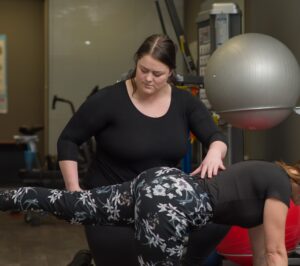
Given the evolving landscape of stretching research, professional insight is invaluable. Specialists like kinesiologists, physiotherapists, and chiropractors can demystify the complexities of stretching, offering tailored recommendations that resonate with your physiological profile and fitness targets.
The Power of Personalization
The stretching debate ultimately reveals a broader truth about fitness: any regimen must be personalized to realize maximum effectiveness. By considering the latest science, acknowledging individual differences, and opting for informed, specialized guidance, athletes and fitness enthusiasts alike can unlock stretching’s true potential—enhancing flexibility, performance, and overall well-being on their terms.
In conclusion, as we unravel the myths surrounding stretching and move towards a more nuanced understanding, the role of informed, personalized strategies becomes clear. Incorporating stretching into your fitness regimen should not follow a cookie-cutter approach but rather a thoughtful, individualized plan that acknowledges your body’s unique needs and the demands of your chosen activities. To get started on a personalized plan, book your initial assessment today.
Written by: DeVera Nybo, MBA, Owner Newleaf Total Wellness Centre.

Women's and Children's Health
Stepping onto the scale can sometimes feel like a rollercoaster ride, unpredictable and unnerving, especially if you’re trying to maintain or manage your weight. However, before you get discouraged by the ups and downs, it’s essential to understand why weight fluctuations happen. This blog post will explore five reasons behind these daily changes and provide insights for health enthusiasts and dieters.

How Dehydration and Water Retention Affect Your Weight
One might think drinking less water could help weight loss; however, the opposite is true. Dehydration can cause the body to hold onto water, leading to water retention. This survival mechanism is the body’s way to ensure adequate hydration. To avoid these fluctuations, drink the recommended amount of water daily – your body (and the scale) will thank you.

The Impact of Sodium Intake on Your Weight
Sodium intake plays a tricky role in our bodies. Sodium is vital for nutrient transport and blood pressure regulation. Yet, too much of it can lead us down the path of water retention and weight gain. Processed foods are often the culprit of high sodium levels, so keeping an eye on salt intake can prevent those surprise numbers on the scale.

Glycogen Storage
Carbohydrates aren’t the enemy—they’re converted into glycogen to fuel our cells. But when we consume more carbs than we need, the body stores the excess as glycogen in our muscles, liver, and fat cells. Each gram of glycogen comes with water, causing weight fluctuations. Balancing your carb intake with your energy needs can stabilize these shifts in weight.

Changes in Body Waste
The amount of food and drink we’ve recently consumed can temporarily influence the scales. We cannot overlook urine and stool when we discuss body weight. After all, the average adult passes about 128 grams of stool per day. A high-fibre diet and regular hydration can keep things moving smoothly, ensuring that the number reflected on the scale isn’t just an undigested lunch.

How Exercise Affects Your Weight
Finally, if you’ve recently taken up a new exercise routine, you might see fluctuations on your scale as your body adjusts. Exercise leads to muscle gain, which weighs more than fat and changes the body’s water composition. This gain is a good thing—a sign of improved fitness and metabolism—so don’t be discouraged if you see increases as you build muscle.
Conclusion
Several factors influence body weight, and it’s common to see daily changes. We can approach weight management with knowledge and patience by understanding these contributors—hydration, dietary choices, energy stores, waste elimination, and muscle development. Remember, the number on the scale is not the sole indicator of your health or fitness progress. It’s the day-to-day choices we make that shape our health and well-being. So, keep moving, stay hydrated, and nourish your body with whole foods – the rest will fall into place.
Additional Tips for Weight Management
- Don’t fixate on daily weight changes; focus on long-term trends.
- Prioritize whole foods and limit processed, high-sodium options.
- Stay hydrated throughout the day to avoid dehydration and water retention.
- Incorporate a mix of cardio and strength training for overall health benefits.
- Consult a healthcare professional for personalized advice and support.
- Find an exercise routine that you enjoy and can stick to long-term.
- Don’t restrict yourself too much – allow for occasional treats in moderation.
- Practice mindful eating, focusing on hunger and fullness cues instead of strict calorie counting.
- Remember that weight is not the only measure of health – focus on how you feel physically and mentally. It’s not just about the number on the scale but overall wellness.
Written by: DeVera Nybo, MBA, Owner, Newleaf Total Wellness Centre

Women's and Children's Health
Fertility can be a complex and deeply personal matter for many women. While the road to conception can be straightforward for some, others may face a labyrinth of challenges. For those seeking alternative pathways to pregnancy, holistic fertility treatments offer hope. They advocate for a gentle and natural approach to this intimate voyage. The quest for motherhood is as old as humanity, yet it remains one of modern society’s most pressing concerns. The ability to conceive, often taken for granted, can be an elusive dream for many women. Amidst this landscape, holistic treatments are becoming beacons of light, pointing toward a more natural and integrative way to nurture fertility. Here, we will explore the potential of holistic interventions and how they might assist those on their conception journeys.
Understanding Holistic Fertility Treatments
Holistic fertility treatments stand apart from conventional methods through their emphasis on treating the whole person. This philosophy looks beyond traditional practices and may be an excellent addition to hormonal injections and IVF. Focusing on natural remedies and lifestyle alterations catering to physical, emotional, and spiritual health empowers women to participate actively in their fertility journey.
Acupuncture and Fertility
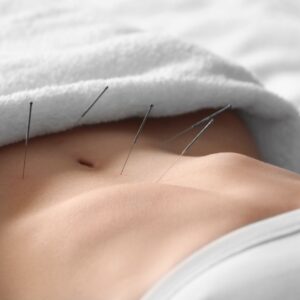
Acupuncture is a time-honoured foundation of traditional Chinese medicine. It has emerged as a celebrated modality in Western healing practices, particularly for its promising role in enhancing fertility. This ancient technique stimulates precise meridians within the body to re-establish equilibrium and promote the natural flow of energy. Scientific studies lend credence to its efficacy. They reveal that acupuncture can increase fertility rates by improving blood flow to reproductive organs, balancing hormone levels, and reducing stress. By integrating this practice, numerous individuals have reported a marked improvement in their reproductive health
This presents an exciting opportunity for individuals seeking to optimize their chances of conception. It also underscores the importance of a holistic approach to reproductive health. As we continue to unravel the mysteries of acupuncture, its place in modern fertility treatments will undoubtedly become more widely recognized. This time-honoured tradition has immense value in enhancing general health, providing optimism and viable options for those facing difficulties with conceiving.

Herbal Medicine’s Role in Conception
Throughout the ages, herbal medicine has been interwoven with our ancestors’ quest for wellness. It offers natural remedies to various conditions, including the delicate process of enhancing fertility. Research has highlighted the encouraging potential of plants like vitex, commonly called chasteberry, for their possible impact on regulating hormones and improving ovulation. Alternative Medicine practitioners believe that red clover, with its phytoestrogenic properties, offers a supportive boost to reproductive health. Furthermore, they celebrate the understated evening primrose oil, rich in omega-6 fatty acids, for promoting cervical mucus quality, thereby facilitating the ideal conditions for conception.
Aligned with empirical wisdom, modern research scrutinizes these claims, striving to quantify their efficacy with scientific rigour. While statistics and conclusive evidence are growing, they require more exploration to endorse these herbs as mainstays in reproductive support.
Amidst this hopeful narrative, a note of caution to consult with all healthcare professionals administering care before integrating herbal remedies into your daily regimen. A Traditional Chinese Medicine practitioner, like Xinling Leng, will understand how herbal remedies interact. Bring your family physician or pharmacist into the loop before committing to herbal medicines to guard against interactions with Western medication. Doing so is a fundamental step that champions safety and personalizes care. Such consultations ensure that potential interactions with present medicines or treatments are carefully considered, honouring your health’s unique tapestry. This partnership between you and your healthcare providers is paramount, underpinning a wellness journey rooted in understanding and respecting ancient remedies and contemporary medical insights.

Diet and Fertility
Our food choices are vitally important for our overall health and reproductive potential. Nourishing your body with a diet abundant in antioxidants, like vitamins E and C found in fruits and vegetables, can protect your cells from damage and support your body’s natural reproductive processes. Lean proteins, such as fish and poultry, offer essential amino acids without the added burden of saturated fats, promoting optimal hormonal balance. Healthy fats, including those from avocados and olive oil, play a crucial role in developing healthy eggs and sperm. Whole grains, rich in fibre, can help regulate blood sugar levels, which are critical for maintaining hormonal equilibrium.
Research suggests that women who follow a diet high in these components experience an increased likelihood of conception. Emerging studies illuminate the profound impact diet can have on fertility. For instance, research published in “The American Journal of Obstetrics and Gynecology” highlights that woman who followed a diet rich in healthy fats, whole grains, and plant-based proteins improved their ovulatory function. Conversely, those who consumed higher levels of trans fats, refined carbohydrates, and animal proteins experienced diminished fertility.
We understand that the path to conception is profoundly personal and sometimes challenging. By providing your body with these vital nutrients and building blocks, you’re taking a proactive step towards creating a welcoming environment for new life and taking control of your health. With a balanced and nourishing diet, you can make positive changes in your reproductive health and support the journey towards growing your family.
Remember that every person’s body is unique, so working with a healthcare professional to find the best dietary plan for your needs and goals is essential. Holistic nutritionists, such as Lindsey Shields, specialize in crafting fertility-boosting dietary plans that consider the singularity of your needs. While the nutritional insights offered here lay a solid groundwork for aspiring parents, a hands-on approach by a professional like Shields, who conducts extensive personal assessments, is indispensable.

Reducing Stress, Boosting Fertility
Stress can significantly affect your health, and this is especially true when it comes to fertility. Studies have found that reducing stress can dramatically increase women’s chances of becoming pregnant, with some research showing as much as a 30% improvement. By bringing calming practices such as meditation and yoga into your life, you can create a more peaceful, balanced state of mind and body that may lead to better fertility outcomes.
However, there are other, perhaps less familiar, ways to manage stress that can also be incredibly effective. Working with a hypnotherapist like Ashlee Bennett might open new doors on your wellness path. This type of therapy can help you discover and change deep patterns of thinking that contribute to your stress, reshaping how your mind works positively. This could be especially helpful for those dealing with anxiety related to infertility.
Similarly, consulting with psychotherapists such as Hedy Anvari allows you to engage in meaningful conversations that provide custom solutions for your mental well-being. Studies show stress and anxiety can reduce fertility. A psychotherapist will guide you through complex emotions and equip you with specialized strategies to overcome stress and anxiety. These experts support you with scientific knowledge and emotional understanding, giving you renewed optimism and strength on your journey toward becoming a parent.

Exercise and Sleep: Unsung Heroes of Reproductive Health
Understanding and nurturing our bodies through regular but gentle exercise and ensuring sufficient, restful sleep is fundamental to our health and deeply connected to fertility. Moderate, low-impact activities such as brisk walking, yoga, or swimming soothe and energize our bodies. But did you know that moderate exercise enhances blood flow, creating a nurturing environment for reproductive health. Studies suggest that women who engage in regular, moderate exercise may experience a 5-20% increase in fertility rates.
Quality sleep, often underestimated, is a pillar of our health, crucially rebooting both body and mind. During these restful hours, our bodies can repair and balance hormones pivotal to conception. Adequate sleep, defined as 7-9 uninterrupted hours per night, has been linked to a balance in the hormones governing ovulation. Getting enough quality sleep enhances the chances of a successful pregnancy.
Both moderate exercise and quality sleep are beneficial habits as they acknowledge and respect our body’s needs. They offer physiological support and a source of empowerment and control in our wellness journeys, reminding us that our daily choices are deeply interconnected with the miracle of conception.
Conclusion
Holistic fertility treatments invite us to rethink the path to pregnancy. They are a testament to the notion that conception is a dance of harmony within our bodies. Women trying to conceive may find solace and success in these natural practices.
We encourage you to open your heart and mind to holistic fertility. Whether it’s acupuncture, a diet tweak, or a new stress-reduction practice, every step toward a natural pregnancy is a stride toward hope.
—
To all the strong women on this path, remember that your story is unique, and so, too, will be your road to motherhood. Keep hope and health at the heart of your quest, and may your pregnancy dreams come to fruition.
Written by DeVera Nybo, MBA, Owner of Newleaf Total Wellness Centre
Healthy Habits & Lifestyle
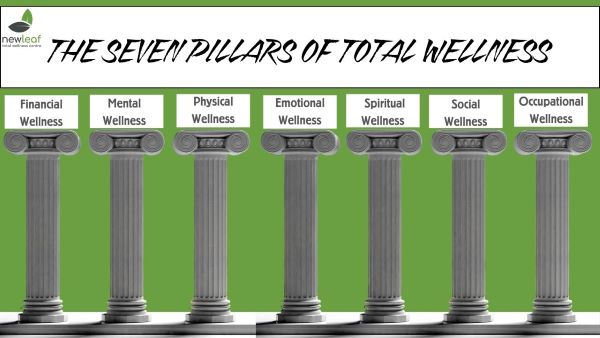
The Seven Pillars of Total Wellness: A Holistic Approach to Your Well-Being
In the bustling rhythm of modern life, we often focus on one aspect of health while neglecting others. Wellness is frequently mentioned in passing as if it’s a state we stumble upon rather than something we can cultivate. Yet, total wellness requires a holistic approach that intertwines various facets of our existence. Today, we explore the Seven Pillars of Total Wellness—a framework that empowers you to attain harmony and vitality in every part of your life.
Understanding and nurturing each pillar is critical to a balanced lifestyle that radiates positivity, productivity, and peace. If you’re committed to thriving, not just surviving, join us in this enlightening exploration toward total wellness. And remember, if you need support in building these pillars in your life, Newleaf Total Wellness Centre is here with a team of over 20 therapists across 13 disciplines, ready to guide you to your personalized version of complete health and satisfaction.

Financial Wellness: The Foundation of Stability 💰
Financial health isn’t about amassing wealth but finding balance in your financial life that brings peace of mind and security. It’s about creating a budget that reflects your values, saving for emergencies, investing wisely, and planning for retirement. A balanced budget allows you the freedom to enjoy life without monetary stress or worry. Financial strain can tremendously impact other aspects of well-being, so being prudent with your resources is vital.
- Budgeting: Start by tracking your spending and setting realistic budgets.
- Saving: Aim to build an emergency fund that covers several months of expenses.
- Investing: Educate yourself on investment options and seek advice when necessary.

Mental Wellness: The Cradle of Creativity 🧠
Elevate your intellectual health by nurturing your mind. Challenges keep your brain sharp, so never shy away from learning new skills, reading broadly, or engaging in thought-provoking conversations. Your mental pillar is vital; it supports your creativity, decision-making, and lifelong pursuit of learning. The intellect’s flexibility forms your resilience against life’s unending changes.
Mental well-being is linked to the overall condition of a person’s mental state, which encompasses logical thought processes, sound judgment, and the ability to handle challenging circumstances. It relates to how we think, learn, and grow intellectually. A positive mindset enhances our clarity, decision-making, and productivity.
- Continuous Learning: Engage in activities that challenge your intellect, such as reading, solving puzzles, taking a course, or learning a new skill.
- Positive Thinking: Practice mindfulness and gratitude to cultivate a positive mindset.
- Seek Professional Help: Mental health issues may lead individuals to act out or engage in risky activities. Medical interventions, including counselling and medication, may be necessary to regain mental health.

Physical Wellness: The Essence of Energy 💪
Physical fitness is the force that fuels your wellness structure. Our bodies are our temples, and how we treat them can significantly impact our overall well-being. Physical wellness is maintaining a healthy body through regular exercise, proper nutrition, and adequate sleep. This pillar is more than achieving peak performance or sculpting an ideal physique. A physically healthy person is more robust, energetic, and equipped to handle life’s challenges.
- Nutrition: Eat a balanced diet rich in whole foods, lean proteins, and fresh produce.
- Exercise: You don’t have to spend hours in the gym. Get outside. Go for a walk. Take the stairs or park further from the entrance.
- Seek Professional Help: Use your workplace health insurance plan to see a physiotherapist, kinesiologist or athletic therapist for a functional movement assessment and exercise prescription to help you meet your goals.

Emotional Wellness: The Heart of Connection ❤️
The emotional wellness pillar asks for self-compassion and deep, meaningful relationships. It involves understanding your feelings, expressing emotions in healthy ways, and developing empathy towards others. Emotional health allows us to cope with life’s stressors, build and maintain relationships, and recover from emotional setbacks.
Emotional well-being involves the capacity to control and balance various emotional states. This includes effectively managing reactions to stress, anger, sorrow, and happiness to maintain healthy relationships. When it comes to emotional wellness, an individual’s actions are often more influenced by their emotional state rather than a definitive mental illness. Struggling to regulate one’s feelings is frequently a telltale symptom of emotional turmoil.
- Relationship-Building: Nurture your emotional connections with open communication and empathy.
- Identify Triggers: Get help to understand, name, and control your emotional triggers. This can help you lead a happier and healthier life.
- Self-Care: Take time to engage in activities that soothe and rejuvenate you emotionally.

Spiritual Wellness: The Search for Meaning 🙏
Spiritual wellness can mean different things to different people. For some, it might be a traditional religious practice; for others, it could mean a personal connection to nature or the arts. This pillar involves finding meaning and purpose in life, which imparts a sense of fulfillment and can help steer one through rough waters. It empowers you to align actions with your innermost values, leading to a life infused with intention.
- Purpose: Volunteer for causes you believe in to connect with your sense of purpose.
- Reflection: Allocate time for meditation, prayer, or quiet contemplation.
- Define Your Values: Understanding your values sends a clear message about who you are, what you believe in, and what you stand for. It’s a compass to guide your decisions and actions.

Social Wellness: The Hub of Harmony 🤝
Humans are social beings, and our relationships can profoundly impact our overall well-being. Social wellness is the pillar that encourages building healthy, nurturing, supportive relationships and fostering genuine connections with those around you. Finding community and a sense of belonging contribute to social wellness. It’s not about the number of friends or followers – it’s the quality of connections that count. The sense of belonging, rather than fitting in, and our contributions to society fortify this crucial component of our well-being.
- Community Engagement: Participate in community events, clubs, or online forums to meet like-minded individuals.
- Support System: Cultivate relationships that provide mutual support and growth.
- Be Yourself: Differentiate between belonging and fitting in. Fitting in forces us to squash parts of ourselves to be like everyone else in the group. Belonging demands we be ourselves with others.

Occupational Wellness: The Pursuit of Career Satisfaction 💼
Lastly, the occupational pillar is about finding gratification and fulfillment in your work. Look for a career that allows you to contribute your unique talents and passions while providing a sense of accomplishment and meaning. This pillar is a testament to the fulfillment of contributing your unique skills to a greater calling.
- Work-Life Balance: Establish clear boundaries between work and personal time.
- Career Growth: Set career goals and seek opportunities for professional development.
- Alignment: Choose work that aligns with your values and skills to give you a sense of balance, pride and accomplishment.
In Summary
Each pillar of total wellness is indispensable, and nurturing all of them leads to a more balanced, joyful, and fulfilling life. From financial security to spiritual depth, every aspect contributes to a healthier, happier you. Balancing these seven pillars will not happen overnight. It requires introspection, commitment, and sometimes change, which can be challenging but also rewarding.
Remember, you do not need to take this wellness journey alone. If you need assistance strengthening any of these pillars, Newleaf Total Wellness Centre is your ally. With our diverse range of therapies and skilled professionals, we can help you achieve your version of total wellness. Please contact us, and together, we’ll make sure to build the pillars that uphold the radiant temple of your well-being.
Your best life is waiting. Step forward, reach out, and seize it with both hands.
Written By: DeVera Nybo, MBA, Owner of Newleaf Total Wellness Centre

Conditions We Treat
Navigating the Chill of a Frozen Shoulder – A Personal Journey to Thawing and Recovery
Frozen shoulder – the term itself may suggest images of arctic calm and stillness. But if you have this condition, you’ll quickly discover the metaphor extends far beyond the peaceful imagery and into a realm of stiffness, discomfort, and an unmistakable freeze on your daily activities.
Living with a frozen shoulder can be an excruciating and disabling experience. This painful condition limits your arm’s range of motion, causing daily activities to become challenging. I understand frozen shoulder intimately, not just as a concept but as a personal battle. If you feel the icy grip of a frozen shoulder, I come bearing warm tidings from my experience. It is possible to melt away the limitations with the right approach.
Understanding Frozen Shoulder
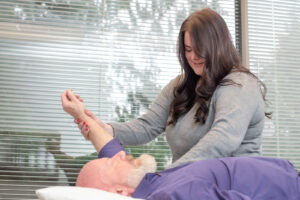
Frozen shoulder (adhesive capsulitis) is a condition marked by pain, stiffness, and limited range of motion in your shoulder. Symptoms usually begin gradually and worsen over time before a slow thaw begins. If left untreated, the natural recovery might take as long as a glacial two or three years.
The Comprehensive View of Frozen Shoulder article published by PMC explains the complexity of this syndrome, pointing to factors such as systemic inflammation and metabolic imbalances that may contribute to its onset. Additionally, immobility following an injury, conditions like diabetes or thyroid disorders, or even chronic stress are all potential causes. However, no one really knows what causes frozen shoulder.
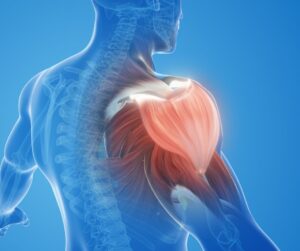
The Stages of Frozen Shoulder
It typically progresses through three distinct stages, each with its symptoms and challenges. Understanding the stages of frozen shoulder can help you better manage your condition and work towards recovery.
Stage 1: Freezing
During this stage, you may notice severe pain and stiffness in your shoulder that gradually worsens over time. During this stage, any shoulder movement can cause discomfort, with the pain often worsening at night. The range of motion in your shoulder will become more limited, making it difficult to perform everyday tasks such as reaching overhead or behind your back. The pain is typically dull or aching at rest but sharp with movement. It’s important for individuals experiencing these symptoms to seek medical advice, as early intervention can help manage the pain and potentially reduce the duration of this stage. This stage can last anywhere from 6 weeks to 9 months and is characterized by inflammation and thickening of the capsule surrounding the shoulder joint.
Stage 2: Frozen
During the frozen stage, the pain may begin to diminish. Still, the shoulder becomes stiffer, leading to a significant decrease in mobility. The reduction in pain is a somewhat deceptive sign of improvement, as the stiffness remains a substantial barrier to regular activity and function. In this phase, the shoulder may be so stiff that everyday tasks, like dressing, become difficult, if not impossible. It’s crucial to continue with therapy during this time as the focus shifts towards improving the range of motion. Patience and persistence are key, as progress can be slow but is vital for recovery. This stage can last from four to twelve months.
Stage 3: Thawing
The final phase of frozen shoulder is known as the thawing stage, where the stiffness gradually decreases and movement improves. During this period, individuals may notice a slow but steady increase in their range of motion. The pain subsides significantly, allowing for more intensive physical therapy and exercise to regain shoulder function. Staying committed to your rehabilitation plan is essential, as consistency is crucial for full recovery. Despite the challenges faced in the earlier stages, most people return to their normal activities and regain close to, if not complete, shoulder function by the end of the thawing stage, which can last from six months to two years.
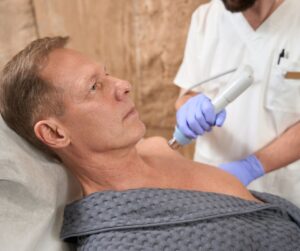
The Healing Ensemble for Frozen Shoulder
My salvation from this frigid condition arose through the collective expertise of a carefully chosen team. I had a physiotherapist, a chiropractor, a Registered Massage Therapist (RMT), and an acupuncturist working together.
Interestingly, the BC Chiropractic Association suggests core stability plays a fundamental role in injury recovery, including for frozen shoulder. Meanwhile, several studies highlight the role of nutrition in managing inflammation and aiding in hormonal balance. So, adding a kinesiologist, athletic therapist, and holistic nutritionist to your team may also be a good idea.
Physiotherapy for Mobility
With their sophisticated grasp of movement and mechanics, physiotherapists play a crucial role in helping patients with frozen shoulder regain function and reduce pain. Through mobility and strengthening exercises, intramuscular stimulation/ dry needling, manual therapy techniques, and education, physiotherapists can support individuals on their journey towards improved mobility and quality of life. They use techniques like myofascial release, gentle dynamic movement, and joint mobilization. Furthermore, physiotherapy for frozen shoulder often includes modalities such as heat therapy, ultrasound, shockwave, or electrical stimulation to help reduce pain and inflammation in the affected area. These modalities can provide temporary relief from symptoms while working alongside other treatments.
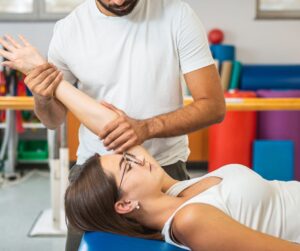
Chiropractic to the Rescue
Chiropractors focus on manipulating the body’s joints to induce healing and improve mobility, all while decreasing pain. Their informed techniques work on restoring joint mobility and treating the surrounding architecture, emphasizing a holistic recovery. These techniques often include mobilization and manipulation of the shoulder joint and the joints in the neck and upper back, which can also become stiff and tight when dealing with a frozen shoulder. Chiropractors use muscle release techniques to help restore proper mobility of the shoulder and surrounding tissue. At the same time, corrective exercises help maintain the range of motion and increase strength and stability within the shoulder. With its focus on improving joint function, reducing inflammation, creating personalized treatment plans, and promoting overall wellness, chiropractic care offers a comprehensive approach to alleviating frozen shoulder symptoms and restoring optimal function in your shoulders.

The Gentle Touch of Massage Therapy
The path to healing benefits significantly from the relaxing yet deep-reaching techniques a registered massage therapist applies. Their trained hands work wonders, encouraging tight muscles to release their grip and become more flexible. In addition to loosening tight muscles and improving circulation, massage therapy can help reduce stress and promote relaxation.
Chronic pain and limited mobility can take a toll on both physical and mental well-being, leading to increased stress levels. Massage therapy provides a safe space for patients to relax, unwind, and release physical and psychological tension. Furthermore, regular massage therapy sessions can help prevent future flare-ups of frozen shoulder by maintaining muscle flexibility and promoting overall joint health.
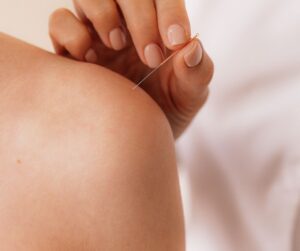
Acupuncture: Ancient Art of Precision
I found this modality indispensable in lessening the throbbing ache. With each targeted insertion, my shoulders experienced minor releases, combining into a cascade of greater movement and relief. Studies show that acupuncture triggers the release of endorphins, which are the body’s natural painkillers. This helps to reduce discomfort associated with frozen shoulder. Additionally, acupuncture can help improve the range of motion in the shoulder joint by promoting relaxation in tight muscles and enhancing blood flow to the area. By targeting key points related to the shoulder joint and surrounding muscles, acupuncture can help reduce pain, increase mobility, and promote healing naturally.
A Resource You Can Count On
At Newleaf Total Wellness Centre, we understand that recovering from frozen shoulder requires a multi-faceted approach. That’s why our team consists of various healthcare professionals who specialize in different areas. With a combination of hands-on therapy from a physiotherapist and RMT and alternative treatments like acupuncture and holistic nutrition, we have it all under one roof.
One of the key benefits of working with Newleaf Total Wellness Centre is the convenience of meeting all your healthcare needs in one place. Instead of running to different clinics for various treatments, you can trust our team to coordinate your care and provide seamless communication between providers. Working with the team at Newleaf will save you time and energy and ensure you receive the best possible care tailored to your needs.
Final Thoughts
Your battle against a frozen shoulder is not one you should fight alone. Armed with patience, the correct information, and an expert team, your recovery need not be an ice age away. Wield these interventions like a torch and blaze a trail toward free movement. Remember, as the stroll toward wellness unfolds, each small victory earned along this expedition is worth celebrating.
Reach out to Newleaf Total Wellness Centre and begin your journey to thaw today.
“Strive for progress, not perfection.” – Every step is progress at Newleaf Total Wellness Centre.
Written By: DeVera Nybo, MBA, Owner/CEO Newleaf Total Wellness Centre
Injury Rehab and Prevention
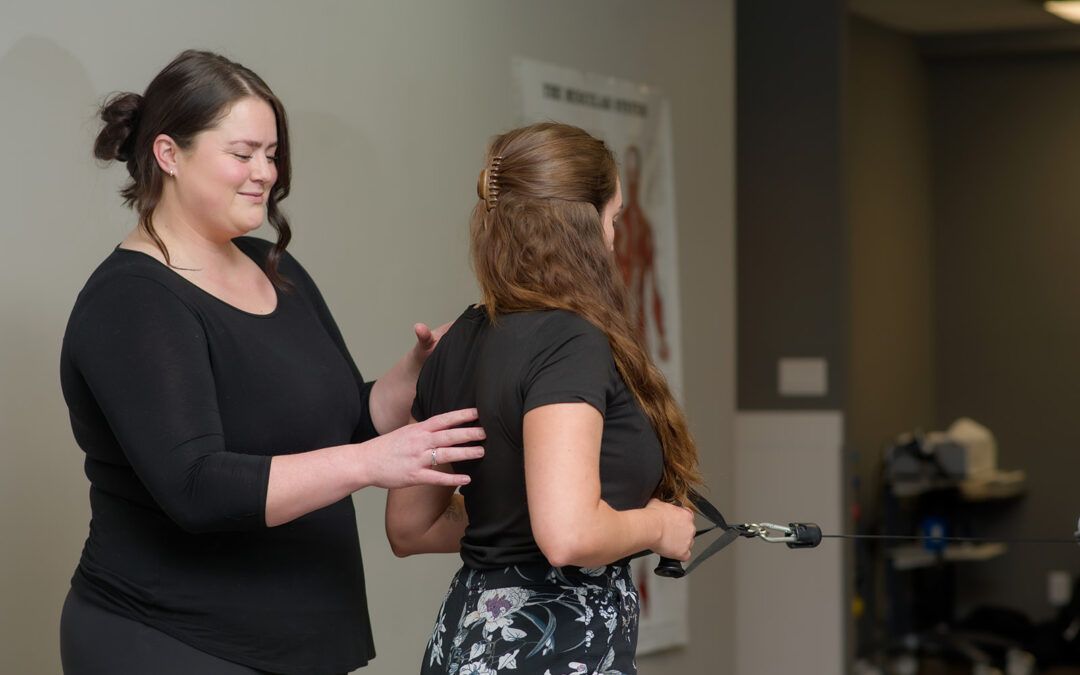
Experience the power of Physio-Directed Active Rehab at Newleaf Total Wellness Centre. Our treatments go beyond the norm, aiming not only for recovery but also for the enhancement of your overall strength and resilience.

At Newleaf Total Wellness Centre, patient care is more than a commitment; it’s our calling. Since 2009, we’ve been a sanctuary for healing and strength. Under new leadership since 2022, Ed and DeVera have kept the founding vision of helping patients become Stronger, Braver, and Better. They have pioneered proactive approaches focusing on patient-centred care through evidence-informed treatment.

Why Physio-Directed Active Rehab Is Vital for You
In a world where high-risk jobs and athletic pursuits push your boundaries, Physio-Directed Active Rehab plays a crucial role in supporting your health and performance. We tailor our program to meet your unique needs and arm you with the tools to prevent injuries and enhance your overall wellness.
Whether you’re an athlete striving for peak performance, a healthcare worker managing occupational hazards, or simply an individual keen on injury prevention, we crafted our active rehab with you in mind. Our dedicated team of Athletic Therapists and Kinesiologists are guided by the expert knowledge of our physiotherapists. They will cater the sessions to your needs, ensuring you receive the care and guidance you deserve.
Tailored to Empower
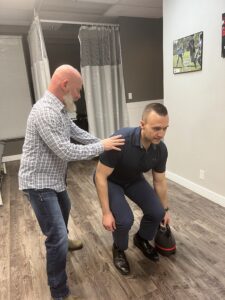
Physio-Directed Active Rehab is led by a skilled Athletic Therapist or Kinesiologist but billed under physiotherapy services. The team tailors exercises to equip you with strength and resilience during the 45-minute one-on-one sessions. Our service addresses the needs of individuals across the spectrum. From health enthusiasts keen on injury prevention to high-risk job employees, like Canada Post workers and healthcare aides we have a plan as unique as you. For workers fortunate enough to have unlimited physiotherapy coverage under their insurance plans, it is like having a personal trainer in a private gym for one-to-one sessions.
The Edge of Excellence
Here’s the Newleaf difference. We are not just a service but an interdisciplinary vision. We stand out as one of the few clinics in the area providing this type of program. Additionally, Physio-Directed Active Rehab is aligns with the CPTBC’s revised standards of practice to ensure exceptional public interest care. It’s an initiative resonating with our goal of helping our patients become Stronger, Braver, and Better.
Commitment to Success
After an initial assessment with one of our experienced physiotherapists, you’ll forge ahead with realistic goals. Ultimately, you will learn and enhance movement patterns for robust endurance and strength. Our promise to you is simple: personalized mentorship toward your best physical condition to keep you healthy and safe at work. Our vision at Newleaf Total Wellness Centre is about providing excellent service and also fostering an environment where patient care transitions into lifelong well-being.

Your Wins, Our Pride
Stories of success reverberate through the walls of Newleaf Total Wellness Centre. From the nurse who found new strength to combat the demanding shifts, to the care aide developing resilience against injury, your triumphs are the testimony of our service’s profound impact.
Take The Leap with Newleaf’s Physio-Directed Active Rehab
With expert advice grounded in years of practice, interdisciplinary vision, and human-focused care, we commit to guiding you on this restorative path. Book your session today to benefit from a personal trainer experience backed by the knowledge and education of our Athletic Therapists and Kinesiologists.
Join us at Newleaf Total Wellness Centre, where healing transcends treatment, and care is crafted with a vision of holistic well-being.
Contact us to schedule your first appointment and leap into the future of fortified well-being.
Disclaimer: You must have had an initial appointment with a Newleaf Physiotherapist before booking your Active Rehab session.
Written By: DeVera Nybo, MBA, CEO/Owner Newleaf Total Wellness Centre
—
Contact Information
- Phone: To schedule your session, call now 604-850-2511
- Email: Questions? Reach out via email [email protected]
- Address: Visit us at our location, A&B 2309 McCallum Road, Abbotsford, BC, nestled within the vibrant lands honoured by the hən̓q̓əmin̓əm̓ speaking peoples—xʷməθkʷəy̓əm (Musqueam), sel̓íl̓witulh (Tsleil-Waututh), and the Sḵwx̱wú7mesh-ulh Sníchim speaking peoples—Sḵwx̱wú7mesh Úxwumixw (Squamish Nation).