
Book Online
Hands And Forearms: Why You Need to Massage Them

Hands And Forearms: Why You Need to Massage Them

In today’s digital age, the relentless clicking, typing, and scrolling can take a toll on our hands and forearms. Whether you’re a dedicated gamer, an office worker glued to your desk, or simply someone who values massage therapy, prioritizing hand and forearm care is essential. Let’s explore why massaging your hands and forearms, especially your mouse hand, can be a game-changer for ergonomic health and gaming comfort.

The Hidden Stress in Your Hands and Forearms

The repetitive motions associated with prolonged computer use or gaming can lead to tension and strain in your hands and forearms. This stress can result in discomfort, reduced mobility, and even issues like carpal tunnel syndrome. While ergonomic keyboards and mice can help, they don’t eliminate the strain entirely.

hand and forearm massage

The Role of Hand and Forearm Massage

Regular hand and forearm massages can alleviate tension, improve circulation, and promote overall ergonomic health. Here’s how:

  • Relieves Muscle Tension: Massaging the hands and forearms helps release tight muscles, reducing pain and stiffness.
  • Enhances Blood Flow: By stimulating circulation, massage delivers oxygen and nutrients to the muscles, aiding recovery and promoting healing.
  • Improves Flexibility: Regular massage therapy increases joint flexibility and hand mobility, which is essential for typing and gaming.
  • Reduces Stress: Beyond physical benefits, massage is known for its relaxing effects, helping to reduce stress and promote mental well-being.

image showing how gamers use their hands and forearms

Benefits for Gamers’ Hands and Forearms

For gamers, hand and forearm massages offer specific advantages:

  • Increased Gaming Comfort: Reducing tension and discomfort enhances your gaming experience, allowing more extended and enjoyable play sessions.
  • Enhanced Performance: Improved circulation and flexibility can improve reaction times and overall performance in fast-paced games.
  • Prevention of Injuries: Regular massage can prevent repetitive strain injuries, keeping you in the game longer without pain.

office worker with bandaged mouse hand and forearm

Office Workers’ Hand and Forearm Health

Office workers, too, can benefit significantly from regular hand and forearm massages:

  • Improved Productivity: Reducing discomfort allows for more focused work, increasing daily productivity.
  • Enhanced Comfort: A massage helps alleviate the aches and pains of prolonged desk work, improving overall comfort.
  • Long-Term Health: Regular massages can help prevent long-term issues, such as carpal tunnel syndrome, by maintaining muscle and joint health.

Massage Enthusiasts’ Perspective

Massage enthusiasts already appreciate the benefits of bodywork, and hands and forearms are no exception. Incorporating these areas into regular massage routines:

  • Completes the Experience: Addressing often-overlooked areas like the hands and forearms can provide a more holistic massage experience.
  • Enhances Relaxation: Adding hand and forearm massage to your routine can further deepen the relaxation and therapeutic benefits.

Integrating Hand and Forearm Massage into Your Routine

Whether you choose a professional massage therapist or learn self-massage techniques, incorporating hand and forearm massages into your routine is simple. Consider setting aside time each week to focus on these areas by booking a session or using tools like massage balls or rollers.

Conclusion

Incorporating hand and forearm massage into your life is a simple yet effective way to enhance ergonomic health and gaming comfort. By making it a regular part of your routine, you can enjoy increased comfort, improved performance, and better overall well-being. Don’t wait until discomfort sets in—take proactive steps to care for your hands and forearms today.

Ready to experience the benefits for yourself? Book a massage session today or explore self-massage techniques to start feeling the difference. Your hands and forearms will thank you!

Written By: DeVera Nybo, MBA, Owner Newleaf Total Wellness Centre

Women’s Health: Five Issues You Need to Understand

Women’s Health: Five Issues You Need to Understand

Women’s health is a complex and diverse field that demands our attention and understanding. At Newleaf Total Wellness Centre, we advocate for proactive and preventative measures to enhance our quality of life. This blog post delves into five crucial health issues that every woman should be well-informed about. We provide insights into risk factors, symptoms, and holistic approaches to prevention and treatment, all of which are essential for maintaining optimal health.

women's health - heart and stroke

1. Heart Disease & Stroke in Women

Understanding the Issue in Terms of Women’s Health

Heart disease and stroke are significant women’s health concerns, often underestimated in comparison to their impact on men. Despite common misconceptions, cardiovascular diseases claim more female lives annually than any other cause. Factors such as hormonal influences, pregnancy-related complications, and lifestyle choices uniquely affect women’s cardiovascular health. It is crucial to recognize symptoms, which can differ from those experienced by men, and prioritize regular check-ups. Increased awareness, education, and proactive healthcare can help mitigate the risks and improve outcomes for women facing these potentially life-threatening conditions.

Risk Factors

  • High blood pressure
  • High cholesterol
  • Smoking
  • Diabetes
  • Obesity
  • Family history

Symptoms

Symptoms of heart disease in women can often be subtler than in men. Common signs include:

  • Chest pain or discomfort
  • Shortness of breath
  • Nausea or vomiting
  • Light-headedness
  • Pain in the neck, jaw, or back

Holistic Approaches to Prevention and Treatment

Physiotherapy: Regular physical activity is crucial. Physiotherapists can design tailored exercise programs to improve cardiovascular health. Physiotherapy plays a vital role in stroke rehabilitation. It helps survivors re-learn skills and adapt to abilities lost due to brain damage.

Massage Therapy: Can reduce stress and lower blood pressure, contributing to heart health. For individuals who have undergone cardiac procedures, massage may aid in their recovery1. The Massage Therapy Foundation (MTF) is funding research to explore this further.

Acupuncture & TCM: These ancient practices help regulate bodily functions and improve cardiovascular health.  Health care professionals need to be aware of TCM’s role in heart disease management to provide safe and effective care to patients who use combination therapies 2.

Naturopathic Doctor: Natural remedies and dietary recommendations may help manage risk factors like high blood pressure and cholesterol. Some natural supplements (e.g., omega-3 fatty acids, CoQ10, garlic) may support heart health. Certain herbs (e.g., hawthorn, garlic, ginger) have potential cardiovascular benefits.

women's health - cancers

2. Breast, Ovarian, and Cervical Cancer

Understanding the Issue in Terms of Women’s Health

Breast, ovarian, and cervical cancers are huge concerns in women’s health globally, each requiring distinct attention and awareness. Breast cancer, the most common among women, affects the breast tissue and can be detected early through regular mammograms and self-examinations. Ovarian cancer, often termed a “silent killer” due to its subtle symptoms, primarily affects the ovaries and is typically diagnosed at a later stage, making awareness of risk factors and genetic predispositions vital. Cervical cancer, largely preventable through the Human Papillomavirus (HPV) vaccination and regular Pap smears, impacts the cervix and highlights the importance of routine gynecological check-ups. Understanding these cancers, their risk factors, early detection methods, and preventive measures is crucial in the fight against women’s cancer and underscores the need for ongoing education and research.

Risk Factors

  • Family history
  • Genetic mutations (e.g., BRCA1/BRCA2)
  • Age
  • Reproductive history
  • Hormone replacement therapy

Symptoms

Symptoms can vary but may include:

  • Lumps in the breast
  • Abnormal bleeding
  • Pelvic pain
  • Changes in menstrual cycles

Holistic Approaches to Prevention and Treatment

Manual Osteopathy: Supports the body’s structural framework, which can help alleviate pain and improve mobility post-surgery or treatment.

Physiotherapy: Assists in recovery and regaining strength post-treatment.

Massage Therapy: Helps reduce stress and manage pain during and after cancer treatment.

Naturopathic Doctor: Provides nutritional guidance and supplements to support the immune system.

Hypnotherapy: Can help manage anxiety and pain associated with cancer treatments.

women's health - osteoporosis

3. Osteoporosis

Understanding the Issue in Terms of Women’s Health

Osteoporosis is another big concern in woman’s health due to the natural decline in estrogen levels that occurs with menopause. This condition, characterized by weakened bones and an increased risk of fractures, affects millions of women worldwide. Understanding the risk factors is crucial for prevention and management. These include age, family history, low body weight, and certain medications. Lifestyle choices also play a vital role; insufficient calcium and vitamin D intake, lack of physical activity, and smoking can contribute to the development of osteoporosis. Early detection through bone density tests and adopting a proactive approach with diet, exercise, and possibly medication can help manage and mitigate the risks associated with this debilitating condition.

Risk Factors

  • Age
  • Family history
  • Low calcium intake
  • Sedentary lifestyle
  • Smoking
  • Excessive alcohol consumption

Symptoms

Often called a “silent disease,” symptoms might not be apparent until a fracture occurs. Indicators include:

  • Bone fractures
  • Loss of height over time
  • Back pain
  • Stooped posture

Holistic Approaches to Prevention and Treatment

Physiotherapy: Focuses on weight-bearing exercises to strengthen bones and improve balance.

Chiropractic: Ensures proper spinal alignment and reduces the risk of falls.

Massage Therapy: Enhances circulation and reduces muscle tension, aiding bone health.

Holistic Nutrition: Offers personalized dietary plans rich in calcium and vitamin D.

Acupuncture & TCM: Promotes bone strength and overall wellness through herbal treatments and acupuncture.

4. Depression & Anxiety in Women

Understanding the Issue in Terms of Women’s Health

Depression and anxiety are significant mental health women’s health concerns as they disproportionately affect women. Research indicates that women are nearly twice as likely as men to experience these conditions, often due to a combination of biological, hormonal, and psychosocial factors. Hormonal fluctuations related to menstruation, pregnancy, and menopause can exacerbate symptoms. Additionally, societal pressures, gender roles, and the increased likelihood of experiencing domestic violence or sexual abuse contribute to higher rates of these disorders among women. Understanding these gender-specific factors is crucial for developing effective treatment strategies and providing appropriate support to those affected. Addressing these issues through education, awareness, and targeted interventions can help mitigate the impact of depression and anxiety on women’s lives.

Risk Factors

  • Hormonal changes
  • Family history
  • Chronic illness
  • Stressful life events

Symptoms

Common symptoms include:

  • Persistent sadness or hopelessness
  • Fatigue
  • Difficulty concentrating
  • Irritability
  • Sleep disturbances

Holistic Approaches to Prevention and Treatment

Psychotherapy: Provides a space for emotional healing and coping strategies.

Hypnotherapy: Assists in accessing the subconscious mind to address underlying issues.

Acupuncture & TCM: Balances the body’s energy and reduces symptoms of depression and anxiety.

Massage Therapy: Alleviates physical tension and promotes relaxation.

Naturopathic Doctor: Offers natural supplements and lifestyle changes to support mental health.

women's health - reproductive visit with female gynecologist

5. Women’s Reproductive Health

Understanding the Issue in Terms of Women’s Health

Reproductive health issues in women encompass a wide range of conditions and challenges that can affect their physical, emotional, and social well-being. These women’s health issues include menstrual disorders, endometriosis, polycystic ovary syndrome (PCOS), infertility, sexually transmitted infections (STIs), and complications related to pregnancy and childbirth. Awareness and education about reproductive health are crucial to enable women to seek timely medical intervention and support. Access to comprehensive healthcare services, including regular screenings, contraceptive options, and prenatal care, plays an essential role in managing and preventing reproductive health issues. By addressing these concerns holistically, we can improve women’s overall health outcomes and empower them to make informed decisions about their bodies and lives.

Risk Factors

  • Hormonal imbalances
  • Age
  • Lifestyle factors
  • Family history

Symptoms

Reproductive health issues can present as:

  • Irregular menstrual cycles
  • Severe menstrual cramps
  • Fertility issues
  • Menopausal symptoms

Holistic Approaches to Prevention and Treatment

Physiotherapy: Helps manage pain associated with menstruation and other reproductive health conditions.

Acupuncture & TCM: Regulates hormones and supports fertility.

Naturopathic Doctor: Provides natural remedies and dietary advice for hormonal balance.

Holistic Nutrition: Focuses on foods and supplements that support reproductive health.

Hypnotherapy: Addresses stress and anxiety related to reproductive health issues.

Recommended Everyday Tips for Women’s Health

  1. Stay Active: Incorporate physical activity into your daily routine.
  1. Balanced Diet: Eat various foods to meet all nutritional needs.
  1. Mental Health: Prioritize your mental well-being through mindfulness and self-care practices.
  1. Regular Check-ups: Keep up with scheduled health screenings and doctor visits.
  1. Hydration: Drink plenty of water to maintain optimal body function.

Conclusion

Understanding these five critical women’s health issues is the first step toward empowerment and proactive healthcare for women. At Newleaf Total Wellness Centre, we provide comprehensive, patient-centered care through a multidisciplinary approach. By combining evidence-informed treatments with holistic methods, we strive to help every woman achieve a stronger, braver, and better version of herself.

For those seeking to take control of their health, we invite you to partner with us on this journey. Contact Newleaf Total Wellness Centre today to learn more about our services and how we can support your well-being. Together, we can pave the way toward a healthier future.

Written By: DeVera Nybo, MBA, Owner, Newleaf Total Wellness Centre

FAQs About Massage: What You Need to Know

FAQs About Massage: What You Need to Know

Massage therapy, a cornerstone of holistic health and wellness, offers a multitude of benefits, from pain relief to stress reduction. If you’re new to this practice, it’s natural to have questions or concerns before your first appointment. This comprehensive FAQ addresses the most common queries, providing you with the information and reassurance you need to feel prepared and at ease.

What Should I Expect at My First Massage?

Your first experience should be both relaxing and customized to your needs. Rest assured, your Registered Massage Therapist (RMT) is a professional who will begin with a brief consultation to discuss your health history, current issues, and goals for the session. This personalized approach helps tailor the treatment to your specific needs. Expect a serene environment with soft lighting and calming music to help you unwind

man undressing for a massage.

What Should I Wear to a Massage? Do I Need to Take All My Clothes Off?

Wear whatever makes you comfortable. Most people undress to their comfort level, whether wearing underwear or fully undressing. Some people remain fully clothed and others wear shorts. Please know that our professional RMTs use draping techniques that ensure your privacy and comfort by only exposing the area they are working on at any given time.

What If I Fall Asleep or Drool?

Falling asleep or drooling during a massage is common and natural. It indicates deep relaxation and effective stress reduction. RMTs understand this and see it as a positive sign that you are benefiting from the session.

What If I Get Aroused?

Involuntary arousal, though rare, can occur due to relaxation and increased blood flow. It’s a natural physiological response. Professional therapists receive ample training to handle such situations discreetly and will continue the massage without drawing attention to it. Your comfort is paramount, so open communication with your therapist can help alleviate any concerns.

prenatal massage

Can I Get a Massage If I Am Pregnant?

Prenatal massage is a specialized form of massage therapy designed for pregnant women. In BC, all RMTs receive specific training in prenatal massage. It can help alleviate common pregnancy-related discomforts such as back pain, swollen ankles, and stress. Be sure to inform your RMT about your pregnancy so they can take appropriate precautions and modify techniques to ensure both your safety and comfort. Getting a massage while pregnant is typically very safe. Even so, it is important to discuss your plans with your doctor prior to booking an appointment.

Do I Tip My RMT?

Tipping practices in the massage industry can vary. While it’s generally appreciated, it’s not expected. Tipping is more common in a spa environment than in a clinic setting. To avoid any uncertainty, it’s best to check with the clinic or your RMT about their specific tipping policies.

What Is the Difference Between a Relaxation Massage and a Therapeutic Massage?

A relaxation massage focuses on reducing stress and promoting general well-being through gentle, flowing strokes designed to relax muscles and improve circulation. RMT students, recent graduates (bodyworkers), and spa professionals often provide these. Most insurance plans do not cover student, bodyworker, or spa massages. On the other hand, a therapeutic massage targets specific areas of tension or pain with deeper pressure and techniques aimed at addressing musculoskeletal issues, improving function, and promoting healing. Registered Massage Therapists deliver therapeutic massages covered by insurance plans.

woman paying cash for a massage

What If I Don’t Have Insurance?

Many people pay out-of-pocket for massage therapy due to its numerous health benefits. Some clinics offer packages or membership programs that make regular massages more affordable. RMT students or recent graduates may also provide excellent massages at lower rates. You might also consider shorter-duration massages scheduled further apart to fit your budget. If you were injured at work or in a car accident, WorkSafe BC or ICBC may help pay for your treatments.

How Do I Talk to My Therapist About Pressure? Sometimes, It Hurts, and Sometimes, it isn’t Enough.

Communication is not just encouraged, it’s vital to a successful experience. Don’t hesitate to speak up if the pressure is too much or too little. Your RMT aims to make you comfortable and provide the most effective treatment possible. They can adjust their techniques and pressure levels based on your feedback. Your comfort and satisfaction are our top priorities. If you have an injury or require deep tissue massage, the treatment may be uncomfortable at times, but it should never hurt. You may be more sensitive to therapeutic touch if you are close to your menstrual cycle or if you’ve recently experienced a traumatic event. It is crucial to openly share information with your RMT so they can adjust their technique and, if necessary, your treatment plan.

Conclusion

Massage therapy can be an incredibly beneficial addition to your health and wellness routine. By addressing these common questions and concerns, we hope to make your first—or next—massage experience as enjoyable and stress-free as possible. At Newleaf Total Wellness Centre, we prioritize patient care and work together as a team to help you achieve your wellness goals. For further questions or to book an appointment, don’t hesitate to contact us.

Chronic Pain: How to Get Stronger, Braver & Better

Chronic Pain: How to Get Stronger, Braver & Better

Chronic pain—a phrase that millions of people across the globe know all too well. Chronic pain is not just a symptom. It’s a constant companion that affects every aspect of life. But what if there were ways to manage and potentially reduce this pain? What if you could address root causes instead of masking pain with medication? This blog post will explore the nature of chronic pain, its causes, and holistic approaches to treatment that go beyond traditional medicine.

chronic pain sufferer getting out of bed. Photo shows pain in low back and neck, man looks upset.

Understanding Chronic Pain

Chronic pain is pain that persists for more than three months, often despite medication or treatment. It can stem from various conditions, including arthritis, back problems, migraines, or countless other health issues. Unlike acute pain—a body’s method of signalling harm—chronic pain can linger long after the injury has healed. Chronic pain hints at the complex interplay between the body and the brain.

The Terrible Triad: Suffering, Sleeplessness, Sadness

Chronic pain often brings along unwelcome companions—suffering, sleeplessness, and sadness, forming a ‘terrible triad‘. This triad creates a vicious cycle where pain worsens sleeplessness and sadness, which in turn can increase the perception of pain. Understanding this interconnection is crucial in managing chronic pain effectively.

The Brain’s Role in Chronic Pain

The brain plays a pivotal role in the perception and variation of pain. It acts as the central processing unit where pain signals are interpreted and experienced. Far from being a simple response to physical injury, pain involves complex exchanges between neural pathways. When an injured part of the body pain sends a pain signal, it travels through the nervous system to the brain. Here, the thalamus, cortex, and limbic system, analyze the signal, and process pain’s emotional and cognitive aspects.

This means that your emotional state, cultural background, and earlier experiences can significantly influence how you feel and manage pain. Furthermore, the brain can lessen the perception of pain by releasing natural painkillers, such as endorphins. The brain plays a critical role in the perception of pain and the body’s ability to suppress it. Understanding the brain’s role in pain perception opens avenues for new pain management strategies. Incorporating strategies that target neural systems, offers hope for chronic pain sufferers.

Seeking Natural Relief for Chronic Pain

For those who have been through the wringer of medical treatments and are wary of the side effects of traditional pain medications, there’s hope in natural therapies. These treatments aim to relieve pain and restore overall well-being.

Physiotherapy

Physiotherapy offers a pathway to improved quality of life through expert-led, personalized treatment plans. This science-backed approach addresses the discomfort and dives into the root causes of chronic pain.  By integrating various techniques, from manual therapy to tailored exercise programs and education on body mechanics, physiotherapy empowers individuals with the tools they need to manage their pain effectively. It’s about more than symptom relief; it’s about fostering a partnership between patient and therapist to build a foundation for a more active and pain-free lifestyle. Through an empathetic and educational lens, physiotherapy helps patients understand their body and take proactive steps towards health.

Kinesiologist teaching active rehab patient how to do an exercise as part of chronic pain management

Chiropractic Care

Chiropractic care is both holistic and non-invasive. At the heart of this practice is a profound understanding of the body’s intricate systems and how they can be harmonized for health. Chiropractic treatments can alleviate pain by improving the functional mobility of the joints and spine, reducing nerve irritation. This method addresses the symptoms and targets the underlying issues, fostering a healing environment within the body. If you need a break from the relentless grip of chronic pain, chiropractic care offers a promise. Chiropractors help patients reclaim control over their well-being, emphasizing the body’s innate ability for self-healing and resilience.

Acupuncture

Acupuncture involves the insertion of ultra-thin needles into specific points on the body. Researchers believe this technique stimulates the nervous system and activates the release of the body’s natural painkillers. For many sufferers of chronic conditions, such as arthritis, back pain, and migraines, acupuncture offers a pathway to relief without the reliance on pharmaceuticals. By engaging the body’s healing mechanisms, acupuncture reduces pain and improves overall well-being. It’s a testament to the power of integrating traditional healing practices with modern medical understanding, empowering individuals to explore alternative, non-invasive options for pain management.

many uses of acupuncture in relieving pain

Manual Osteopathy

Manual Osteopathy is a hands-on approach to healthcare emphasizes the body’s innate ability to heal, focusing on restoring balance and promoting overall wellness. Practitioners engage with the body’s structure and function to alleviate pain and enhance mobility. This method addresses the symptoms and dives deep to find and treat the root causes of pain. By adopting a holistic perspective, osteopathy empowers individuals, offering them a pathway to reclaim their quality of life without relying solely on medication.

Naturopathic Medicine

Naturopathic doctors are playing an increasingly pivotal role in the lives of those suffering from chronic pain, where traditional medicine often reaches its limits. By considering the entire individual—physically, emotionally, and mentally—naturopathy seeks to ease symptoms, identify and treat the root causes of pain. This method differs from the conventional model, focusing on symptom management often through pharmaceuticals, which can sometimes lead to dependency or unwanted side effects. Through personalized treatment plans that may include dietary changes, herbal medicine, physical therapies, and stress reduction techniques, naturopathic doctors empower patients to take charge of their health and well-being.

Massage Therapy

Massage therapy goes beyond mere relaxation, targeting the root of pain to foster healing and provide relief. By improving circulation, massage therapy helps the body’s natural recovery process, nourishing tissues starved of nutrients and oxygen due to prolonged tension and inflammation. Furthermore, it plays a crucial role in releasing endorphins, the body’s natural painkillers. Significantly, it also aids in reducing stress and anxiety, which are often intertwined with chronic pain. Through skilled manipulation of muscles and tissues, massage therapy alleviates discomfort. It empowers individuals to engage more fully in their daily activities, improving their quality of life.

Counselling

Psychotherapy and hypnotherapy can address the emotional and psychological aspects of chronic pain, breaking the cycle of the ‘terrible triad.’ Chronic pain is a complex and multifaceted condition, changing the physical body and the emotional and psychological well-being of those affected. Counselling offers a vital lifeline, providing strategies and support to help individuals cope more effectively with their pain. It goes beyond symptom management, addressing the profound emotional strain that chronic pain can impose. Through counselling, patients learn resilience-building techniques, mindfulness practices, and cognitive-behavioural strategies, empowering them to reclaim their lives from the clutches of pain.

Holistic Nutritionist meeting with a client to discuss foods that may help lessen chronic pain

Nutritional Counselling

For individuals grappling with chronic pain, the search for relief often leads down various paths, from medication to physical therapy. Yet, one avenue that may not be immediately obvious is nutritional counselling. Healthcare professionals are increasingly recognizing that our food can profoundly affect our body’s inflammatory processes and pain response. By working with an expert who understands the complex relationship between diet and chronic pain, sufferers can learn how to make informed dietary choices.

Food is medicine. Certain foods help reduce inflammation, enhance healing, and alleviate some of the discomfort associated with chronic conditions. This method does not stand as a solitary solution but rather complements other treatments, offering a holistic strategy to empower individuals to control their health and well-being. Through education and personalized guidance, nutritional counselling is vital in managing chronic pain, underscoring the significant role that diet plays in our overall physical health.

A Personal Journey of Managing Chronic Pain

Consider the story of a 70-year-old woman who walked into Newleaf Total Wellness Centre, lost and overwhelmed by three decades of chronic pain. After her physician left his practice and closed his clinic, she was suffering from medication withdrawals, and was desperate for a new approach. At Newleaf, she found a team ready to listen and tailor a comprehensive plan to address her pain holistically. Today, she enjoys a clearer mind and a more manageable pain level, proving it’s never too late to seek help and regain control over one’s life.

How Newleaf Can Help Combat Chronic Pain

At Newleaf Total Wellness Centre, we understand that every chronic pain sufferer’s story is unique. Our interdisciplinary approach, founded on patient-centred care, combines various treatments to help our patients become stronger, braver, and better. Whether at the beginning of your pain management journey or seeking alternative therapies, our team guides you toward a higher quality of life. It doesn’t matter where you start. Take the first step, and we will guide the ones that follow.

If you or someone you know is struggling with chronic pain, remember there is hope. Holistic approaches to pain management can offer relief and a pathway to a more vibrant, fulfilling life. Book a consultation to learn more.

Written By: DeVera Nybo, MBA, Owner, Newleaf Total Wellness Centre

Paramedical Services’ Powerful Role In The Current Healthcare Crisis

Paramedical Services’ Powerful Role In The Current Healthcare Crisis

In British Columbia, accessing healthcare has become a growing challenge for many residents. A staggering 59% report difficulties finding a family doctor, and many of these individuals are on waiting lists for a week or more. The average wait at a walk-in clinic has now reached 58 minutes, which is more than double the national average. Patients presenting with increasingly complex conditions, compound this issue, making a multifaceted approach to healthcare necessary. Enter paramedical services.

Amid ongoing healthcare difficulties, preventative medicine and paramedical services stand out as a source of optimism. The impact these services have in lightening the load on the healthcare system is enormous. Adopting preventative care tactics makes it possible to lessen the need for medical treatments.

By preventing diseases before they occur, we can alleviate the strain on our healthcare system and improve the quality of life for countless individuals.

Paramedical Services: Allies in Prevention

Paramedical services are instrumental in the preventative care framework. Services such as physiotherapy, chiropractic care, nutritional counselling, and acupuncture enhance recovery and well-being and often circumvent the need for more extensive medical interventions. Additionally, they embody a holistic view of healthcare, emphasizing the importance of treating the whole individual rather than focusing solely on symptoms. Early engagement with these services can significantly reduce hospital admissions and the demand for emergency departments.

  • Physiotherapy helps prevent musculoskeletal issues and enhances mobility, fostering quicker recovery from injuries or surgeries.
  • Chiropractic Care emphasizes spinal health and pain management, potentially reducing the necessity for pain medication and invasive treatments.
  • Nutrition Counseling provides education on healthy eating habits and managing and preventing chronic conditions like diabetes and heart disease.
  • Psychology and Counseling services play a pivotal role in crisis prevention, stress management, and promoting overall mental health.
  • Massage Therapy and Acupuncture offer pain relief, reduce stress, and contribute to overall health, complementing conventional treatments
  • Naturopathic Doctors can recommend and prescribe essential nutrients like vitamin B12 and folate, which play a crucial role in wellness. Deficiencies in such nutrients can lead to significant health complications, underscoring the importance of a proactive approach to health that prioritizes nutrition, exercise, and stress management.

The Path Forward

Our healthcare system faces unprecedented challenges and clearly requires innovative solutions. Preventative medicine, underscored by the vital contributions of paramedical services, represents a promising avenue toward a sustainable future in healthcare. Collaborative efforts between primary care providers, specialists, and community-based services are crucial in streamlining care, preventing hospital readmissions, and optimizing the utilization of resources.

Educating the public and advocating for integrated healthcare models can shift the reactive to proactive health management paradigm. By emphasizing prevention, early intervention, and collaborative care, we can address the underlying factors driving the healthcare crisis and forge a healthier, more resilient society.

The Newleaf Total Wellness Centre stands at the forefront of this crucial endeavour, embodying the principles of interdisciplinary collaboration and preventative care. Together, we can transform the healthcare landscape in British Columbia and beyond, ensuring a more robust, healthier future for all. Book an appointment to see what a difference our services can make for you.

Written By: DeVera Nybo, MBA, Newleaf Total Wellness Centre

Bursitis: Easy Ways You Can Find Relief Now

Bursitis: Easy Ways You Can Find Relief Now

Bursitis is a condition that doesn’t discriminate. Whether you’re an athlete pushing your body to its limits, part of our wiser elderly population experiencing the trials of age, or simply someone going about their daily life, the risk of encountering bursitis is real. But with an understanding of what bursitis entails, its causes, and the treatments available, we can empower ourselves to prevent or manage this condition effectively.

What is Bursitis?

Bursitis is the inflammation of the bursae, tiny, fluid-filled sacs throughout our bodies. These sacs act as cushions, reducing friction between bones and soft tissues and creating smooth, pain-free movement. When these bursae become inflamed, movement can become painful and challenging, affecting your quality of life.

image of bursitis on the elbow

Finding the Causes of Bursitis

Bursitis can result from various activities and conditions that put excessive pressure on the bursae over time. This includes repetitive motions or positions that irritate or pressure the bursae. Athletes, for instance, often get bursitis in joints that perform frequent repetitive motions, such as the shoulder, elbow, or knee.

Age is another factor, as wear and tear on the bursae increase over the years. Additionally, traumatic injuries can cause immediate bursitis, and certain systemic diseases, such as rheumatoid arthritis or gout, can predispose individuals to inflammation of the bursae.

Cures and Treatments

Fortunately, there are multiple routes to alleviating the discomfort of bursitis. Non-prescription anti-inflammatory drugs (NSAIDs) can reduce pain and swelling. Applying ice to the affected area during the first stages of pain can also help manage inflammation.

acupuncture on shoulder for bursitis

Acupuncture for Bursitis Relief

Acupuncture is a therapy recognized for its analgesic effects. By targeting specific points based on the location of your bursitis—whether in the hip, knee, or shoulder—acupuncture can reduce inflammation and stiffness while promoting the drainage of excess fluids. This method uses the body’s natural pain-relief mechanisms, including the release of endorphins, to provide significant relief.

Traditional Chinese Medicine (TCM)

TCM practices such as acupressure and Chinese herbal therapy may help combat bursitis. Corydalis Analgesic Tablets, aloe vera, herb plasters, and herbal teas with meadowsweet, horsetail, and willow bark are some treatments used to alleviate pain and inflammation. The personalized combination of these therapies can offer holistic relief from the symptoms.

The Power of Hydrotherapy and Homeopathy

Alternating hot and cold compresses—an easy-to-follow hydrotherapy method—can remarkably help bursitis patients. Homeopathic remedies like Ruta graveolens have also shown promise in easing the discomfort associated with the condition.

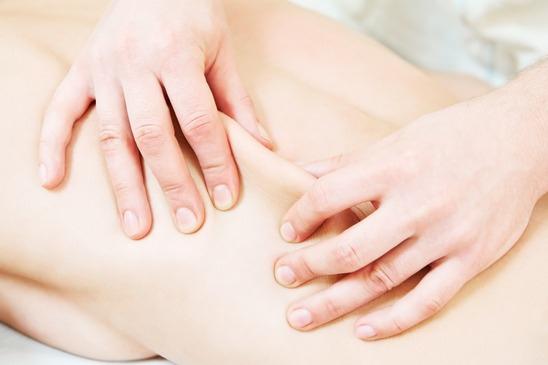
massage on back

Massage Therapy for Bursitis

A skilled therapist provides massage treatments to relieve bursitis’s acute and chronic symptoms, especially in the shoulder. Techniques such as gentle Swedish massage strokes, kneading, and trigger point massage reduce inflammation, improve range of motion, and soothe related stress and anxiety. These methods target the pain and encourage healing by increasing circulation and breaking down scar tissue.

Chiropractic Care

Joint manipulation offered by our chiropractic care specialists can loosen soft tissues, restore flexibility, and relieve pressure on the affected bursa. Chiropractic adjustments can provide considerable relief when combined with physiotherapy treatments like ultrasound and shockwave stimulation.

physiotherapist examining a patient's knee for possible bursitis

Physiotherapy: The Frontline of Bursitis Management

Typically, the first approach to managing bursitis involves physiotherapy. This non-invasive treatment focuses on strengthening the muscles surrounding the affected joint, alleviating pain and preventing future occurrences. Physiotherapy exercises, tailored to individual needs, play a crucial role in recovery, often spanning approximately 4 to 6 weeks. Your physiotherapist may prescribe specific exercises to prevent bursitis from progressing to more severe conditions like frozen shoulder syndrome.

Corticosteroid Injections: A Closer Look

Your doctor may recommend corticosteroid injections if other treatments do not fully resolve your symptoms. Esteemed for their ability to provide rapid relief from pain by reducing inflammation, these injections are particularly effective in treating conditions like trochanteric bursitis, commonly seen in older adults. However, it’s important to note that the benefits of corticosteroid injections tend to be temporary, and excessive use might lead to tissue damage.

The Balance Between Immediate Relief and Long-Term Health

It’s crucial to understand that corticosteroid injections offer quick pain relief but don’t address bursitis’s root cause. This is where the expertise of our interdisciplinary team at Newleaf Total Wellness Centre becomes invaluable. We emphasize a holistic approach, combining immediate relief methods with long-term rehabilitation through physiotherapy. This blend aims to improve joint function, enhance muscle strength, and correct posture and ergonomic issues, paving the way for sustainable healing.

An Individualized, Collaborative Approach

Our treatment plans are highly personalized, recognizing the unique nature of each case of bursitis. We consider a range of factors, including the severity of symptoms, patient preferences, and overall health, ensuring that we address every aspect of your condition. Collaboration is at the heart of our practice; physiotherapists work closely with specialists such as orthopedic doctors, rheumatologists, and pain management experts to ensure comprehensive care.

Understanding Bursitis Prevention

The key to preventing bursitis is minimizing the stress placed upon your joints—a critical consideration for athletes, professionals, or individuals whose daily activities involve repetitive motions. Here are essential strategies to incorporate into your routine to shield your joints from undue strain:

  1. Employ Proper Techniques

Applying the correct techniques is fundamental whether you’re engaging in sports or repetitive work tasks. This might include adjusting your posture or changing your approach to physical activities to distribute pressure more evenly across your joints.

  1. Incorporate Regular Breaks

Taking regular breaks during prolonged activity helps alleviate pressure on the bursae. Short rest intervals can be remarkably effective in preventing the onset of bursitis by giving your joints time to recover from continuous stress.

  1. Strengthen Supporting Muscles

Exercises tailored to bolster muscle groups relevant to your daily activities can support your joints. By strengthening these muscles, you enhance your overall physical health and reduce the burden on your joints, mitigating the risk of developing bursitis.

  1. Maintain a Healthy Weight

Extra weight can exert added pressure on weight-bearing joints, such as the knees and hips, increasing the likelihood of bursitis. Maintaining a healthy weight through balanced nutrition and regular exercise minimizes this risk.

  1. Opt for Anti-inflammatory Nutrition

Inflammation is a core part of bursitis, so making dietary choices that fuel or fend off inflammation is incredibly impactful. Working with a holistic nutritionist to develop meal plans that avoid inflammatory foods while being enjoyable and sustaining can play a pivotal role in preventing bursitis. Tailored nutrition supports joint health and helps your overall wellness.

Conclusion

In wrapping up our comprehensive discussion on bursitis, it’s clear that this condition touches many lives, irrespective of age or lifestyle. However, our knowledge about bursitis—its causes, treatments, and preventive measures—illuminates a path forward that can help manage and even prevent this painful condition.

At Newleaf Total Wellness, we believe in empowering our clients with knowledge and offering a multidisciplinary approach to treatment that addresses the root causes, not just the symptoms. Bursitis, though common, doesn’t have to be a condition that limits your quality of life. Individuals can return to daily activities comfortably and efficiently with the right approach, guidance, and care.

Remember, every step to understanding and caring for your body is a step towards a healthier, more active life. We’re here to support you on that journey, providing the expertise and care needed to move beyond pain and toward optimal well-being. If you are suffering with bursitis, book an appointment at Newleaf today!

Disclaimer

The content on the Newleaf Total Wellness Centre blog, including insights on various holistic health practices, serves purely educational purposes. Before adopting any new health regimen, including treatments or herbal remedies mentioned here, consult with a healthcare professional to ensure it’s suitable for you. Our blog does not substitute for professional medical advice, diagnosis, or treatment. We encourage meaningful discussions with your healthcare provider to secure the best care for your well-being.

Is The Challenge of Sciatica Making Your Life Miserable?

Is The Challenge of Sciatica Making Your Life Miserable?

Sciatica! It sends shivers down your spine quite literally. If you’re wincing from pain that shoots through your lower back down to your legs, you may be one of many grappling with this common culprit of agony. But what exactly is sciatica, and how can you alleviate the pain and prevent it from hijacking your life?

What is Sciatica?

First, it is important to note that sciatica is not a standalone condition or diagnosis. Sciatica describes the symphony of symptoms stemming from the compression or irritation of the sciatic nerve. The cause of this compression or irritation is the underlying reason for your pain and defines the type of treatment you will need to feel better.

The sciatic nerve begins in your lower spine and travels through your buttocks down to your feet. It is the body’s longest and largest nerve, and when it’s injured or irritated, it does not whisper – it roars. The specific characteristics of sciatica include a pain that originates in the back or buttocks and travels down the leg. Sufferers typically report pain on one side of the body which may worsen with sitting, coughing, or sneezing. The pain, often depicted as a sharp or burning sensation, might be accompanied by tingling, pins and needles, numbness, muscle weakness and even incontinence! The symptoms are as diverse as its potential causes, which range from bulging disks to the physical strain of pregnancy.

Woman lifting several boxes incorrectly and experiencing sciatica pain

What Makes Sciatica Worse?

Numerous factors can exacerbate sciatica, including obesity, an inactive lifestyle, smoking, and sleeping on a mattress that is too soft or too firm. Risk factors like age, twisting your back or lifting heavy loads at work, and even diabetes, can intensify your discomfort.

What Can Bring Relief?

Heat and ice therapy, over-the-counter medications, and proper posture are accessible first steps in managing the pain. Additionally, physical activity and maintaining a healthy weight can lead to significant improvements. Embedding core strengthening exercises into your daily routine can also provide relief. Strong core muscles take the pressure off your spine and can reduce the risk of many of the types of injury that cause sciatica.

woman sitting at computer desk with books on her head demonstrating excelling sitting posture.

Treatment Options for Sciatica

For most, the agony can wane without surgical intervention. Conservative treatments include physical therapy and medications, while epidural steroid injections offer a more intermediate solution. You may consider surgery if all else fails or if your quality of life severely declines.

It’s crucial to remember that the path to improvement isn’t one-size-fits-all. Exercise therapy, chiropractic adjustments, yoga, acupuncture, and massage therapy offer a unique way to engage the body’s innate healing processes. These conservative treatments are key players in the management of sciatica, striving to provide both immediate comfort and long-term relief.

physiotherapist working with patient. They are doing side planks to strengthen core muscles and prevent sciatica pain

Your Role in Sciatic Nerve Pain Management

Complications from sciatica, such as ongoing pain or muscle weakness, can indeed cast long shadows over one’s quality of life. Avoiding these dark outcomes means investing time into prevention. Maintaining good posture, staying active, and allowing for recovery when back pain first whispers its warning signs will help minimize sciatic nerve pain.

Engage in regular exercise to activate and engage the core muscles supporting your spine, and practice good posture to relieve pressure on your lower back. If you spend hours sitting, change positions often and, if necessary, take breaks to move around. Adopt a holistic approach to health, with sufficient rest periods to speed recovery when needed.

Avoid tobacco products, ensure you’re lifting objects with correct form to avoid strain, and equip yourself with knowledge. The more informed you are about your condition, the more empowered you are to make decisions that benefit your health.

Conclusion

Navigating the waters of sciatica involves understanding the condition, recognizing risk factors, engaging in preventative efforts, and exploring a spectrum of treatments. Remember, while the pain might be profound and sometimes lead to complications, most people recover within a few weeks.

For persistent or severe pain, especially if accompanied by additional symptoms such as muscle weakness or loss of bowel or bladder control, seeking medical care is imperative. With the right advice and action, you’re on your way to reclaiming comfort and command of your well-being.

Your Health is Your Wealth

Remember, your pursuit of relief is not a solitary expedition. Please, if you are burdened by the weight of sciatic discomfort, reach out to one of our physiotherapists today and book an initial assessment.

Written By: DeVera Nybo, MBA, Owner Newleaf Total Wellness Centre.

Migraines? Why You Need to Incorporate Cranial Sacral Therapy

Migraines? Why You Need to Incorporate Cranial Sacral Therapy

Migraine sufferers know the drill all too well – pounding headache, sensitivity to light, and the overwhelming desire to retreat to a dark, quiet room. But what if there were a gentle, non-invasive therapy poised to complement your pain management routine? Enter Cranial Sacral Therapy (CST) – a subtle yet powerful treatment with promising results for those plagued by this disabling condition.

How Does Cranial Sacral Therapy Work?

Cranial Sacral Therapy (CST) is a holistic healing practice that uses light-touch, non-invasive techniques to support the harmony of your body’s natural rhythms. The logic behind CST is fascinating. The therapy focuses on reducing compression in key body structures, bringing a sense of release that can often seem immediate. Imagine the relief as the built-up stress and pain caused by your migraines begin to melt away under the expert touch of your therapist, like ice surrendering to the warmth of the sun.

Data is key. Though anecdotal testimonies support the effectiveness of CST, scientific studies are contributing to a growing body of evidence on its benefits. For instance, a clinical trial assessing CST for migraine treatment has revealed a remarkable safety profile and strong indications of efficacy, renewing hope for headache-specific quality-of-life improvement without the side effects common to pharmaceutical interventions.

Patient meeting their practitioner

What Happens During a Cranial Sacral Therapy Session?

Our trained professionals engage in gentle manipulations, listening to your body’s subtle rhythms. With each motion, your practitioner works to normalize the flow of cerebrospinal fluid, aiming to enhance your body’s natural healing capabilities. Understanding what occurs during a CST session can help set the stage for a tranquil and potentially transformational experience.

Check-In at Reception

When you book a session for cranial sacral therapy, peace of mind begins the moment you step into our serene environment. Your session starts when you arrive, and calm, professional staff greet you. Here, you can unwind from the outside world and shift your focus inward to your healing experience.

Transition to the Treatment Room

You’ll be led to a treatment room with soft lighting and a serene environment designed to trigger relaxation. This tranquil space will serve as your healing sanctuary, where the bustle of everyday life starts to dissipate. Focused on achieving ‘Stronger, Braver, and Better’ outcomes, our practitioners stand ready to restore balance within your body.

The Treatment Room

You’ll stay fully clothed during the session, so it’s best to wear loose, comfortable clothing. This allows you to lie down on the treatment table without restriction, giving a deeper sense of relaxation.

Typically, you’ll lie on your back on a softly padded treatment table, poised to begin the therapeutic process. The therapist ensures you are comfortable, perhaps providing additional support with pillows or blankets if necessary.

Manual Osteopathy session - cranial sacral therapy

Cranial Sacral Therapy: Gentle ‘Listening’ Through Touch

The heart of a Cranial Sacral Therapy session is when the practitioner lightly places their hands upon you. They may start at your head, neck, or back, ‘listening’ to your body’s rhythms and searching for disruptions in your craniosacral rhythm. This form of palpation and intuition guides the session and is followed by gentle movements to balance the flow of cerebrospinal fluids.

Clients often report sensations of deep relaxation and tranquility during their CST sessions, akin to the calm after a storm. Stress, a known trigger for migraines, dissipates, paving the way for better sleep, improved mood, and enhanced overall well-being.

Duration of the Session

Most CST sessions last around 45 minutes, though the clinic can adjust this duration based on the practitioner’s recommendations and your individual needs.

The Healing Experience of Cranial Sacral Therapy

As the therapist’s gentle touch guides the session, many people report deep relaxation akin to meditative tranquility. Muscle tension loosens, pain decreases, and you may become acutely aware of bodily sensations, ranging from warmth and tingling to a rhythmic pulsing.

The CST protocol honours the body’s thresholds. The practitioner ensures each session is calibrated to individual needs. While side effects are rare, they take the utmost care, particularly with those with contraindications such as bleeding disorders or recent traumatic injuries.

woman weeping

Potential Emotional Release

It’s not unusual to have an emotional response during or after Craniosacral Therapy. You might experience a spectrum of feelings – such as relief, joy, or an unexplained sense of grief – as the treatment releases emotional blockages, allowing for cathartic healing.

The Subtle After-effects of Cranial Sacral Therapy

At the end of your Cranial Sacral Therapy session, you may feel light and balanced, having started a process of healing that resonates at the very core of your being. Sometimes, you may not feel the effects at once. In these cases, the body often subtly and gradually processes the therapeutic intervention. Changes can unfold in the hours or days following a session.

Conclusion

Whether you’re looking to alleviate migraines, reduce stress, or explore the profound layers of holistic therapy, a Craniosacral Therapy session could be a calming and curative experience. Remember, each person’s body responds uniquely to CST, and it may take multiple sessions to feel the full benefits.

The key to CST is openness. Everyone’s experience is individual, and the path of healing is as personal as the rhythm in your craniosacral system.

If you are ready to try this gentle, non-invasive form of bodywork, book a free consultation with Gagandeep Watts and take the first step to physical and emotional harmony through Cranial Sacral Therapy.

Written by: DeVera Nybo, MBA, Owner of Newleaf Total Wellness Centre

FAQs About Massage: What You Need to Know

Top Five Things to Make Your Massage Better

When it comes to receiving a massage, the experience should be therapeutic and rejuvenating. Massage therapy is a harmonious blend of professional care and personal comfort. At Newleaf Total Wellness Centre, your well-being is our priority. There are several things our Registered Massage Therapists (RMTs) wish for you to know to elevate your treatment experience with us.

Arriving Prepared: Small Steps for Punctuality and Consideration

photo of a massage patient holding a public restroom key

1. Use the Restroom Before Your Massage

Take a moment to use the washroom. It’s a small yet significant step in ensuring we can dedicate your entire appointment time to your massage. Don’t hesitate to ask our friendly administrative staff for directions. By addressing biological needs beforehand, we can devote every minute of your appointment to the healing touch of massage therapy.

2. Punctuality is Part of Self-care

Each tick of the clock plays a vital part in the symphony of daily life. We understand that unexpected delays occur, but arriving on time for your massage shows a mutual respect for both your time and ours. We appreciate your promptness, as it directly correlates to the quality and length of your treatment, ensuring we do not miss a single note in the melody of your wellness routine.

massage therapy patient checking her watch

3. Advance Notice for Massage Cancellations

We value your time as much as we do our own. Should the need to cancel arise, we request advanced notice. Our waiting list is overflowing with patients eager to step into a time slot for relief and restoration. Late cancellations or missed appointments may incur fees, but more importantly, they prevent others from receiving the care they need. Your understanding and respect in this regard are of utmost importance.

Communication: The Bridge to Exemplary Care

4. Comfort, Warmth, Ambiance – Massage Therapy Tailored to You

We are here for you to guide you to a state of holistic balance and well-being. We make every effort to craft each element of your visit to your comfort. Whether it’s the softness of the linens, the snug warmth of the room, or the gentle ambiance set by our choice of music – your preferences take center stage. Please communicate with us if anything does not meet your expectations, from temperature to volume. Our practice thrives on personalizing your massage experience.

5. Pressure Points: The Scale of Relief

The depth of pressure applied during your massage should be a therapeutic dance between effectiveness and comfort. We tune in to the symphony of the body’s needs, adapting our touch to reach the crescendo of relief. Yet, every individual is a unique tune. Whether we need to dial the pressure down to a soothing pianissimo or intensify it to a powerful forte, your feedback is the score we follow. You lead, and we listen – this is our partnership on your path to wellness.

massage therapist applying firm pressure

A Personal Note

Every individual is a mosaic of preferences and needs. What may be a serene, cooling environment to one might be less comfortable to another who finds warmth healing. Our mission at Newleaf Total Wellness is to create an atmosphere that meets your comfort ideal. Our RMTs, cannot predict your preferences, but they vow to adapt to them with fluid grace.

Conclusion: Our Commitment to Your Wellness Journey Through Massage Therapy

In sharing these pieces of advice, we reiterate our commitment to your holistic health. We see you not just as patients but as partners in wellness. With open arms, we invite you to settle into our care, voice your preferences and enjoy the transformation our therapies aim to deliver.

We look forward to welcoming you into an oasis of care at Newleaf Total Wellness Centre – where each treatment is more than a service; it is a stepping stone to better health.

Remember, effective communication with your RMT is paramount. Never shy away from sharing how we can enhance your experience. Your comfort, well-being, and satisfaction are at the heart of what we do.

Ready to experience the pinnacle of therapeutic massage? Book your appointment today and feel the difference genuinely personalized care can make in your wellness journey.


Frozen Shoulder – How To Regain Your Life Through Mobility

Frozen Shoulder – How To Regain Your Life Through Mobility

Navigating the Chill of a Frozen Shoulder – A Personal Journey to Thawing and Recovery

Frozen shoulder – the term itself may suggest images of arctic calm and stillness. But if you have this condition, you’ll quickly discover the metaphor extends far beyond the peaceful imagery and into a realm of stiffness, discomfort, and an unmistakable freeze on your daily activities.

Living with a frozen shoulder can be an excruciating and disabling experience. This painful condition limits your arm’s range of motion, causing daily activities to become challenging. I understand frozen shoulder intimately, not just as a concept but as a personal battle. If you feel the icy grip of a frozen shoulder, I come bearing warm tidings from my experience. It is possible to melt away the limitations with the right approach.

Patient's shoulder being assessed by therapist

Understanding Frozen Shoulder

Frozen shoulder (adhesive capsulitis) is a condition marked by pain, stiffness, and limited range of motion in your shoulder. Symptoms usually begin gradually and worsen over time before a slow thaw begins. If left untreated, the natural recovery might take as long as a glacial two or three years.

The Comprehensive View of Frozen Shoulder article published by PMC explains the complexity of this syndrome, pointing to factors such as systemic inflammation and metabolic imbalances that may contribute to its onset. Additionally, immobility following an injury, conditions like diabetes or thyroid disorders, or even chronic stress are all potential causes. However, no one really knows what causes frozen shoulder.

xray type photo showing the shoulder joint, muscle and inflammation associated with frozen shoulder

The Stages of Frozen Shoulder

It typically progresses through three distinct stages, each with its symptoms and challenges. Understanding the stages of frozen shoulder can help you better manage your condition and work towards recovery.

Stage 1: Freezing

During this stage, you may notice severe pain and stiffness in your shoulder that gradually worsens over time. During this stage, any shoulder movement can cause discomfort, with the pain often worsening at night. The range of motion in your shoulder will become more limited, making it difficult to perform everyday tasks such as reaching overhead or behind your back. The pain is typically dull or aching at rest but sharp with movement. It’s important for individuals experiencing these symptoms to seek medical advice, as early intervention can help manage the pain and potentially reduce the duration of this stage. This stage can last anywhere from 6 weeks to 9 months and is characterized by inflammation and thickening of the capsule surrounding the shoulder joint.

Stage 2: Frozen

During the frozen stage, the pain may begin to diminish. Still, the shoulder becomes stiffer, leading to a significant decrease in mobility. The reduction in pain is a somewhat deceptive sign of improvement, as the stiffness remains a substantial barrier to regular activity and function. In this phase, the shoulder may be so stiff that everyday tasks, like dressing, become difficult, if not impossible. It’s crucial to continue with therapy during this time as the focus shifts towards improving the range of motion. Patience and persistence are key, as progress can be slow but is vital for recovery. This stage can last from four to twelve months.

Stage 3: Thawing

The final phase of frozen shoulder is known as the thawing stage, where the stiffness gradually decreases and movement improves. During this period, individuals may notice a slow but steady increase in their range of motion. The pain subsides significantly, allowing for more intensive physical therapy and exercise to regain shoulder function. Staying committed to your rehabilitation plan is essential, as consistency is crucial for full recovery. Despite the challenges faced in the earlier stages, most people return to their normal activities and regain close to, if not complete, shoulder function by the end of the thawing stage, which can last from six months to two years.

Physiotherapist doing a shockwave treatment on a man's frozen shoulder

The Healing Ensemble for Frozen Shoulder

My salvation from this frigid condition arose through the collective expertise of a carefully chosen team. I had a physiotherapist, a chiropractor, a Registered Massage Therapist (RMT), and an acupuncturist working together.

Interestingly, the BC Chiropractic Association suggests core stability plays a fundamental role in injury recovery, including for frozen shoulder. Meanwhile, several studies highlight the role of nutrition in managing inflammation and aiding in hormonal balance. So, adding a kinesiologist, athletic therapist, and holistic nutritionist to your team may also be a good idea.

Physiotherapy for Mobility

With their sophisticated grasp of movement and mechanics, physiotherapists play a crucial role in helping patients with frozen shoulder regain function and reduce pain. Through mobility and strengthening exercises, intramuscular stimulation/ dry needling, manual therapy techniques, and education, physiotherapists can support individuals on their journey towards improved mobility and quality of life. They use techniques like myofascial release, gentle dynamic movement, and joint mobilization. Furthermore, physiotherapy for frozen shoulder often includes modalities such as heat therapy, ultrasound, shockwave, or electrical stimulation to help reduce pain and inflammation in the affected area. These modalities can provide temporary relief from symptoms while working alongside other treatments.

Chiropractor doing treatment on a woman's shoulder

Chiropractic to the Rescue

Chiropractors focus on manipulating the body’s joints to induce healing and improve mobility, all while decreasing pain. Their informed techniques work on restoring joint mobility and treating the surrounding architecture, emphasizing a holistic recovery. These techniques often include mobilization and manipulation of the shoulder joint and the joints in the neck and upper back, which can also become stiff and tight when dealing with a frozen shoulder. Chiropractors use muscle release techniques to help restore proper mobility of the shoulder and surrounding tissue. At the same time, corrective exercises help maintain the range of motion and increase strength and stability within the shoulder. With its focus on improving joint function, reducing inflammation, creating personalized treatment plans, and promoting overall wellness, chiropractic care offers a comprehensive approach to alleviating frozen shoulder symptoms and restoring optimal function in your shoulders.

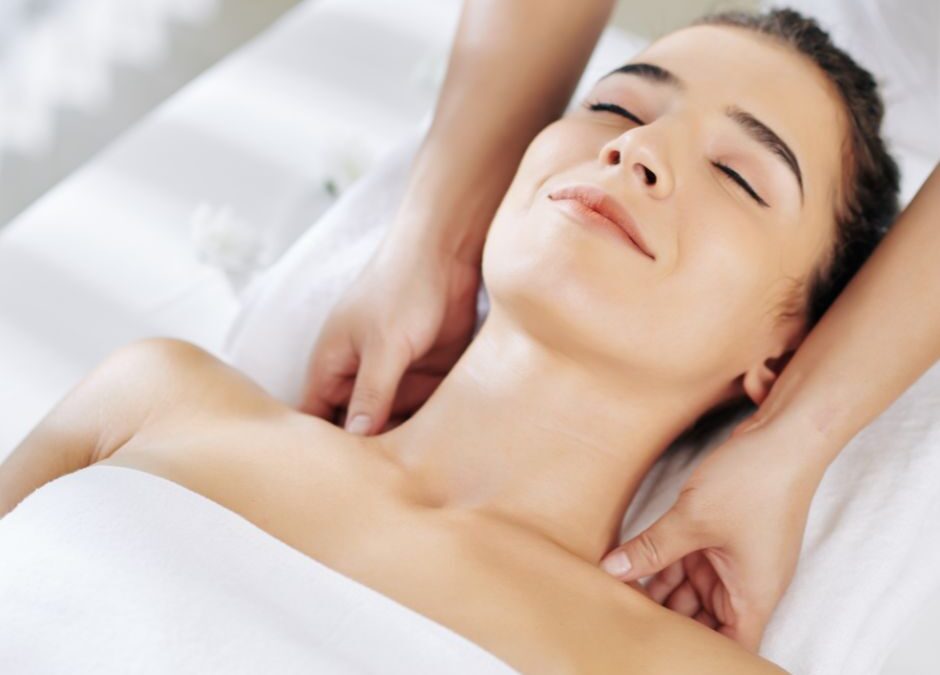
woman receiving a shoulder massage

The Gentle Touch of Massage Therapy

The path to healing benefits significantly from the relaxing yet deep-reaching techniques a registered massage therapist applies. Their trained hands work wonders, encouraging tight muscles to release their grip and become more flexible. In addition to loosening tight muscles and improving circulation, massage therapy can help reduce stress and promote relaxation.

Chronic pain and limited mobility can take a toll on both physical and mental well-being, leading to increased stress levels. Massage therapy provides a safe space for patients to relax, unwind, and release physical and psychological tension. Furthermore, regular massage therapy sessions can help prevent future flare-ups of frozen shoulder by maintaining muscle flexibility and promoting overall joint health.

patient receiving acupuncture on frozen shoulder

Acupuncture: Ancient Art of Precision

I found this modality indispensable in lessening the throbbing ache. With each targeted insertion, my shoulders experienced minor releases, combining into a cascade of greater movement and relief. Studies show that acupuncture triggers the release of endorphins, which are the body’s natural painkillers. This helps to reduce discomfort associated with frozen shoulder. Additionally, acupuncture can help improve the range of motion in the shoulder joint by promoting relaxation in tight muscles and enhancing blood flow to the area. By targeting key points related to the shoulder joint and surrounding muscles, acupuncture can help reduce pain, increase mobility, and promote healing naturally.

A Resource You Can Count On

At Newleaf Total Wellness Centre, we understand that recovering from frozen shoulder requires a multi-faceted approach. That’s why our team consists of various healthcare professionals who specialize in different areas. With a combination of hands-on therapy from a physiotherapist and RMT and alternative treatments like acupuncture and holistic nutrition, we have it all under one roof.

One of the key benefits of working with Newleaf Total Wellness Centre is the convenience of meeting all your healthcare needs in one place. Instead of running to different clinics for various treatments, you can trust our team to coordinate your care and provide seamless communication between providers. Working with the team at Newleaf will save you time and energy and ensure you receive the best possible care tailored to your needs.

Final Thoughts

Your battle against a frozen shoulder is not one you should fight alone. Armed with patience, the correct information, and an expert team, your recovery need not be an ice age away. Wield these interventions like a torch and blaze a trail toward free movement. Remember, as the stroll toward wellness unfolds, each small victory earned along this expedition is worth celebrating.

Reach out to Newleaf Total Wellness Centre and begin your journey to thaw today.

“Strive for progress, not perfection.” – Every step is progress at Newleaf Total Wellness Centre.

Written By: DeVera Nybo, MBA, Owner/CEO Newleaf Total Wellness Centre

Pin It on Pinterest