
Women's and Children's Health
Stepping onto the scale can sometimes feel like a rollercoaster ride, unpredictable and unnerving, especially if you’re trying to maintain or manage your weight. However, before you get discouraged by the ups and downs, it’s essential to understand why weight fluctuations happen. This blog post will explore five reasons behind these daily changes and provide insights for health enthusiasts and dieters.

How Dehydration and Water Retention Affect Your Weight
One might think drinking less water could help weight loss; however, the opposite is true. Dehydration can cause the body to hold onto water, leading to water retention. This survival mechanism is the body’s way to ensure adequate hydration. To avoid these fluctuations, drink the recommended amount of water daily – your body (and the scale) will thank you.

The Impact of Sodium Intake on Your Weight
Sodium intake plays a tricky role in our bodies. Sodium is vital for nutrient transport and blood pressure regulation. Yet, too much of it can lead us down the path of water retention and weight gain. Processed foods are often the culprit of high sodium levels, so keeping an eye on salt intake can prevent those surprise numbers on the scale.

Glycogen Storage
Carbohydrates aren’t the enemy—they’re converted into glycogen to fuel our cells. But when we consume more carbs than we need, the body stores the excess as glycogen in our muscles, liver, and fat cells. Each gram of glycogen comes with water, causing weight fluctuations. Balancing your carb intake with your energy needs can stabilize these shifts in weight.

Changes in Body Waste
The amount of food and drink we’ve recently consumed can temporarily influence the scales. We cannot overlook urine and stool when we discuss body weight. After all, the average adult passes about 128 grams of stool per day. A high-fibre diet and regular hydration can keep things moving smoothly, ensuring that the number reflected on the scale isn’t just an undigested lunch.

How Exercise Affects Your Weight
Finally, if you’ve recently taken up a new exercise routine, you might see fluctuations on your scale as your body adjusts. Exercise leads to muscle gain, which weighs more than fat and changes the body’s water composition. This gain is a good thing—a sign of improved fitness and metabolism—so don’t be discouraged if you see increases as you build muscle.
Conclusion
Several factors influence body weight, and it’s common to see daily changes. We can approach weight management with knowledge and patience by understanding these contributors—hydration, dietary choices, energy stores, waste elimination, and muscle development. Remember, the number on the scale is not the sole indicator of your health or fitness progress. It’s the day-to-day choices we make that shape our health and well-being. So, keep moving, stay hydrated, and nourish your body with whole foods – the rest will fall into place.
Additional Tips for Weight Management
- Don’t fixate on daily weight changes; focus on long-term trends.
- Prioritize whole foods and limit processed, high-sodium options.
- Stay hydrated throughout the day to avoid dehydration and water retention.
- Incorporate a mix of cardio and strength training for overall health benefits.
- Consult a healthcare professional for personalized advice and support.
- Find an exercise routine that you enjoy and can stick to long-term.
- Don’t restrict yourself too much – allow for occasional treats in moderation.
- Practice mindful eating, focusing on hunger and fullness cues instead of strict calorie counting.
- Remember that weight is not the only measure of health – focus on how you feel physically and mentally. It’s not just about the number on the scale but overall wellness.
Written by: DeVera Nybo, MBA, Owner, Newleaf Total Wellness Centre

Healthy Habits & Lifestyle
We’ve repeatedly heard that what we eat is crucial to our well-being. Yet, despite the best advice, the foods that enliven one person’s day can leave someone else feeling sick. It’s a reminder that nutrition is far from a “one-size-fits-all” concept. Our bodies are as unique as our personalities, responding differently to various diets.
Just as the nursery rhyme goes, Jack Sprat could eat no fat while his wife could eat no lean—a dynamic that might sound familiar to many. My partner thrives on a ketogenic diet, rich in healthy fats, moderate proteins, and low in carbs. In contrast, my body prefers a friendlier relationship with carbohydrates and tends to rebel against too much red meat. It’s important to recognize that even without food allergies, certain foods (yes, even “healthy” ones) might not suit our digestive systems, leading to discomforts such as bloating or nausea.
The evidence suggests that some foods, known for causing internal inflammation, can worsen conditions like asthma or arthritis. Reducing or cutting out these foods can help anyone looking to keep a balance in their body’s systems. In contrast, foods that combat inflammation can be universally nurturing.

Inflammation’s Impact on Health and Ability to Heal
‘Inflammation’ often conjures images of a swollen ankle or reddened, healing skin. Yet, it also reflects a more profound, sometimes silent, process within our bodies. Often lurking in the foods we eat, inflammation can be the silent enemy that compromises our health. Understanding the impact of inflammatory foods is critical for those striving toward a healthier lifestyle.
Consuming a diet rich in inflammatory foods can disrupt the natural healing process. Chronic inflammation can weaken immune system responses and delay recovery from injuries. Additionally, scientists have linked inflammation to a variety of diseases, including heart disease, diabetes, and certain types of cancer.
Weight Gain and Obesity
The relationship between diet-induced inflammation and weight gain is complex but critical. Foods that promote inflammation can disrupt the balance of gut bacteria and hormone levels and lead to insulin resistance—all factors that may contribute to weight gain and difficulty in losing weight. Addressing dietary inflammation may be a key strategy in managing and reducing obesity.
The Impact of Inflammation on Mood and Mental Health
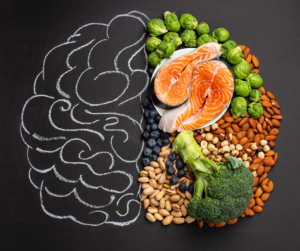
Have you ever felt foggy or fatigued after a meal? The brain is extremely sensitive to dietary influences. People consuming diets high in inflammatory foods have an increased risk of depression and anxiety. Furthermore, there is growing evidence to suggest that consuming anti-inflammatory foods could improve mood and alleviate symptoms of certain mental health conditions.
Autoimmune Disorders
Autoimmune disorders, such as eczema, rheumatoid arthritis, and lupus, are characterized by the immune system mistakenly attacking the body. Inflammatory foods can worsen these conditions, leading to more discomfort and flare-ups. On the other hand, incorporating anti-inflammatory foods into one’s diet may help manage and reduce the severity of symptoms.

What are Some Signs of Internal Inflammation?
Inflammation likes to operate under the radar. Here are some hints that it might be working its mischief within you:
- Persistent Fatigue: Feeling tired is normal after strenuous activity, but ongoing, unexplained fatigue might signal an inflammatory response.
- Gastrointestinal Issues: Frequent bouts of diarrhea, constipation, or bloating can indicate inflammatory conditions of the digestive system, such as Crohn’s disease or ulcerative colitis.
- Excessive Mucus Production: Chronic inflammation can increase mucus production, particularly in respiratory conditions such as asthma and chronic sinusitis. You may also see mucus in your stool and sputum when you cough.
- Skin Problems: Certain skin conditions, such as psoriasis and eczema, have been linked to inflammation within the body. Chronic skin inflammation can also be an indicator of underlying autoimmune disorders.
- Joint Pain and Stiffness: Joint inflammation can cause pain, stiffness, and swelling, particularly in conditions like rheumatoid arthritis. Chronic inflammation often targets the joints, leading to pain, stiffness, or swelling that isn’t caused by a specific injury.
- Skin Problems: Conditions like eczema, psoriasis, and other chronic skin issues can indicate underlying inflammation within the body.

What Foods Cause Inflammation?
The culprits behind dietary-induced inflammation might be sitting quietly in your pantry or fridge. While we’ve outlined broad categories of inflammatory foods, remember that individuals might respond differently.
- Processed and Red Meats: High in saturated fats, processed meats like hot dogs, sausages, and bacon, as well as red meats such as beef, have been associated with increased inflammation markers in the body.
- Refined Carbohydrates: Foods made from refined flour, such as white bread, pastries, and many snack foods, can elevate blood sugar levels rapidly, leading to inflammation.
- Fried and Fast Foods: Not only are these foods typically high in unhealthy fats but frying also introduces advanced glycation end products (AGEs), compounds that can stimulate inflammation.
- Sugar-Sweetened Beverages: Soft drinks, fruit drinks, and other sweetened beverages are high in fructose and other forms of added sugar, contributing to insulin resistance and inflammation.
- Trans Fats: Although increasingly being removed from food products, trans fats found in margarine, fast food, and commercial baked goods can provoke inflammatory responses.
- Artificial Additives: Some artificial colours, flavours, and preservatives in processed foods may trigger inflammatory reactions in some individuals, particularly those with food sensitivities or allergies.
Nourishing Alternatives to Include
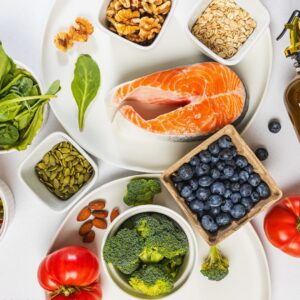
On the flip side, focusing on whole foods that support a balanced and vibrant body is essential. However, the hero in one person’s meal may be the inadvertent villain in another. Understanding your body’s unique reactions to foods, embracing intuitive eating, and prioritizing gut health are not just nods to modern wellness trends but imperatives for anyone looking to combat inflammation’s silent siege. Try eating:
- Leafy Greens: Spinach, kale, and Swiss chard have essential vitamins, minerals, and fibres. They support a healthy digestive system and are low in calories. Salads are your friend if you’re like me, but wilted or steamed greens sit better in the belly if you’re like my partner.
- Healthy Fats: Nuts, seeds, avocados, olive oil, and fish rich in Omega-3 fatty acids, such as salmon and mackerel, have healthy fats, which are essential for hormone production and nutrient absorption.
- Whole Grains: Swap your white bread and regular pasta with whole-grain alternatives. Whole grains are rich in fibre and can help regulate blood sugar levels.
- Fruits and Berries: Fruits are nature’s candy. They’re rich in fibre, antioxidants, and vitamins. Choose fresh or frozen varieties without added sugars.
- Lean Proteins: Incorporating lean proteins, like chicken, turkey, fish, and plant-based proteins, such as lentils and chickpeas, can build muscles and keep you full longer.

Strategies for Avoiding Inflammatory Foods Amidst a Hectic Lifestyle
For busy professionals, parents juggling responsibilities, or students managing coursework and jobs, the key to good nutrition often lies in simplicity and planning. Healthy eating doesn’t have to be a complicated affair.
- Meal Prep: Dedicate a part of your weekend to preparing meals for the week ahead. A couple of hours spent cooking can save you a multitude of time during the week.
- Snack Smart: Keep handy snacks like carrot sticks, almonds, or Greek yogurt within reach for those mid-day hunger pangs.
- Hydrate Healthily: Replace sugary beverages with water infused with fruits or herbs for a refreshing pick-me-up.
Remember
While there are categorical suggestions on what to avoid and what to consume, the most valuable lesson is listening to your body. It’s about finding harmony within and ensuring your dietary choices align with your body’s needs and goals. Integrating the principle of nutritional individuality into our diets means paying close attention to how we feel after meals. Does lentil soup leave you feeling energized or unexpectedly stodgy? Do raw vegetables soothe you or seem to dial up digestive despair? It boils down to inflammation—knowing, understanding, and mastering the subtler tongue of your body’s internal dialogue.
Empower yourself with the knowledge, respect your body’s responses, and commit to your overall health by making informed decisions about your food. It’s a path worth taking for your well-being. Let food be your medicine, not just calories to count.
# Bonus Tip:
Don’t be afraid to experiment with new foods and dietary habits. Our bodies constantly evolve, and what might have worked for us in the past may no longer suit our current needs. Be open-minded and curious about food, and don’t hesitate to adjust your diet as needed. Working with a Holistic Nutritionist can get you started with meal plans that suit your taste, lifestyle and dietary needs.
Disclaimer
The content on the Newleaf Total Wellness Centre blog, including insights on various holistic health practices, serves purely educational purposes. Before adopting any new health regimen, including treatments or herbal remedies mentioned here, consult with a healthcare professional to ensure it’s suitable for you. Our blog does not substitute for professional medical advice, diagnosis, or treatment. We encourage meaningful discussions with your healthcare provider to secure the best care for your well-being.
Written By: DeVera Nybo, MBA, Owner, Newleaf Total Wellness Centre.

Healthy Habits & Lifestyle
In an age where health conscientiousness is a lifestyle, supplements have become as ubiquitous as gym memberships and protein shakes. But as our shelves sag under the weight of these promising bottles and packets, it’s crucial to discern the science from the marketing, ensuring that what we ingest aligns with our wellness objectives. This blog post will guide health enthusiasts, fitness fans, and wellness seekers through the complex world of natural aides and remedies.

What Are Supplements?
At their most basic, supplements are products intended to augment the diet. They can include vitamins, minerals, herbs, amino acids, enzymes, and other nutrients. They come in various forms, including tablets, capsules, powders, and liquids.
The general idea is that they can enhance your health. However, it’s important to remember that they are not intended to replace whole foods or a balanced diet but to work alongside them.
The Natural Fallacy
A common misperception about supplements is the belief that ‘natural’ necessarily equals ‘safe.’ Just because a supplement is natural does not mean it lacks side effects or risks. In many cases, ‘natural’ supplements can interact with prescription medications, may not be advisable for specific health conditions, or could even contain contaminants.
Echinacea, widely thought to prevent or treat colds, may interact with medications that affect the liver. Similarly, St. John’s Wort, while natural, can interfere with antidepressants and birth control pills. Always research and understand all the side effects and interactions a supplement might have. If in doubt, consult a Naturopathic Doctor and follow their advice strictly.

Quality Matters: Not All Supplements Are Created Equal
The supplement industry is vast and varied, and not all products adhere to the same quality standards. Some supplements may have filler ingredients, and others could have a higher or lower potency than labelled. Look for certifications or third-party testing from organizations like NSF International to ensure product quality and potency.
Seek Professional Guidance
Before adding any supplement to your regimen, consulting a regulated health professional such as a Naturopathic Doctor is imperative. They possess comprehensive knowledge about supplements, including their benefits, risks, and potential interactions with other medications.
With the explosion of supplement use, many people turn to the internet or gym acquaintances for advice. While well-meaning, such sources may lack the depth of knowledge necessary to provide safe recommendations. Professional advice is not just a formality—it’s a crucial step in safeguarding your health.

Supplements Are Not Silver Bullets
It’s vital to recognize that supplements are not a cure-all. They are not meant to replace the fundamental components of a healthy lifestyle: nutritious meals, regular physical activity, adequate sleep, and stress management. Supplements should enhance, not substitute for, these pillars of health.
Investing in quality whole foods, learning to prepare balanced meals, and maintaining a stable exercise routine are foundational. Supplements can fill nutritional gaps or assist with specific deficiencies, but one should not lean on them as crutches that allow neglect of diet or exercise.
Conclusion
Supplements might play a role in your health strategy, whether you’re looking to optimize your physical performance, enhance your well-being, or address specific health goals. Nonetheless, it’s crucial to approach them with a discerning eye, armed with information and professional guidance.
Remember that the pursuit of health is a holistic endeavour. When supplements find their appropriate place within a balanced lifestyle, they can be beneficial allies on your wellness journey. Always prioritize the natural abundance of nutrients available through a diverse diet and use supplements wisely to augment your path to health.

Remember:
- Verify the safety and quality of any supplement you consider taking.
- Consult with a healthcare provider before starting any new supplement, especially if taking other medications.
- Do not rely on supplements to replace a nutritious diet and active lifestyle.
Stay informed, stay healthy, and stay dedicated to your wellness goals. If you have questions about interactions, consider booking an appointment with a Naturopath. If you want to know more about how supplements can help you achieve your nutrition goals, consider booking a consultation with a Holistic Nutritionist.
Written By: DeVera Nybo, MBA, Owner Newleaf Total Wellness Centre